When the Silverlake Independent JCC (SIJCC) opens its new Jewish Learning Center on Sept. 22, it hopes to enroll a new kind of student along with the target crowd of grade-school children: their parents.
The center, which will offer twice-monthly classes to kids in grades K-4, is encouraging parents to take part in adult study and discussion groups while their children learn. Parents are also invited to join kids for the last half-hour of class once a month so the family can share the act of learning together.
“Parents can participate as much as they want,” said Ruth Shavit, director of the SIJCC. “We are still inventing the center as we go along. We want it to be something very organic — something that works for the people in the program and meets their needs.”
The SIJCC’s Jewish Learning Center is the newest in a spate of alternative religious school programs cropping up around Los Angeles. Some are created in response to families’ busy schedules, so parents don’t have to drive long distances to class every week. Many also discard typical classroom conventions to embrace changing views on how to give kids a lasting Jewish education.
The traditional religious school model, designed to resemble a public school environment, is not structured in a way that helps students relate to what they’re learning, said Isa Aron, professor of Jewish education at Hebrew Union College-Jewish Institute of Religion (HUC-JIR) Los Angeles. In 1992, Aron founded the Rhea Hirsch School of Education’s Experiment in Congregational Education (ECE), which has worked with more than 70 synagogues nationwide to create experimental religious school programs.
When kids are taught from a textbook and come home to families that don’t practice what they learn in class, they have little means to incorporate the culture into their lives, Aron said. That’s why she believes programs that encourage parental involvement foster a more powerful learning experience.
“If the parents are more involved, they’re sending a message to their kids that this is important,” Aron said. “When parents learn with the kids, it changes the whole dynamic — kids are more likely to take it seriously.”
Shavit hopes opening the classroom to parents will result in more families taking home what they learn, so lessons don’t end when children walk out the door. Field trips will also be an important part of the Jewish Learning Center program, she said. Since the first class falls on the second day of Rosh Hashanah, for example, there will be a tashlich outing to Echo Park.
Shavit said she wants the center — which is non-denominational and not affiliated with synagogue services — to appeal to families who don’t belong to a congregation but still want their children to grow up Jewish.
“There are many Jews in Los Angeles who are looking for alternative Jewish learning,” she said. “We want to reach the non-synagogue-affiliated Jews — people who want to remain Jewish, but who are not necessarily synagogue-goers.”
There has been an explosion in the number of non-traditional religious schools in recent years that target the needs of a variety of audiences, Aron said. “This idea is now reaching a tipping point where people are talking about it across the country and starting all different types of new models,” she said.
Along with parental involvement, the ECE stresses the importance of other key factors in the creation of a successful program: an emphasis on community-building, creating “memorable moments” for students and drawing a connection between Jewish learning and living.
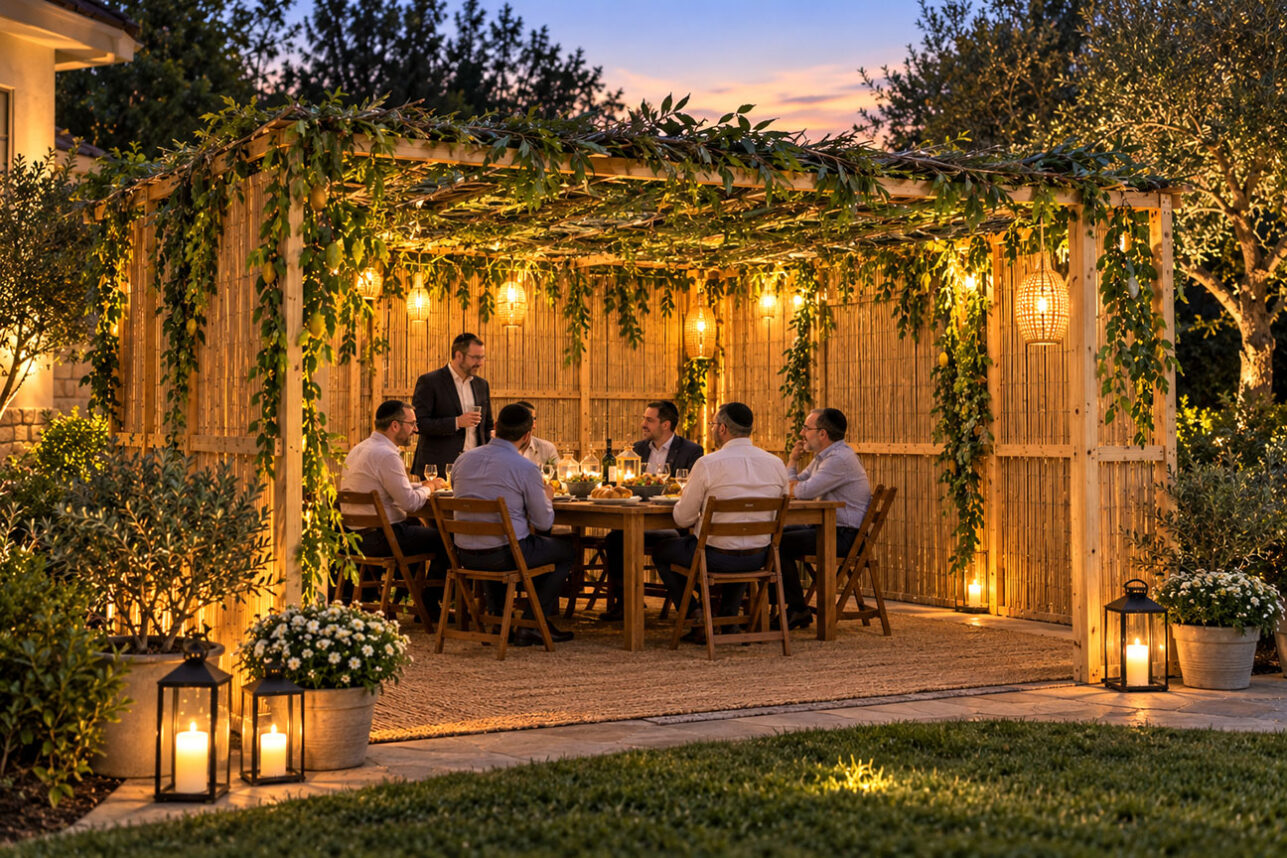
One local model that hones in on the last concept is the JEWELS religious school program of Valley Outreach Synagogue (VOS). JEWELS (Jewish Education: Wisdom, Ethics and Hebrew Literacy) is a non-denominational, home-based, weekly learning program for VOS members in which small groups of students gather with a teacher in a private home to learn about Jewish history and life.
Now beginning its second year, JEWELS was developed as a home-based model for several reasons, program director Julie Giuffrida said. VOS lacks a permanent building — it meets for Friday night Shabbat services once a month at the Hilton Woodland Hills — and organizers didn’t want parents to have to travel to a central location for class every week. Also, Giuffrida said, they wanted to strip the religious school experience of the sense of “rigid formality” that they believe drives students away from Jewish learning.
“Our goal is to put kids in an environment where they can have a positive Jewish learning experience,” said Giuffrida, who worked with VOS’ Cantor Ron Li-Paz to develop the program. “Many people are intimidated by a building, by walls. For kids in particular, they’ve been in school all day, and then, because they’re Jewish, they have to sit still for another type of school on top of that. That can be an unpleasant experience — we don’t want kids to feel like they’re being punished because they’re Jewish.”
Kids meet for weekly two-hour sessions in groups of five to eight, with teachers hired from outside the congregation. In their own kitchens or dining rooms, students study Torah, Hebrew, learn about the holidays and play games to make Jewish learning more fun and accessible.
The model shows kids that being Jewish is “not something you have to go to a building to do,” Giuffrida said, but rather an identity they keep with them everywhere.
“So much of what we do, as Jews, is done at home — our Shabbat dinners, our Passover seders. That’s where we live our Jewish culture and values,” she said. “Bringing the Jewish classroom into the home helps kids put down their barriers to learning. They’re more open and more likely to make connections and to absorb the learning.”
Last year, the program had 24 kids enrolled. Families are still registering for this school year, but Giuffrida is expecting the number to at least triple. The program, which costs $1,250 for the year, is open to kids in first grade through bar mitzvah age and encourages students to help lead “kids club” Shabbat services while their parents attend VOS’ monthly Friday night service.
Alternative religious school programs are now offered at synagogues around Southern California. The ECE is currently working with eight congregations in the L.A. area to develop new programs, including Temple Judea, Temple Isaiah and Leo Baeck Temple.
“Religious schools have a lot of potential that hasn’t been actualized,” Aron said. “By breaking out of the structure and thinking about more creative, experiential ways of doing it, that is harnessing the potential that religious schools have to affect kids.”
Shavit hopes the effects of the SIJCC’s new Jewish Learning Center will be long-lasting.
Through “hands-on learning” incorporating arts and crafts, holiday celebrations and field trips, she wants to inspire in children a desire to “explore their Jewish world.” The program, which costs $650 for the year, has already attracted about 15 families.
“We want our kids to have the knowledge they need, when they leave the program, to continue Jewish life,” she said.
Related Links:
” title=”Valley Outreach Synagogue”>Valley Outreach Synagogue