Jewish Big Brothers Big Sisters of Los Angeles (JBBBSLA) matches boys and girls ages 6 and up with mentors to support them and help them realize their potential.
According to JBBBS, the children/mentees, who are called “littles,” develop increased confidence and self-esteem as their lives are changed by the support and encouragement of their mentors, known as the “bigs”. The bigs also often find the experience rewarding and enriching.
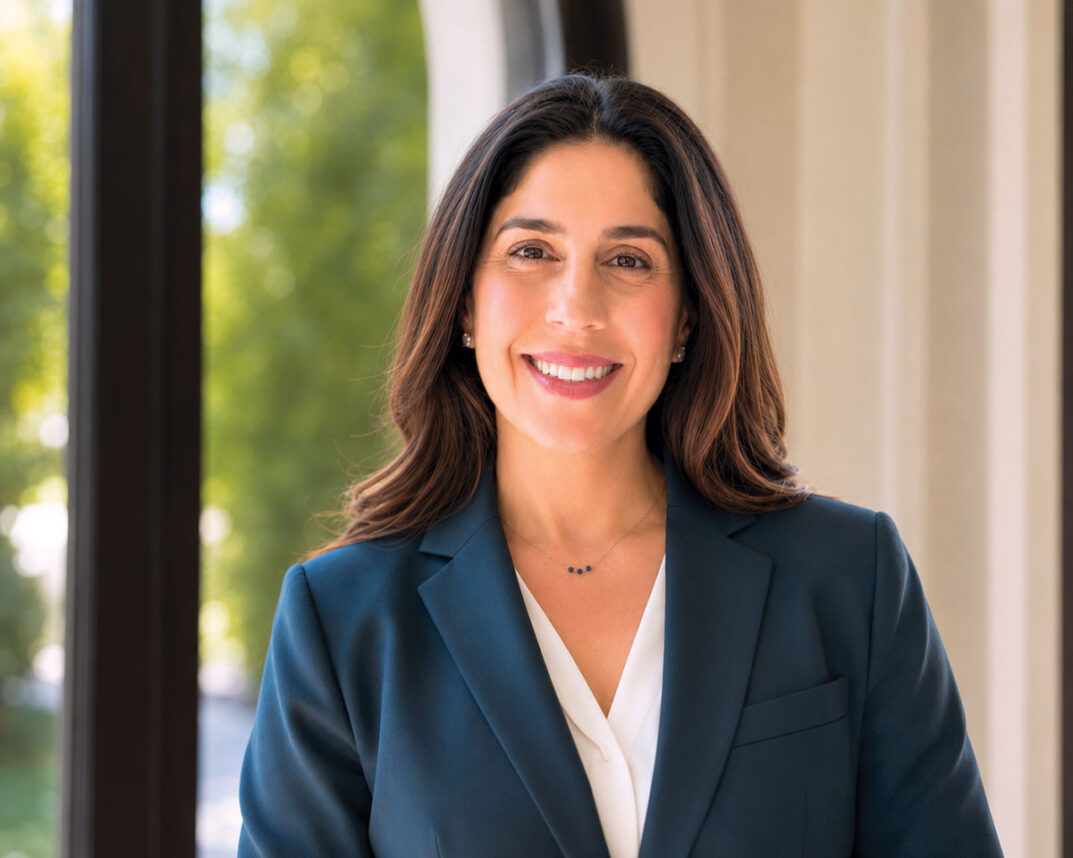
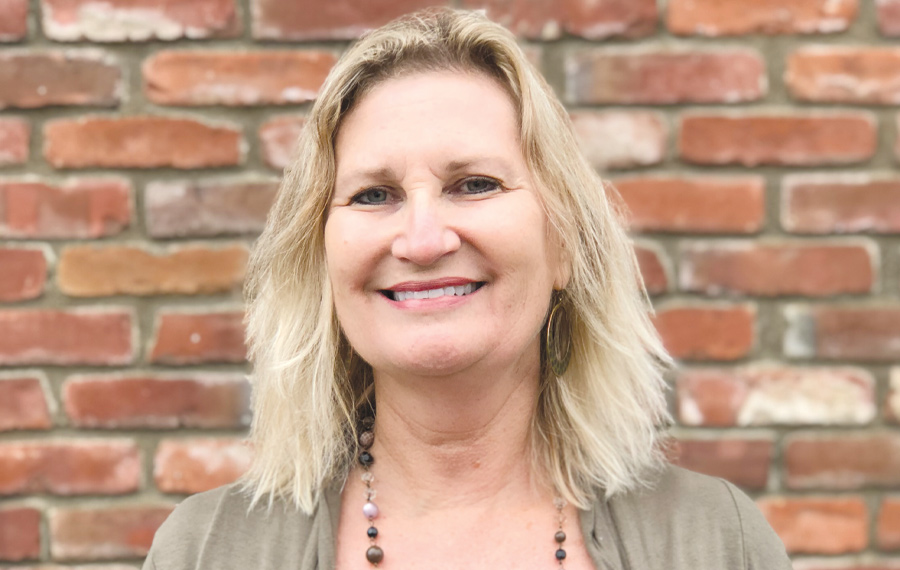
Megan Koehler is the vice president of mentoring services at JBBBSLA. A licensed clinical social worker, Koehler said, “I’ve always been in program development and oversight, and I love it. My clinical background and training is helpful in keeping a clinical eye over the program. Many of the kids have a variety of needs and it’s important to have the capacity for assessment along the way, to make sure matches are a good fit, and also for understanding when we need to look for other interventions.”
Jewish Journal: How do you ensure a “good fit”?
Megan Koehler: We have match support specialists whose role is to do whatever is needed to make sure we are supporting healthy, safe and productive matches that are positive for the child and rewarding for the volunteer. We also make referrals as needed for other services.
JJ: What kind of person makes a good volunteer?
MK: Anyone Jewish and over 21 can apply. You have to like kids, but you don’t need experience with them. We look for people who are flexible, open-minded, caring and dependable. Also nonjudgmental and nurturing.
JJ: JBBBSLA has been around for over 100 years. To what do you attribute its longevity?
MK: I believe that the Jewish community in Los Angeles is so strong and the spirit of service is one that really sustains a community that cares about children. By having Jewish mentors for Jewish kids, we provide continuity of Judaism in their lives. We support Jewish identity and reinforce Jewish culture and traditions.
JJ: Do the mentors and mentees have to be religious?
MK: No. We have a range, from people who identify culturally as Jewish to the most observant and Orthodox. We embrace and support every denomination of Judaism. In terms of matches, I find it interesting that for some mentees it’s important to be matched with a mentor with a similar background, but for others, it only matters on a logistical level. When you have some crossover, you find that there’s education, appreciation and learning that takes place. There’s an expansion of acceptance that happens.
JJ: What do you take into consideration when making a match?
MK: There are pragmatic issues such as geographic proximity. We usually, but not always, match the same gender. There’s also compatibility of personality and interests. We look for mentors who will respond well to the child’s needs and challenges and who are prepared to support them if there are difficulties in their life. There are many factors involved, including strong assessment and keen skills in terms of understanding the balance that goes into a match. There’s nothing arbitrary about the matches.
JJ: Why do you think there’s a need specifically for a Jewish BBBS?
MK: I think there are Jewish kids around the country who are fine with mentors from any background. But others are strengthened by having their Jewish identity reinforced and having a role model who may not only strengthen the Jewish cultural part but help them understand it. There are Jewish single-parent households, usually headed by women who want their sons to have a Jewish mentor. They might feel that they can’t teach their son the way a father would. When it comes to the importance of Judaism to Jewish families, that can be a factor that’s missing.
JJL Aside from mentoring, what are some of the ways JBBBS fosters Jewish culture?
MK: We have match and family events throughout the year, such as our annual seder and Hanukkah parties. Last year, we partnered with Moishe House and held a fun match event for Tu B’Shevat. We did a Mitzvah Day in partnership with USC Hillel’s Jewish Alumni Association. We also have extensive teen programming, including partnerships with the LA Jewish Teen Initiative, focused on teen wellness and leadership and using Jewish role models. And we own and operate a 112-acre camp in Glendale where we have a summer camp, year-round retreats and social justice programs steeped in Jewish values.
JJ: What’s the most challenging part of your work?
MK: Any time you service youth, they have more needs than you can meet. There’s always more that can be done. It’s hard having the knowledge of what additional needs could be met and the reality that there’s a limit as to what any organization can do. We’re always striving to achieve that balance, and we do it well because we’re very intentional and always keep an eye on it.
JJ: And the most rewarding?
MK: I know our mentors tell us that they get more out of [the program] than their “littles.” We learn so much from kids. Getting outside of ourselves and connecting with young people whose needs are greater than ours — those relationships are an amazing gift. And personally, I feel so fortunate. I couldn’t have a more rewarding career.
Allison Futterman is a writer based in North Carolina.