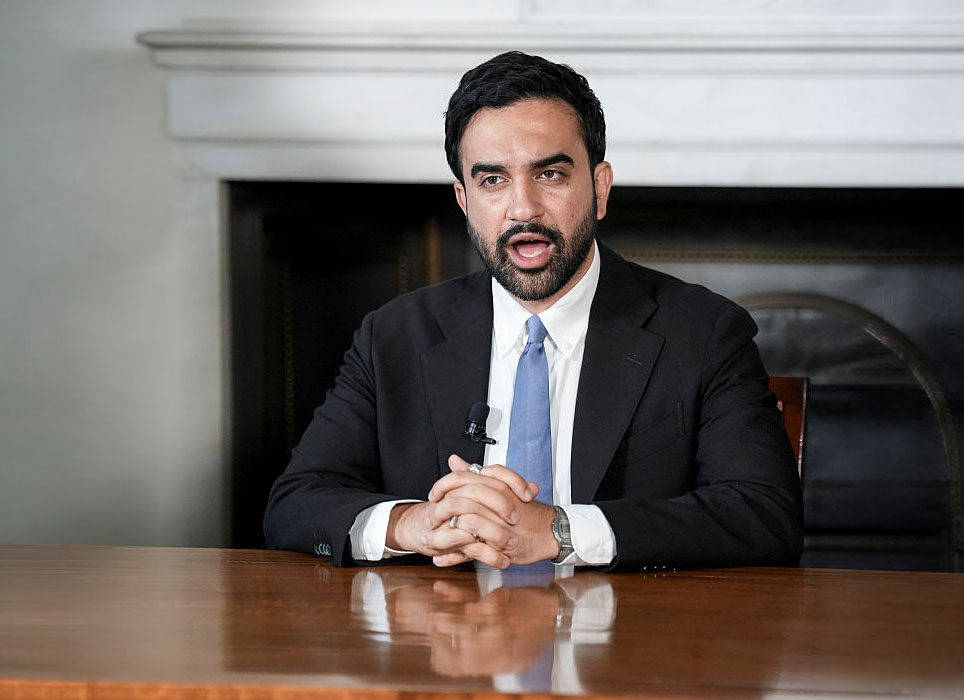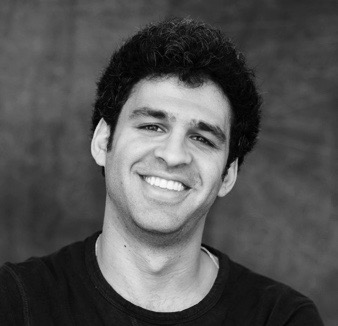
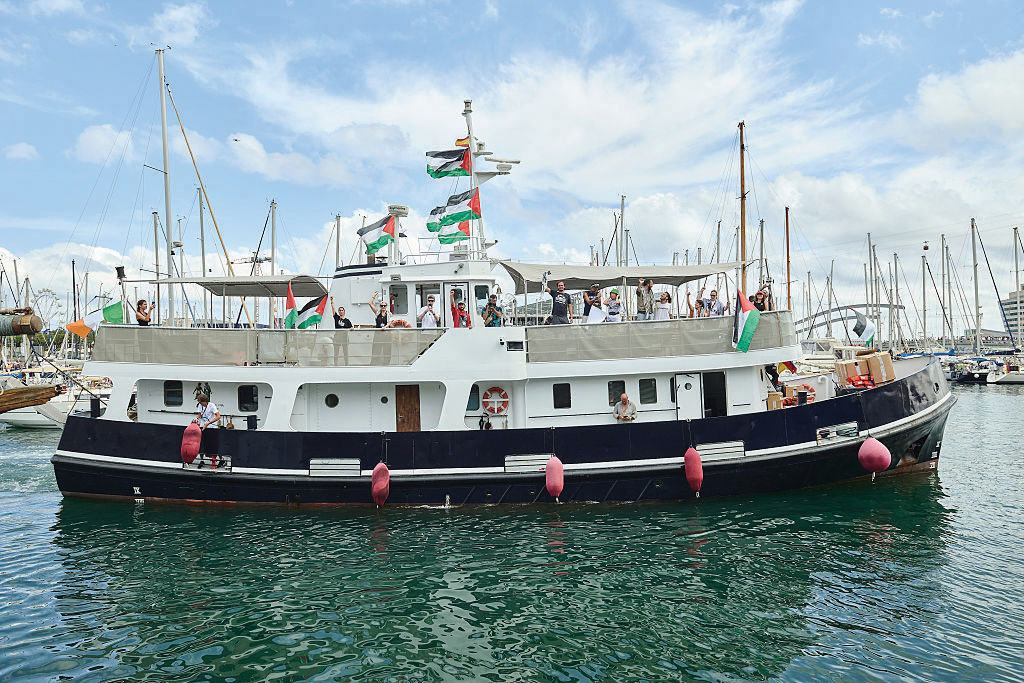
David Adler spent one month at sea and a weekend in Israeli detention as a participant in the Gaza-bound flotilla intercepted earlier this month by Israel.
Adler, 33, is a self-described “second-generation [San Fernando] Valley boy” and one of the “few Jews on this mission,” he said, referring to the recent Global Sumud Flotilla, a civilian-led maritime initiative of some 42 vessels carrying 500 participants that attempted to break Israel’s blockade of the Gaza Strip over the past several months but each time was stopped by Israel’s naval forces.
After the news broke in early October of Adler’s brief detainment by Israel — and after it was revealed in a Los Angeles Times story that Adler was a local Jewish boy — The Journal reached out to him. Talking from New York, Adler said the flotilla’s participants were “ordinary citizens”— doctors, nurses and journalists, among them — “all united by a common moral conviction.”
Having grown up in the Southern California Jewish community, where he attended Hebrew school and Jewish summer camp, he saw his time on the flotilla as representing “Jews of conscience,” being a delegate of a large segment of the Jewish community troubled by Israel’s actions during its two-year war with Gaza whose voices are largely drowned out by the more vocal pro-Israel contingent of the Jewish community.
Adler was interviewed approximately two days after the first set of the remaining Israeli hostages were released by Hamas. He was asked about media reports that there wasn’t any aid on the Gaza-bound ships in the flotilla, despite the flotilla’s participants claims that they were on a humanitarian mission, reinforcing the view that the flotilla, whose participants included Swedish climate activist Greta Thurnberg, was little more than a publicity stunt. He said that while the ships were modest-sized and therefore not carrying a significant amount of aid, he himself loaded items such as lentils and baby formula onto the ships and could attest to there being supplies intended for the Gazans onboard the ships.
Asked for his reaction to the news of the hostages being freed and to the ceasefire, he described feeling “jubilation and joy to see steps toward a more lasting peace,” albeit one he called a “fragile peace.”
Asked for his reaction to the news of the hostages being freed and to the ceasefire, he described feeling “jubilation and joy to see steps toward a more lasting peace,” albeit one he called a “fragile peace.”
Discussing his detainment, he spoke of mistreatment by Israeli authorities — though Israel has denied reports that detainees were abused, calling such claims “brazen lies” — and likened the Israeli site where he was held, Ketziot prison, to an “internment camp.”
Adler’s mission began with three days spent in Barcelona doing nonviolence training before departing from Tunisia. After his ship was intercepted and following his detainment, Adler was deported to Jordan. He did not receive any assistance from the U.S. or Israel with returning home, he said. He was left to figure out a way back on his own.
The 42 vessels in the Global Sumud Flotilla — “Sumud” is Arabic for “steadfastness” — embarked for Gaza from countries including Italy, Greece and Tunisia. The first ships began setting sail for Gaza in late August. By Oct. 3, Israel had intercepted all of the ships in the flotilla.
Adler posted about his journey on the flotilla on X. In a post that was republished by progressive magazine The Nation, he wrote about how his grandfather fought against the Nazis as part of the Parisian resistance and how he saw his activism on behalf of Gazans as an extension of that legacy.
Adler graduated from Brown University and is the co-founder of the group Progressive International. He splits his time, he said, between Mexico City and Paris.
Asked about his plans going forward, he said he wants to build awareness for causes close to his heart. That includes emphasizing “the link between Palestine and what’s happening in California,” in reference to the detentions here by the U.S. Immigration and Customs Enforcement.
Adler’s Encino-based parents did not reply to The Journal’s requests. Earlier this month, they spoke to The Los Angeles Times, saying that while they attempted to dissuade their son from participating in the flotilla, they ultimately were proud of him.
“The anxiety level has been very high, absolutely,” Adler’s father, Paul, added.