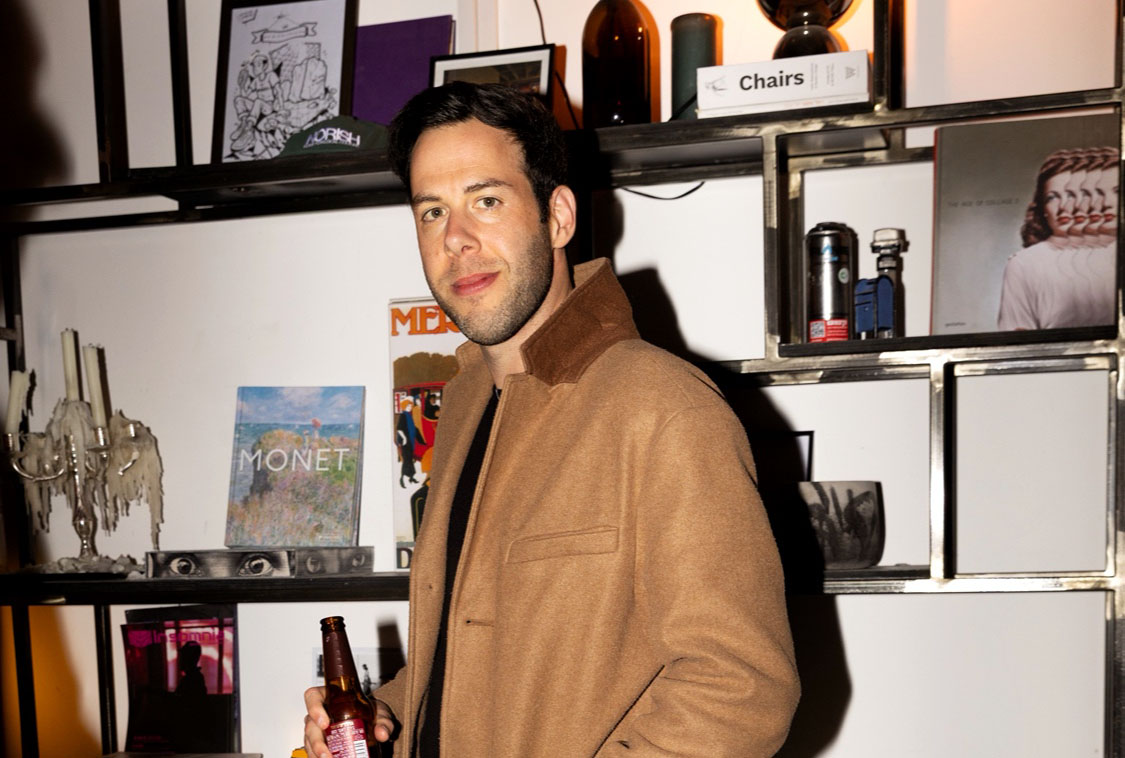
Alon Davidi, mayor of Israeli city Sderot, recently appeared at several events in Los Angeles.
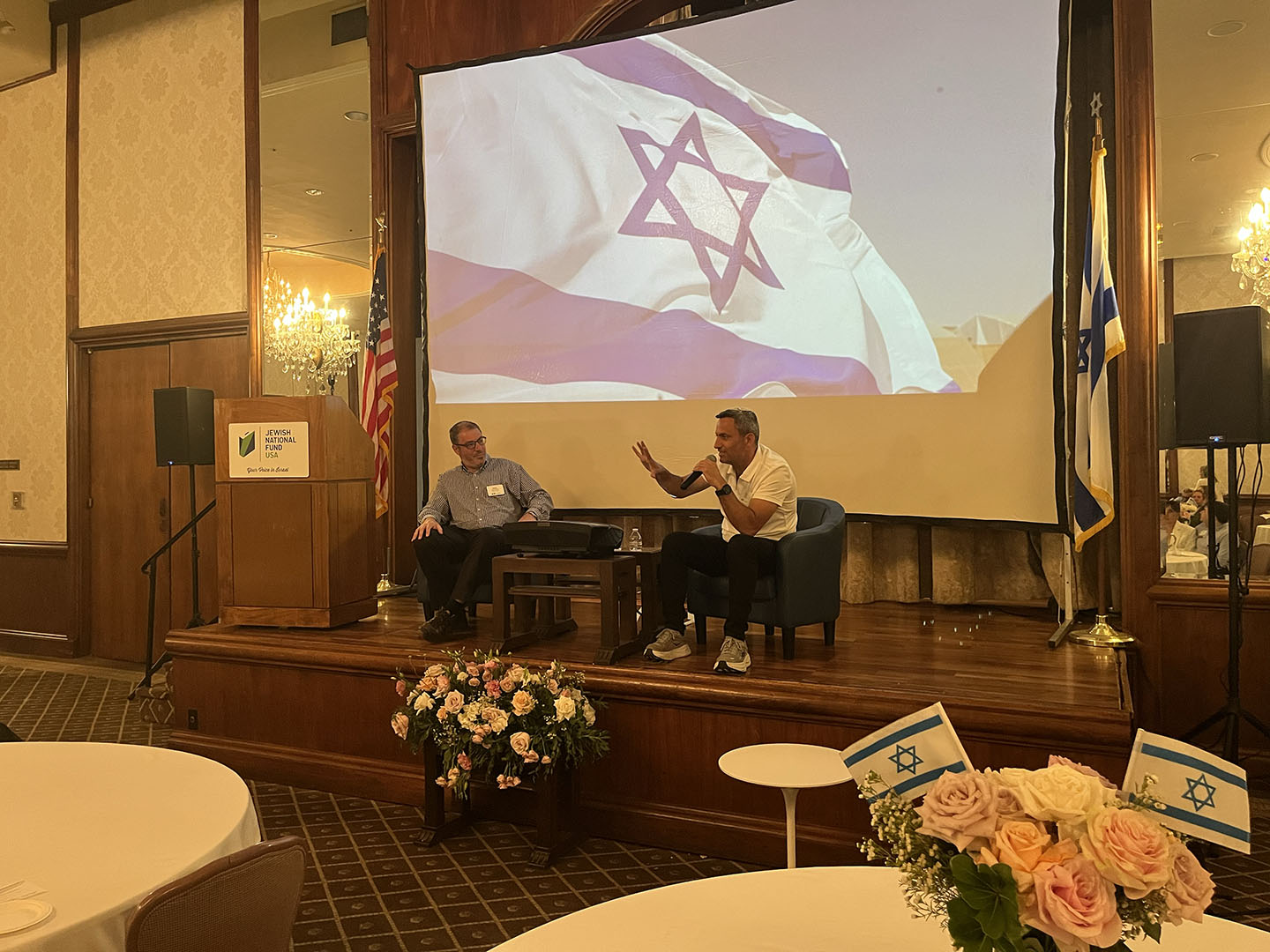
On June 9, Davidi, 51, participated in “From the Frontlines of October 7,” a discussion held at Sephardic Temple that was organized by Jewish National Fund-USA (JNF-USA). He appeared in conversation with Dorel Abramovitz, director of development for The Sderot Foundation.
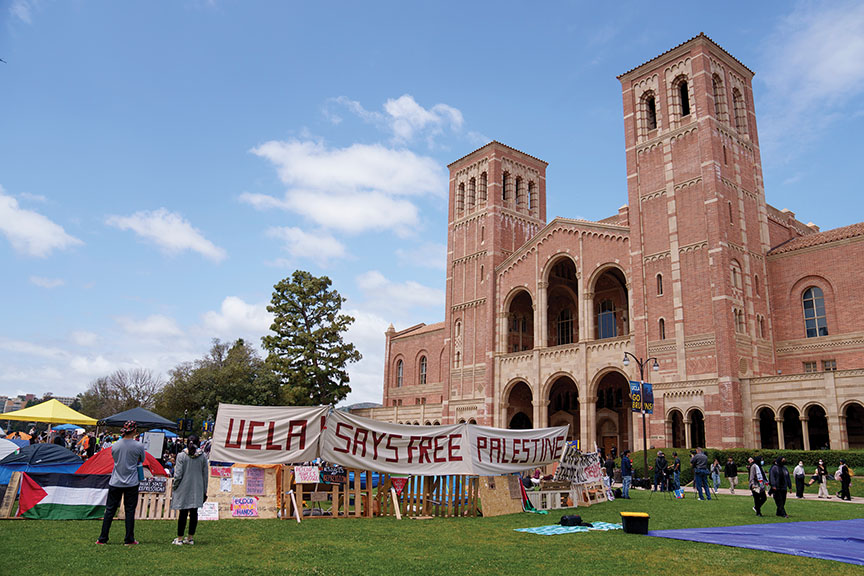
“For us, the seventh of October was a very dark day,” Davidi said, addressing a crowd of approximately 150 at the Westwood synagogue. “In the end, if you want a good future for the area, for Gaza and for the State of Israel—there’s a slogan that says, ‘Free Palestine,’ but I think we need to free Gaza, and to free Gaza is to destroy Hamas.”
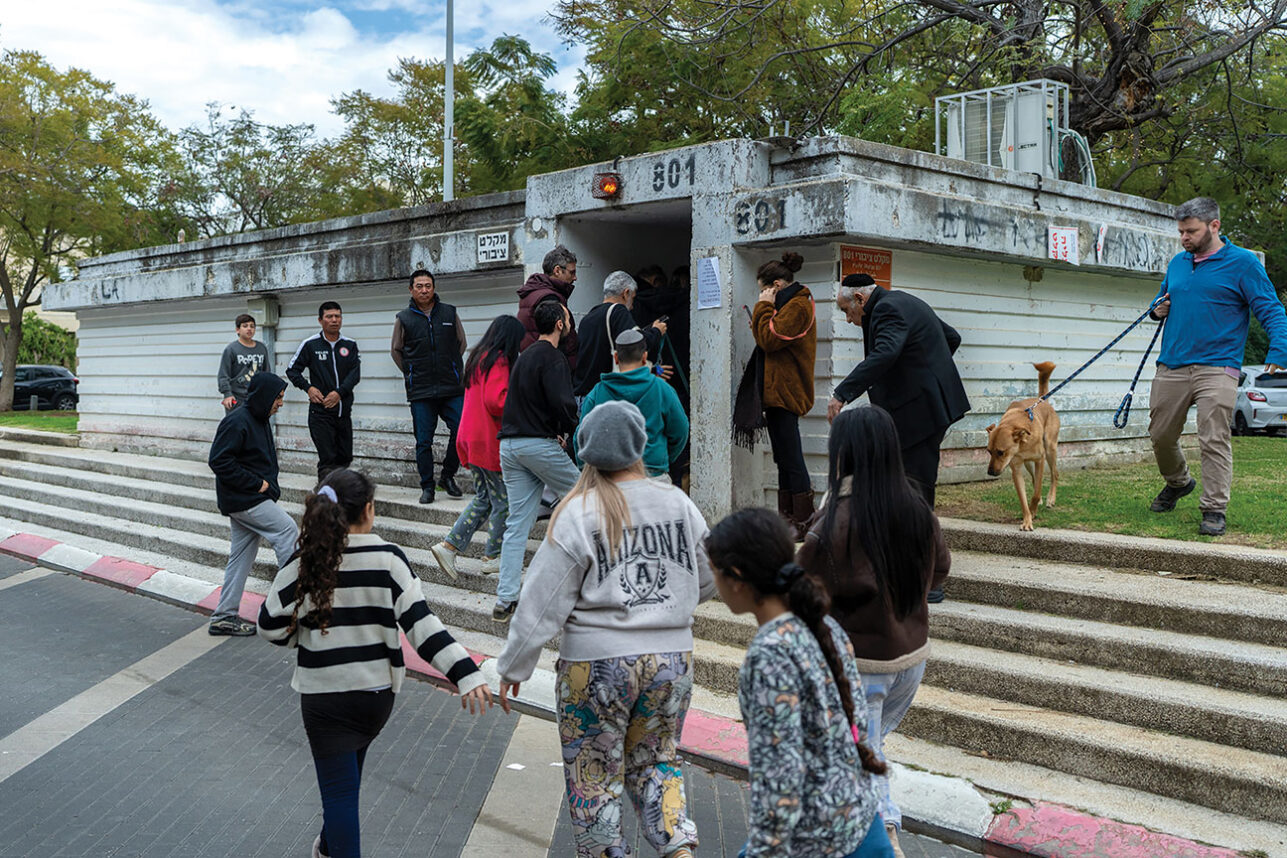
Located less than one mile from Gaza, Sderot is the largest Israeli city that was attacked on Oct. 7. It was the deadliest terror attack in the city’s history. In its immediate aftermath, nearly all Sderot’s 36,000 residents were evacuated to more than 100 hotels across the country.
On Oct. 7, Sderot was the “first place terrorists come to kill people,” Aloni said, speaking in a heavy Israeli accent. “The biggest challenge was we did not have any time. Nobody called us. Nobody prepared us and said, ‘Mayor, 10 minutes from now, someone will come.’”
For the next two years, “our life broke down,” Davidi said.
In March 2024, six months after Oct. 7, Sderot and its rocket-proofed schools officially reopened, prompting its residents to begin returning home.
Speaking on Monday evening at Sephardic Temple, the Sderot mayor said the decision to return to Sderot after six months was not an easy one—but it was the “right” one.
Davidi served on Sderot’s city council before he was elected the city’s mayor in 2013. The native of Be’er Sheba, who is from Israel’s political right-wing, was reelected in 2018 and has been celebrated for the resilience and strong leadership he displayed in response to Oct. 7. He’s also been vocally critical of Israel’s failure to protect Sderot and other southern communities that were attacked.
“I’m a Zionist Jew who loves the city of Sderot, our country, the IDF and everyone…[But] the leadership of the country and the army abandoned us on Oct. 7,” he’s previously said.
Sderot’s roots in Israel run deep. The name of the city, “Sderot,” is Hebrew for the word “boulevards.” Israel’s first prime minister, David Ben-Gurion, bestowed the name on the town as a nod to the boulevard of eucalyptus trees that had been planted there. It’s a city and municipality that has long symbolized Ben Gurion’s vision for making the Negev bloom. JNF-USA, which operates an initiative—”Blueprint Negev”—that’s attempting to bring 500,000 new residents to Israel’s Negev region, shares this mission.
“Jewish National Fund-USA has had a long and successful partnership with the City of Sderot for over 20 years — building resilience centers, a bombproof indoor playground, and providing trauma care and community support,” JNF-USA Greater Los Angeles Director Janice Levy said. “Through these efforts, Jewish National Fund-USA has played a pivotal role in strengthening Sderot’s community, ensuring that its residents receive the support needed to heal, grow, and thrive.”
At Sephardic Temple, Levy was among those in attendance along with her husband, the synagogue’s executive director, Avi Levy. Guests sat at banquet-style tables, which were decorated with floral centerpieces featuring Israeli flags. Desserts were served.
The program lasted two hours, during which Davidi’s humor, relatability and optimism shown through.
As part of his visit to Los Angeles, Davidi also met with Beverly Hills Mayor Sharona Nazarian.
Since Oct. 7, life in Israel hasn’t been easy, Davidi said. There’s the ongoing war in Gaza—which he supports—and there’s the lingering trauma facing much of Israeli society.
The father of seven, Davidi said two of his daughters currently suffer from Post Traumatic Stress Disorder, or PTSD, though neither have asked to move from Sderot, he added, proudly.
Even before Oct. 7, daily life in Sderot meant coping with near-constant rocket attacks from Gaza, because of the city’s geographical proximity to the strip. Nevertheless, no one expected what would happen that Saturday in October, he said.
The event at Sephardic Temple started with a video presentation featuring footage from Hamas’ Oct. 7 attack on Sderot. The clips showed terrorists taking over the city’s police station, as six Sderot police officers sought refuge on the station’s roof. Four of the six officers lived through the ordeal.
Ultimately, the battle in Sderot lasted two days, during which time Hamas killed 53 people, including civilians and police officers.
A few months ago, Davidi became a grandfather. At Sephardic Temple, he was asked what his dream for Sderot was. He thought for a moment before he said he hopes that the “Gaza envelope” communities—that is, Israeli towns bordering the Gaza strip—become a place where his granddaughter can live peacefully.
“I wish for my granddaughter to have a quiet life,” he said. “Simple.”