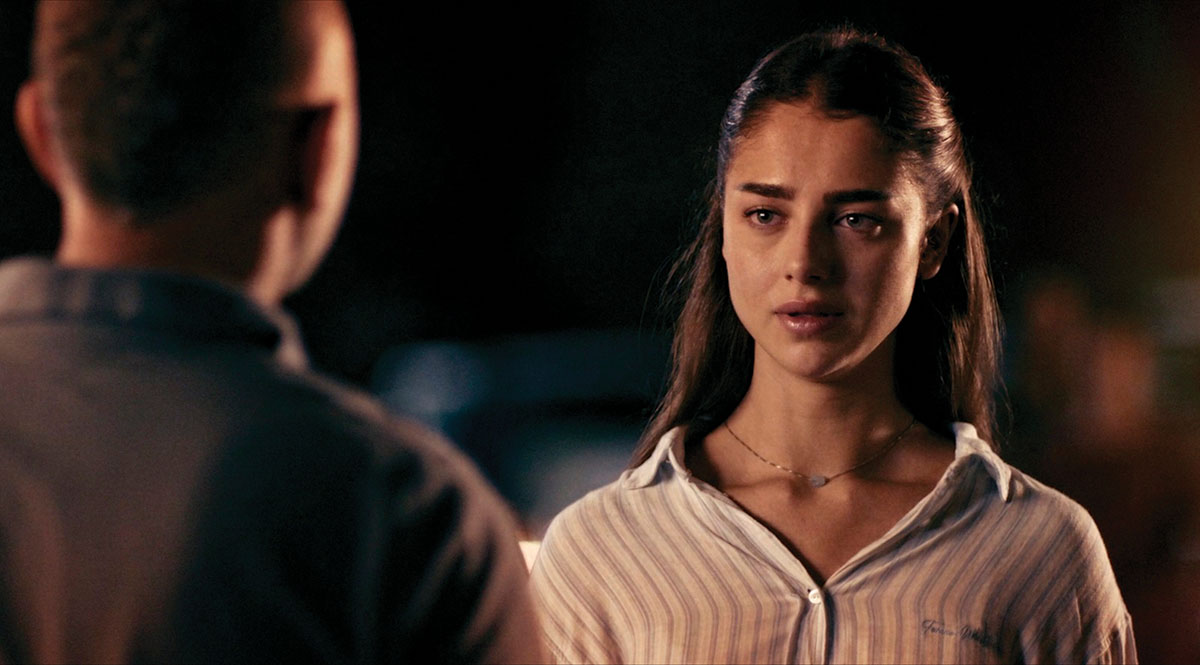
“I’m scared,” the person types. “I can’t sleep. My whole body is shaking.”
There was a siren earlier. It’s quiet now, but the fear hasn’t left.
It is early evening in Los Angeles, before dinner, when the day has not quite ended yet.
But across the ocean in Israel, it is already the deepest part of the night, and for some, the hardest.
As renewed rocket attacks target Israel, nights have become especially heavy. Sirens may fall silent, but fear often lingers, filling the quiet hours with anxiety and isolation. In those moments, emotional support lines become a lifeline.
I am one of the volunteers who answers them.
Through SAHAR, Israel’s anonymous emotional support organization, hundreds of volunteers in the United States help sustain Israel’s nighttime emotional support lines. Because of the time difference, Israel’s deepest night hours align with evening hours in America, allowing U.S.-based volunteers to cover the overnight support shift while most Israelis sleep. We log in from kitchens, studies and living rooms, after work, before dinner and long after our own days have ended, not as therapists or experts, but as caring fellow Jews who want to make sure no one has to face distress alone at four in the morning.
This work exists all year long. Emotional distress does not wait for emergencies or headlines. During periods of relative calm, and during moments of acute crisis like the current rocket attacks, people reach out at night when silence makes everything feel heavier.
The American Night Shift
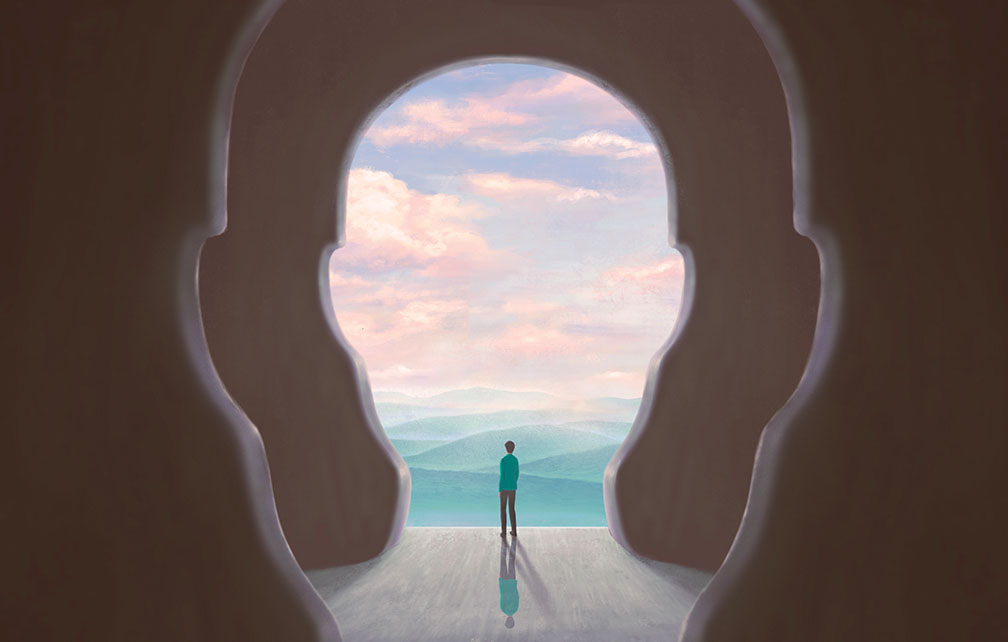
For me, as an educator and researcher in adolescent well-being, this work turns theory into something deeply real. Night after night, I meet people trying simply to hold themselves together for one more hour. Most are not looking for diagnoses or advice. They are searching for a place where they do not have to be strong, where they can finally let their guard down.
The stories are different, but the need is often the same.
A teenage girl typed quietly. She had not been invited to a gathering, and classmates had been whispering and laughing behind her back.
“I don’t want to wake anyone,” she wrote. “Everyone is asleep, and I feel invisible.” Before signing off, she added, “Thank you for staying with me.”
A young man wrote in the early hours after a painful breakup.
“It’s 3 a.m., and my thoughts won’t stop,” he said. “I keep replaying everything.” When he logged off, he left a short note: “It helps not to be alone with this.”
Another message came from someone carrying memories from earlier rounds of fighting that returned after dark.
“I manage during the day,” he wrote. “It’s the nights that undo me.”
And sometimes, the need was quieter still.
An elderly woman wrote from her apartment. Her husband had passed away the year before.
“The nights are the hardest,” she wrote. “Could you just stay online with me for a little while?”
We did not talk much. We did not need to.
Sometimes, what carries someone through the night is simply knowing that someone else is there.
One of the most moving parts of this work is realizing who sustains it. Across the United States, people with full lives, work, studies and families choose to give their evenings so that Israelis do not struggle alone in the dark. This is a form of solidarity that exists alongside philanthropy and advocacy, yet offers something uniquely intimate, presence.
We may never know each other’s names. We may never meet. Yet for those minutes, across oceans, time zones, and screens, we share something deeply human.
As long as there are nights in Israel that feel heavy, during renewed attacks and during uneasy calm, there will be a volunteer in America sitting quietly at a keyboard, ready to say, “You are not alone. I am here with you.”
Sometimes, that is enough.
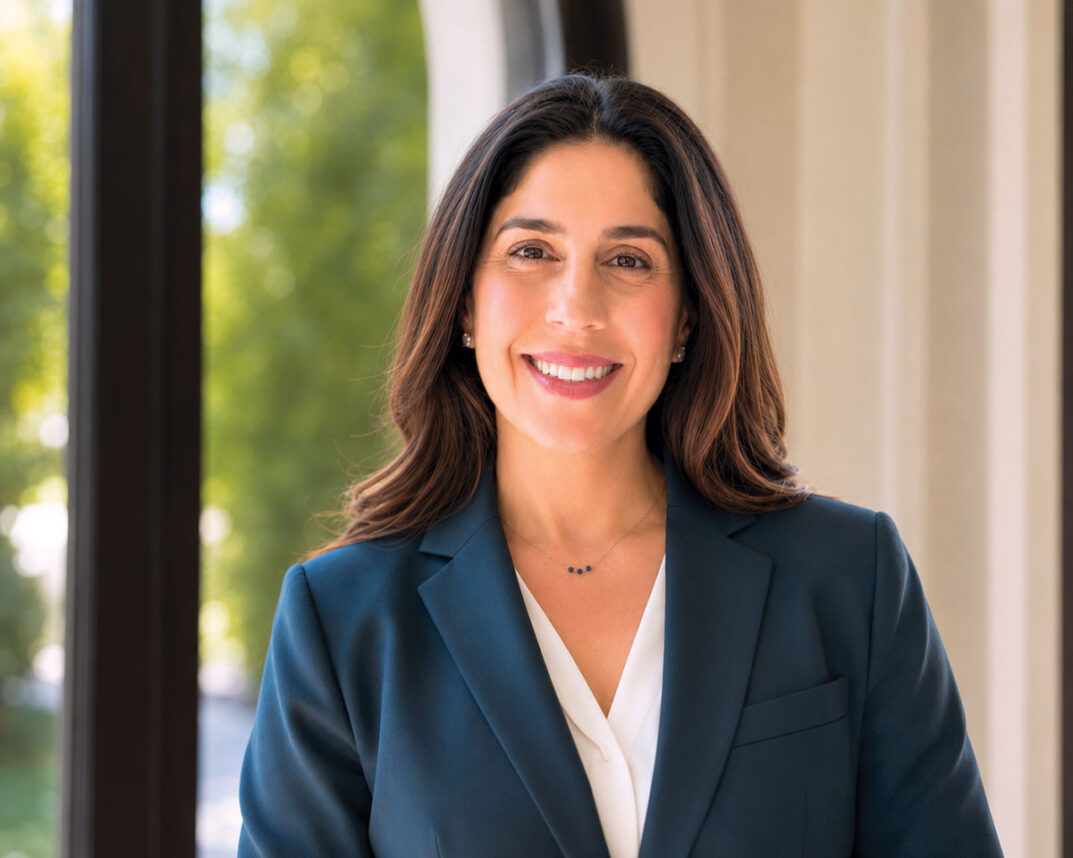
Dr. Orly Danino is an educator and researcher in adolescent well-being. She develops gratitude-based resilience programs and volunteers with SAHAR, providing nighttime emotional support to Israelis from her home in Los Angeles.