Since the Oct. 7 attack on Israel, 846 IDF soldiers have been killed, 407 of them in Gaza. Many of these soldiers, particularly those in the reserves, left behind wives and children. In response, the non-profit organization Widows of Warriors was launched last year to support these widows and their children. On their website, they write: “The War of Iron Swords will end, but these women will be widows forever.”
Revital Shamir, 28, lost her husband, Moti, 29. When the war broke out, Moti didn’t wait to be called to join his unit; he grabbed his gun, got in his car and rushed to defend Kibbutz Re’im by the Gaza border, which had been attacked by Hamas. He managed to kill several terrorists before being shot in the back.
Four months later, Revital gave birth to their second child, a girl. The couple have a and-a-half year-old son. Both children were conceived through IVF. “In this big darkness we are thankful for the miracle that entered our house with the birth of our daughter,” wrote Revital.
Another widow, Galit Vizel, lost her husband, Elkana, a 35-year-old teacher from Bnei Dkalim. Before he left for war, Elkana wrote a letter to his family:
“When a soldier falls in battle, it’s sad. But I ask you to be happy. Don’t be sad when you say goodbye to me. Sing a lot, make mistakes in your hearts, hold each other’s hands and support each other. We have so much to wake up to and be happy about. We are a generation of redemption! We are writing the most significant moments in the history of our nation and of the entire world. So please be optimistic. Keep choosing life all the time — live with love, hope, purity and optimism.”
The couple had four children and Galit was left to care for them on her own.
Rabbi Moshe Rothchild, founder of the Global Israel Alliance, established the Widows of Warriors project shortly after the war began to help women like Galit and Revital. Originally from Miami, he made Aliyah with his wife and three children 16 years ago, settling in Efrat, a Jewish settlement with a predominantly religious Zionist population.
Many young religious Jewish men have fallen in this war — many of them husbands and fathers. Seeing firsthand the profound impact of this loss on the widows left behind, Rothchild sought a way to help them. “We developed a long-term support program for these courageous widows and their children. These families paid the ultimate price in a time of national peril; our part is to stand by them when they need us,” he said.
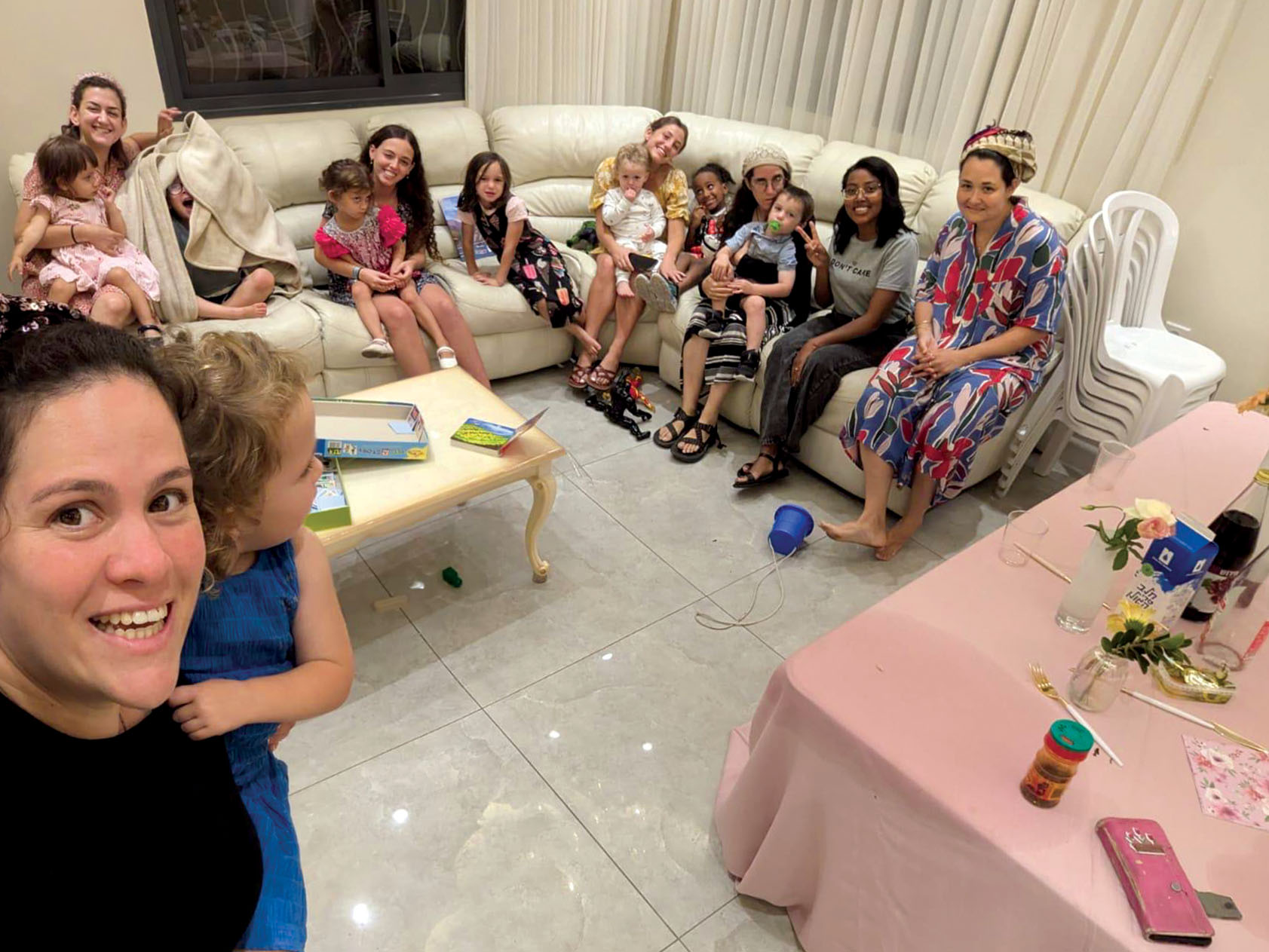
Although the government does provide financial assistance to widows, they need more than just that. “They want the ability to connect with other women who understand what they are going through,” Rothchild said. “They need to talk to other women whose children are also growing up without a father. They share the same kind of loss so we organize for them events, retreats, breakfasts and other gatherings.”
“They need to talk to other women whose children are also growing up without a father. They share the same kind of loss so we organize for them events, retreats, breakfasts and other gatherings.”
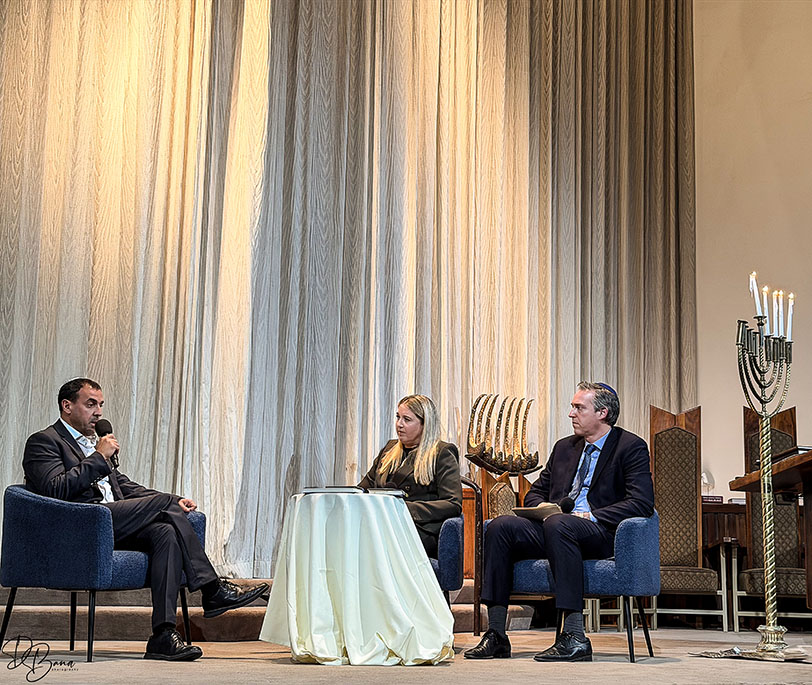
Last month, Rothchild arrived in Los Angeles with one of his neighbors from Efrat, Ariella Ruback, an IDF border observer and one of the few survivors of the attack on Kissufim base. The two spoke at Young Israel of Century City. Ruback spoke of the integrity and bravery of her young friends who gave their lives for Israel. “Ariella spent 15 hours hiding in the base which was invaded by terrorists. More than 30 of her friends were killed, one of them was married with a child,” Rothchild said.
There are 150 widows who receive support from the program and their children benefit from it as well. Rothchild estimates that there are over 400 children among them, all of whom also benefit from the program. “We did ‘Wheels for Life’ to get them bicycles. In March, we have 30 photographers coming to the park with bounce houses, music and so on, and the photographers will take photos of the mothers and children and give them the photos.”
The program receives donations from all over the world, with 80% coming from the U.S. and the rest from 40 countries, including Israel.
In March, Rothchild and Ruback will visit Los Angeles again and speak at two events — one on March 20 at the Beverly Hills Tennis Club, with the second still awaiting confirmation.
Many of the widows themselves want to share their stories and keep the memories of their husbands alive. “The most important principle for us is to listen to them and give them what they want, not what we think they need. We try to meet those needs. We always tell them that although the path might be difficult, we promise them they’ll never walk it alone.”