fbpx

Visit to Ethiopia Changes His Life

\"John has given real leadership to the issue of Ethiopian Jewry,\" said Barry Shrage, president of the Combined Jewish Philanthropies of Greater Boston, who earlier this year went to Ethiopia with Fishel and 100 American Jewish federation members. \"He\'s always been the first one to speak up and stir the conscience of the federation movement.\"
[additional-authors]
May 25, 2006

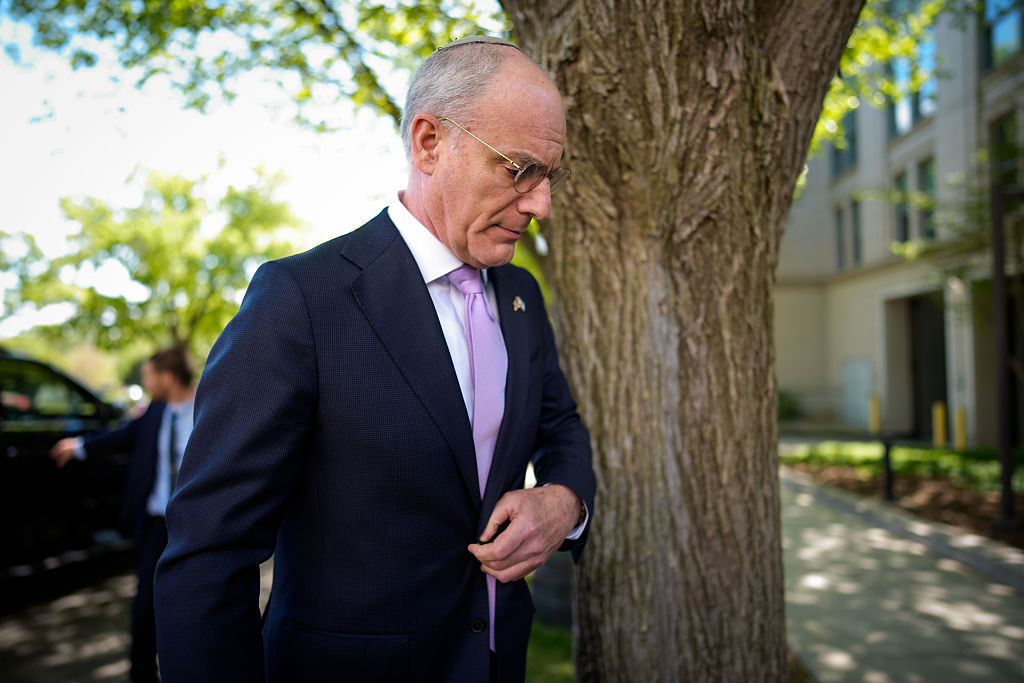
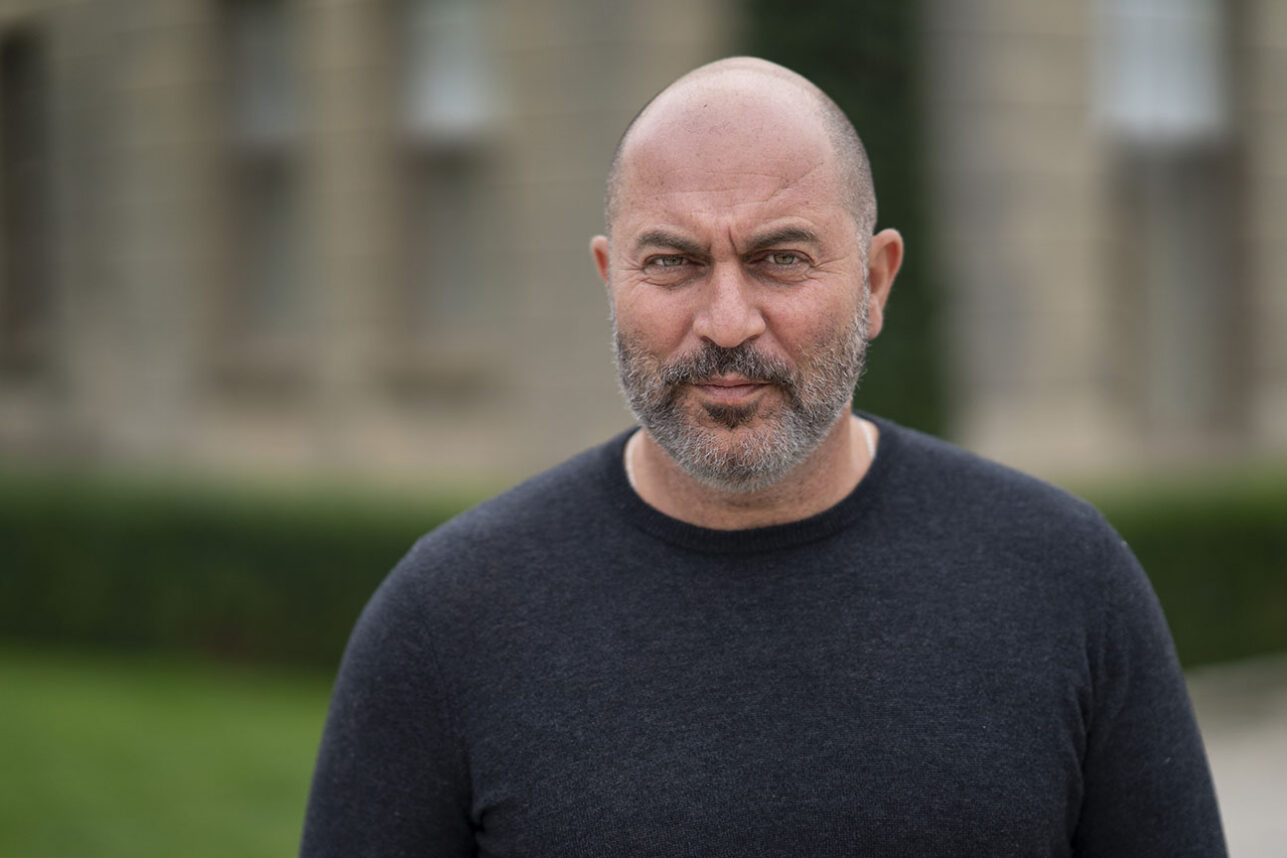
In 2004, John Fishel went to Ethiopia as part of a delegation of American Federation leaders. The experience changed his life.

The president of The Jewish Federation of Greater Los Angeles, along with five members of the UJA Federation of New York, visited shantytowns filled with Ethiopians waiting in squalor for the chance to make aliyah — to immigrate to Israel.

Fishel and the delegation saw families living in one-room, windowless huts without electricity or running water, and, if lucky, eating one meal a day. Looking at the desperate faces of the Falash Mura — Ethiopians who have ties to Jews either through relatives or their own ancestry — Fishel vowed that he would do something.

Africa has long captivated Fishel, who has a degree from the University of Michigan in anthropology. He had visited about 20 African countries, including Nigeria, Liberia and Senegal. However, nothing made as indelible impression on him as that first mission to Ethiopia, which tapped into Fishel’s commitment to Jewish people worldwide.

After that trip, the United Jewish Communities (UJC), the umbrella organization representing 156 federations and 400 independent Jewish organizations across North America, asked Fishel to co-chair a task force to suggest ways federations could help the estimated 15,000 to 20,000 Falash Mura remaining in Ethiopia. Among the group’s recommendations: The UJC should lobby for the acceleration of aliyah and improve health care and other services for the Ethiopian Jews as they wait to immigrate to Israel.

It was partly at Fishel’s instigation that the UJC recently launched Operation Promise, an ambitious campaign that hopes to raise $160 million over the next three years, with $100 million for Ethiopia and $60 million to help Jews in the former Soviet Union. The L.A. Federation has pledged to raise $8.5 million for the campaign over the next three years.

“John has given real leadership to the issue of Ethiopian Jewry,” said Barry Shrage, president of the Combined Jewish Philanthropies of Greater Boston, who earlier this year went to Ethiopia with Fishel and 100 American Jewish federation members. “He’s always been the first one to speak up and stir the conscience of the federation movement.”

On that trip, Fishel’s second to Ethiopia, the federation contingent accompanied nearly 150 Jewish Ethiopian olim, or immigrants, as they made the emotional journey by plane from Addis Ababa, the Ethiopian capital, to Ben Gurion Airport in Israel.

“John is a very compassionate person and was very moved by what he saw,” said Susan Stern, a fellow mission participant and chairman of the board of the UJA Federation of New York.

Fishel intends to stir other consciences as well. At every opportunity, he said, he has brought the issue of Ethiopian Jewry to the attention of Israeli leaders, from midlevel bureaucrats to prime ministers, including Ariel Sharon and Ehud Olmert.

“I see Jewish issues as global in scope,” Fishel said. “I think Jews are all responsible for one another, whether in Ethiopia or Russia or Argentina or in the Jewish state.”–MB


 

Did you enjoy this article?
You'll love our roundtable.

Editor's Picks

Latest Articles

The Beat Goes On

While so much of the world seems obsessed with and consumed by its hatred of Israel and Jews, Israelis continue to build, create, work, celebrate, argue, raise families, and plan for the future.

Viral AI Video Targets Jewish Comedian

“The biggest concern is that people now have a pathway to shut down Jewish voices through complete falsities that people will believe. … For the future of Jewish entertainment, it’s very scary.”

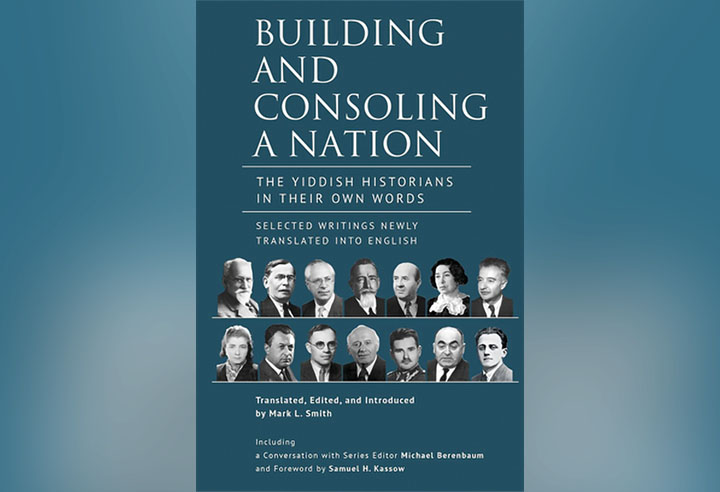
Yiddish Historians: Writing in Their Own Language for Their Own People

Mark Smith has compiled an important anthology of Jewish history using 49 works by Yiddish historians to recreate or at least open the door to a world of Jewish thought that was once almost mainstream, but which no longer exists, except in the minds of too few specialists.

The Everlasting Melody

Most Jews who have sung “Eitz Chaim” over the past half-century probably never knew Portnoy. They did not know when he wrote the melody or how young he was when he composed it. They simply knew the song.

Who’s Really the Victim?

Those who would revel in Israel’s demise are claiming victimhood on every front and denying attacks on us in the same breath.

Biblical Deterrence

After Oct. 7, the sentiment in Israel toward the Iranian leadership was unequivocal: You went medieval — so we will go biblical.

How Sukkot Makes Us Whole

This year, I bless us that we open our eyes to truly see the beauty and the holiness of the world, and of the person before us at each and every moment, and to see the godliness of their aspirations and their fears.

The New Ushpizot

Ushpizin invite us to “welcome in our ancestral constellation and dwell amongst them.” This year, it’s Ushpizot, for the women. It’s the year of the Feminist Visitation.

Macklemore, Or Less

In between his songs, he proclaimed, “Free Palestine,” which is fine, asserted that opposing Israeli military actions is not antisemitic, which is accurate, and accused Israel of apartheid and genocide, which is offensive, untrue and hateful.

The Rokeach’s Remarkable Sukkah

To Rabbi Eleazar ben Judah of Worms (1176-1238), the medieval German pietist known as the Rokeach, the sukkah symbolized Jewish military might.

The Sukkah and the Power of Endurance

They can destroy our Temples, demonize us in social media, shower us with hate, but they can’t destroy a spirit that never stops building. That enduring spirit is the power of the sukkah.

NY Mag’s Habibi City

A satirical response to Zaina Arafat’s erasure of Jews in her New York Magazine article “Habibi City,” written as Zaina Arafat.

The ‘Fauda’ Enigma

In many of the nations that believe Israel has no right to exist and routinely root for terrorists to slaughter Jews, a TV show that depicts Israeli covert operatives outsmarting and dispatching Arabs has an inexplicably loyal global audience.

More news and opinions than at a Shabbat dinner, right in your inbox.