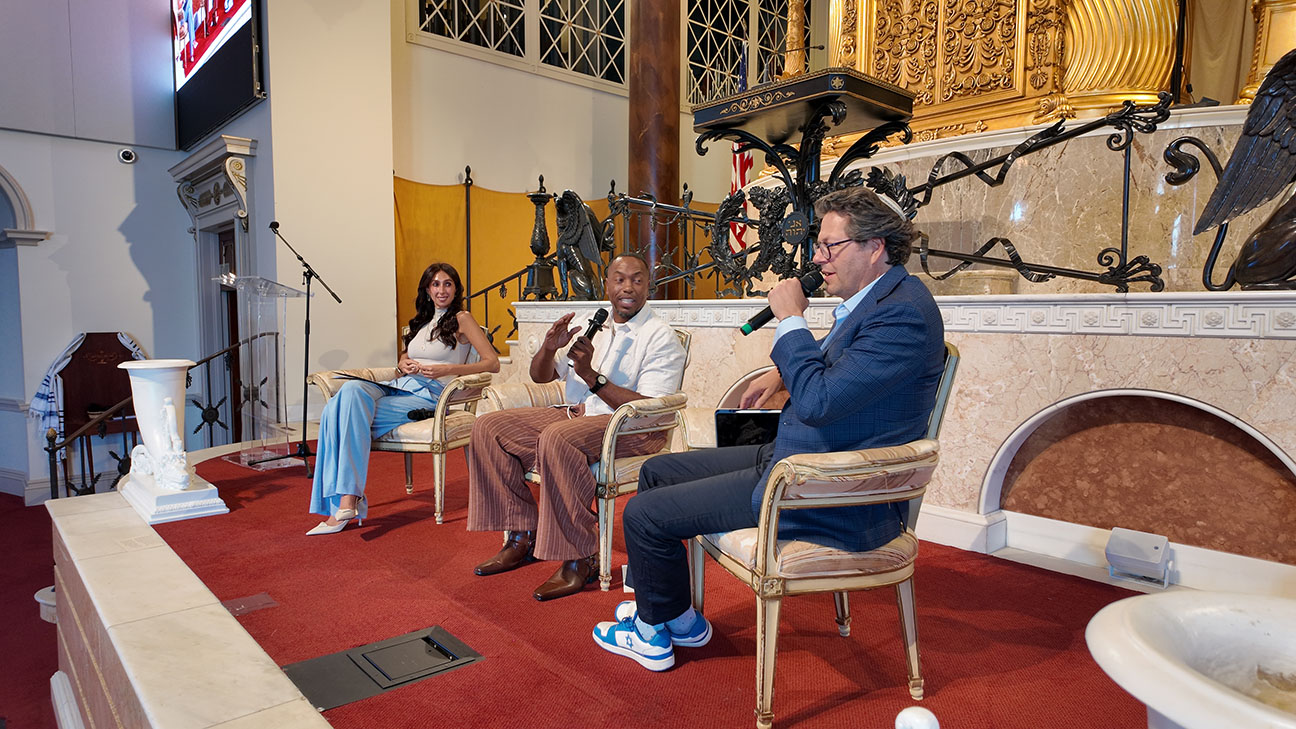
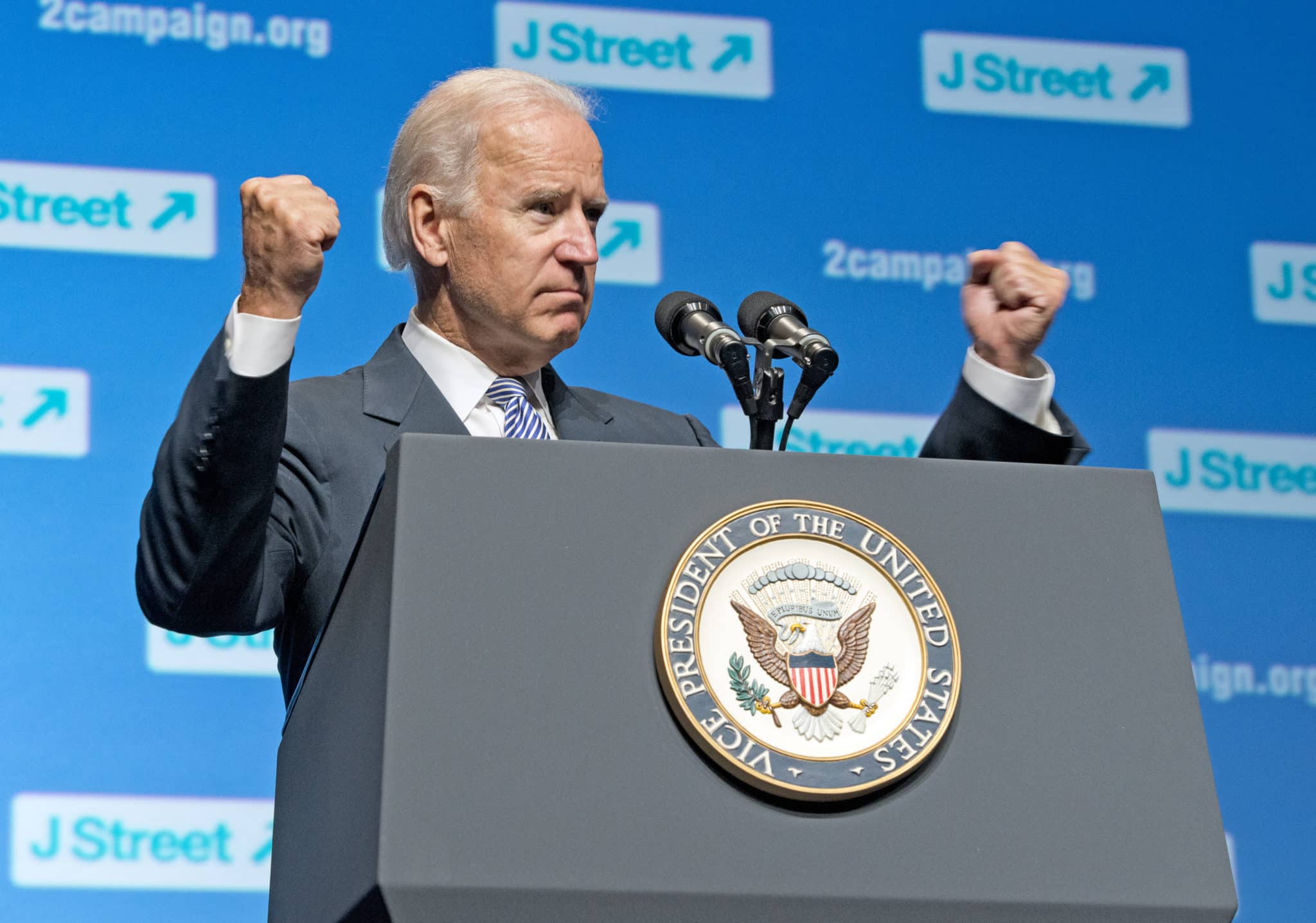
On May 19, during an online fundraiser with Jewish Democratic donors, Vice President Joe Biden listened to and answered pertinent and pressing questions from Dan Shapiro and Deborah Lipstadt that many American Jews are grappling with in 2020. During the Zoom call, Biden said “criticism of Israel’s policy is not anti-Semitism…but too often that criticism from the left morphs into anti-Semitism.”
The timing of the call could not have been more prescient. The Anti-Defamation League (ADL) released its annual anti-Semitism audit in March, stating: “The American Jewish community experienced the highest level of antisemitic incidents last year since tracking began in 1979, with more than 2,100 acts of assault, vandalism and harassment reported across the United States.”
Biden also reiterated his support for the State of Israel, but criticized Israeli settlement in the West Bank, Prime Minister Benjamin Netanyahu and annexation plans, claiming that right-wing Israeli movements and leaders “choke off any hope of peace.”
The refreshing political nuance Biden has managed to achieve by criticizing the left for its anti-Semitism problem and criticizing Israeli policy has been absurdly politicized and weaponized by a handful of vocal American Jews.
The refreshing political nuance Biden has managed to achieve by criticizing the left for its anti-Semitism problem and criticizing Israeli policy has been absurdly politicized and weaponized by a handful of vocal American Jews. On the right, the Republican Jewish Committee has branded Joe Biden “J-Street Joe” in an attempt to deter more conservative and hardline pro-Israel Jewish voters from his camp. In an attempt to sway the Jewish vote to Trump in 2020, the Jewish right has doubled down on the fraudulent accusation that any criticism of Israeli policy is feeding the beast of “leftist antisemitism” in the United States and around the world.
On the left, columnists like Joel Swanson of The Forward insinuate that because the ADL’s 2019 audit displayed more prominence of anti-Semitism on the political right, those who are concerned by the creeping prevalence of anti-Semitism on the left are misled.
What the Republican Jewish Committee doesn’t understand is that more and more American Jews agree with Biden when it comes to policy toward Palestinians, including opposition to unilateral annexation of the West Bank. What Swanson doesn’t understand is that anti-Semitism manifests differently depending on the politics of the perpetrator. For example, anti -Semitism from the left may materialize as a college student feeling marginalized and vilified on campus, while anti-Semitism from the right may show its face as spray-painted swastika. Right-wing anti-Semitism may appear more in an ADL audit simply because it presents itself more blatant and therefore is more subject to official reports. The right blames the left for rising Jew-hatred, while the left blames the right. But this debate over right-wing and left-wing anti-Semitism and Jewish politics as they relate to the Israeli-Palestinian conflict is counterproductive.
There is no such thing as ideologically different anti-Semitism. Constantly “grouping” hatred of Jews into categories based on the politics of who perpetrates it is ridiculous.
I propose a revolutionary idea for the politically engaged Jewish community to ponder: there is no such thing as ideologically different anti-Semitism. Constantly “grouping” hatred of Jews into categories based on the politics of who perpetrates it is ridiculous. As far as I’m concerned, the left and the right both employ the same anti-Semitic rhetoric, conspiracy theories and tactics when seeking to attack Jews.
Rep. Ilhan Omar (D-Minn.)’s “All About the Benjamins” comment really does not differ in “type” from President Donald Trump’s “You want to control your own politicians,” line. Take for instance the University of Florida’s (U.F.) Students for Justice in Palestine (SJP) chapter, a student movement that is generally associated with “left-wing anti-Semitism.” On May 15, U.F.’s SJP posted an anti-Zionist cartoon on its official Instagram, portraying a Jew with a long, ugly nose and a vampire-like face, mirroring the propaganda of Nazi Germany. That sounds rather right-wing to me. In contrast, anti-Zionism, an ideology increasingly associated with the left, found its strongest support in right-wing white supremacists in 2019. The ADL cited an example of this particular ideology: “American Jews are manipulating U.S. immigration policy in order to undermine the U.S.’s white majority population while at the same time hypocritically demanding a pure Jewish ethnostate in Israel.” If you take the first half of that sentence away, it could be an official platform of the Democratic Socialists of America.
We need to understand that there is no vast difference in the anti-Semitic ideas festering on all sides of the American political spectrum. They all revolve around the same lies and conspiracy theories about Jewish people. The only difference perhaps is that one side of the aisle acts more violently than the other — an important difference, but that still does not negate the ideological similarities between anti-Semitism coming from an SJP chapter or a gathering of “groypers” (a poorly organized group of white nationalist and alt-right activists who espouse racism and antisemitism) on Twitter.
We cannot afford to run into our corners based on who ushers in anti-Jewish rhetoric and then argue about where anti-Semitism “is really coming from” or “who owns it.”
If we consistently confront anti-Semitism when it appears, regardless of who perpetrates it and their politics, we can better unify as a Jewish people. We cannot afford to run into our corners based on who ushers in anti-Jewish rhetoric and then argue about where anti-Semitism “is really coming from” or “who owns it.” Everybody owns it, so really, nobody owns it: not right, not left, but hate. Especially now.
Progressive New York Mayor Bill de Blasio referred to anti-Semitism as “a right- wing movement” in June 2019, only to irresponsibly and publicly target Jewish communities and a Yeshiva for “not practicing social distancing.” Days later, two Hasids were attacked in Brooklyn.
It appears as though every political category is capable of hating Jews, so let’s stop pretending they’re so separate in intention.