


We are the people who said, three thousand years ago, that no human ruler is God. And tyrants have never forgiven us for it.

Second of two parts
The United States Conference of Catholic Bishops did a remarkable thing: It issued a memorandum to all American Catholic bishops urging them to prepare their teachings carefully during this Easter period and ensure that they accurately present the Church’s positive teachings about Jews.
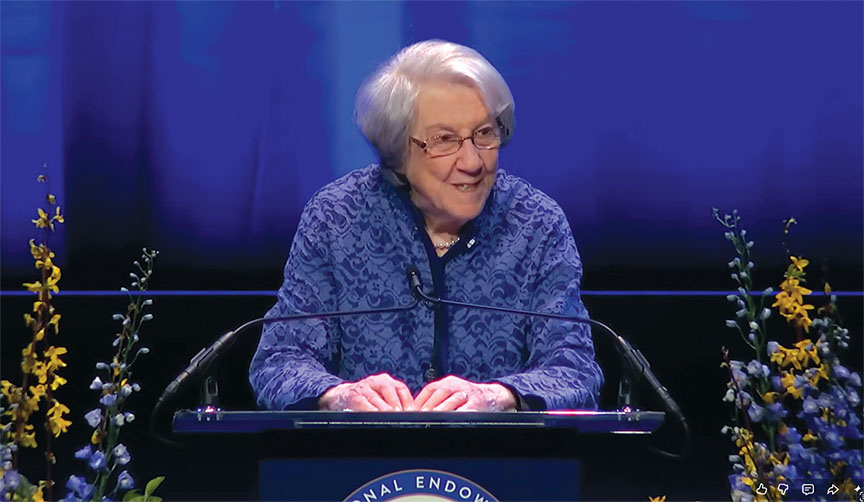
On March 25, Professor Ruth Wisse, the legendary Yiddish literature and Jewish culture scholar, used an all-American platform to inspire Americans with Jewish, Zionist and quintessentially American, lessons.

“Mazal Market will exist as long as there is a need for it. It’s a place where everyone feels like they’re Jewish enough together.”
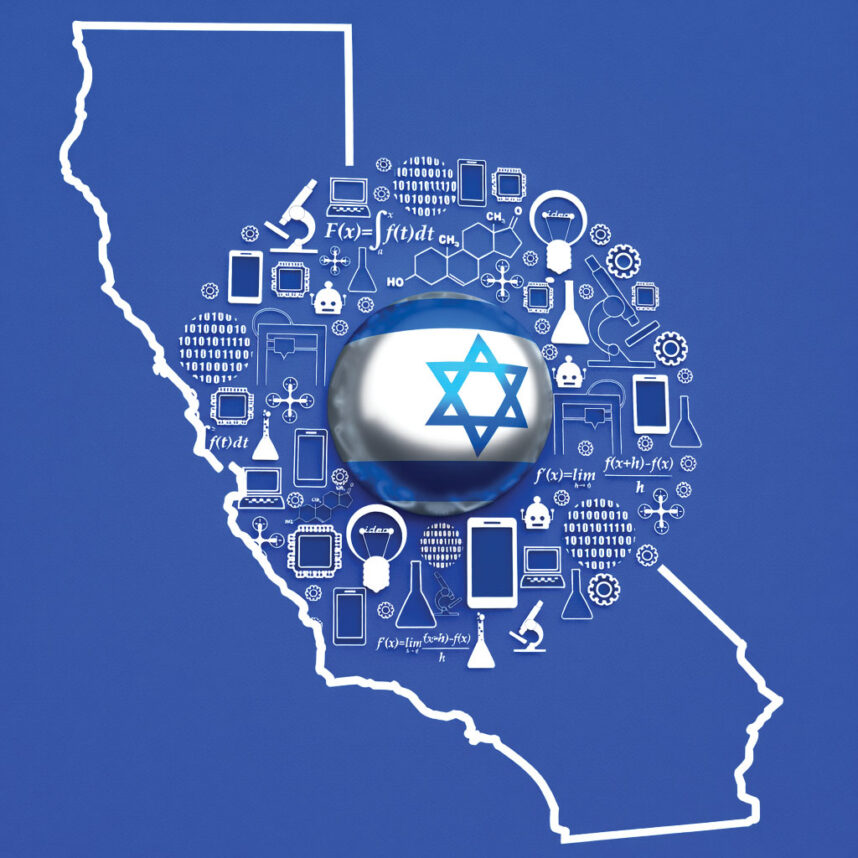
California has long been home to Israeli entrepreneurs and companies spanning tech, cybersecurity, custom software, financial services and full-service restaurants. These businesses generate jobs and strengthen the state economy.

While some voices on the far left and far right attempt to portray Israel as dragging the U.S. into war, Bachar stressed that this is not the reality, noting that the United States is acting based on its own strategic interests.
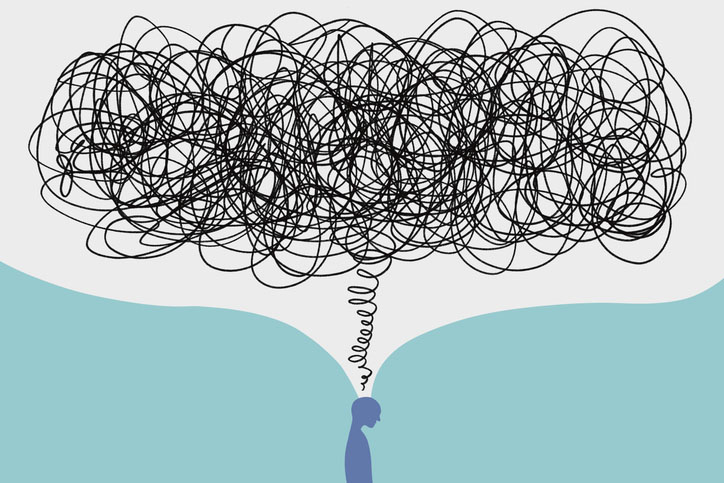
Chametz is also something that gathers in the corners of our being, the spiritual chametz that, like the physical particles we gather the night before Passover, can infect, wither, influence and sabotage us as we engage with others.
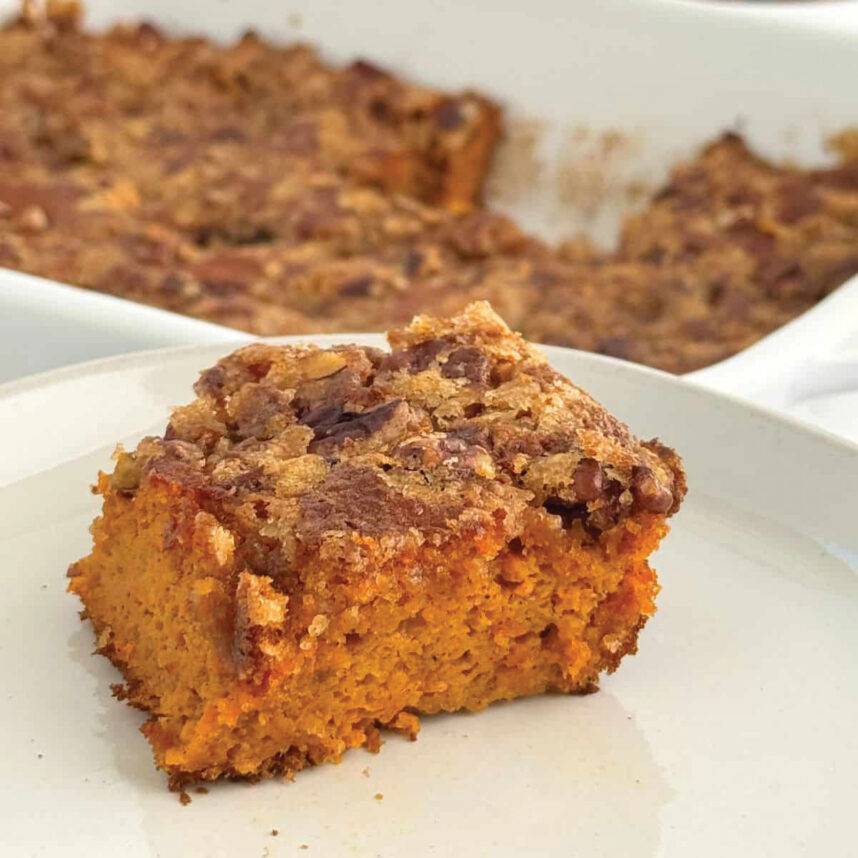
At Passover time, all kugels are welcome.

Nathan’s family holidays go back 46 years with rotating guests and a community that forms around her ever-changing table.
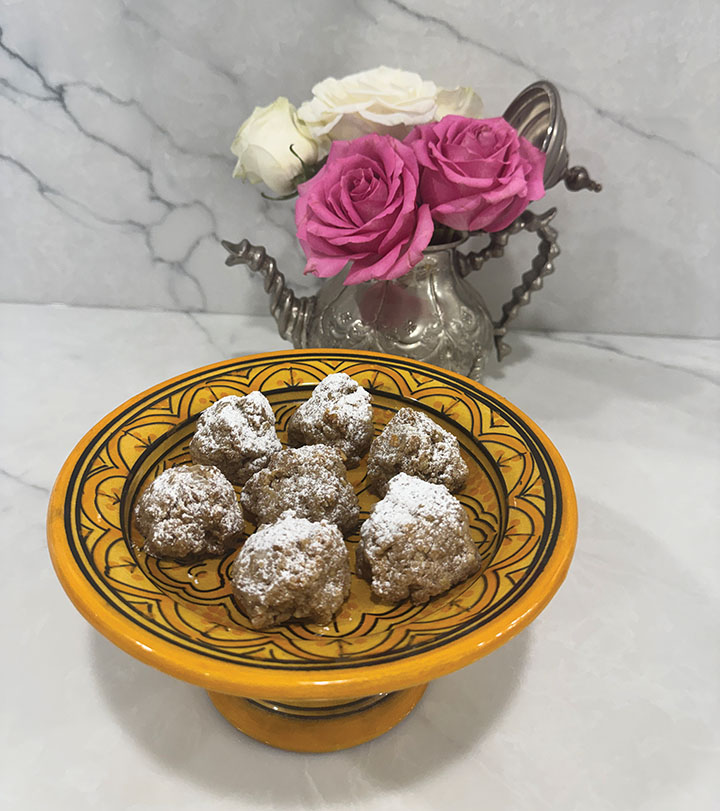
They are perfect for a Mimouna table because they are flourless and can be baked during Passover, before Mimouna.
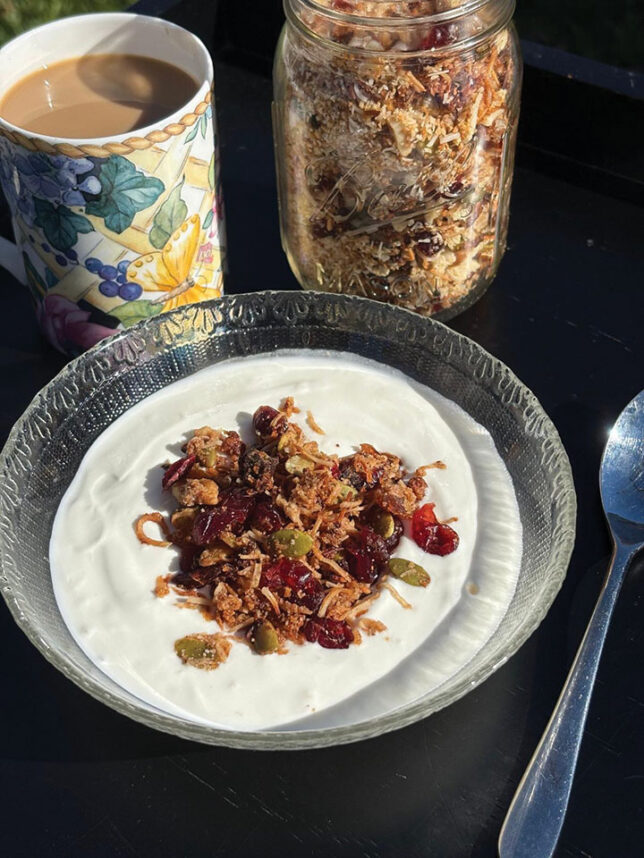
Every Passover, I prepare a truly delicious gluten-free granola. I use lots of nuts and seeds (pistachios, walnuts, almonds and pumpkin seeds) and dried fruits (apricots, dates and cranberries).
The Our Ongoing Exodus

Passover itself denotes transcendence. Leaving one’s limitations. Leaping beyond the ordinary.

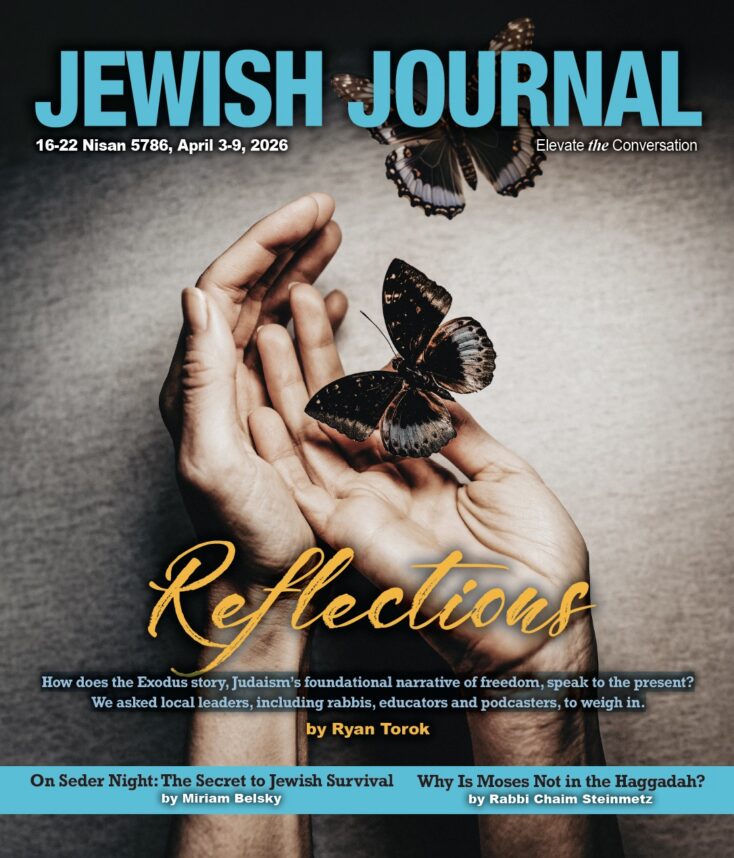
How does the Exodus story, Judaism’s foundational narrative of freedom, speak to the present? We asked local leaders, including rabbis, educators and podcasters, to weigh in.

Whoever risks a decisive or semi-decisive prediction of the campaign’s end (and there is a long list of such figures on the Israeli side as well as the American side) is not demonstrating wisdom but rather a lack of seriousness.
The Seder asks us to remain present to the tension between competing fears and obligations. It does not require choosing one lesson over the other, but rather, it creates space for us to articulate our concerns and listen to the fears and hopes that shape others’ views.
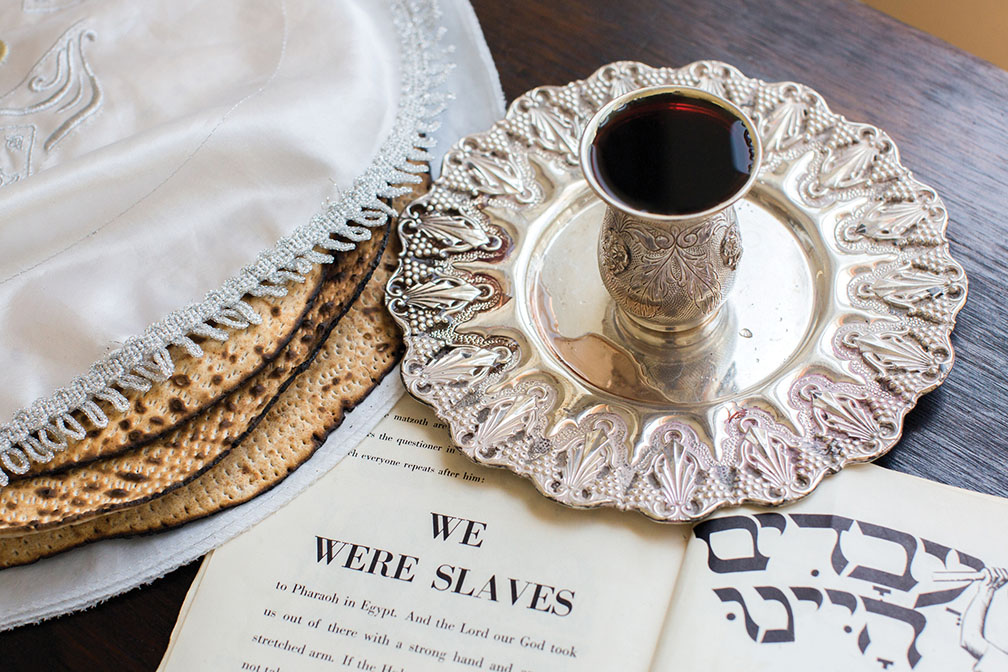
The Haggadah’s original purpose is not to soothe. It is to mobilize.
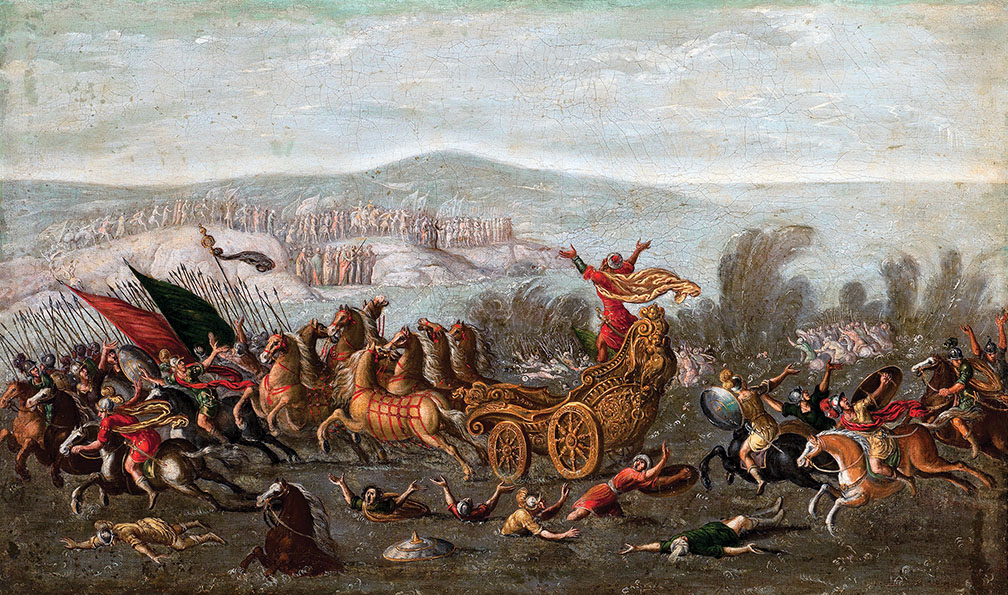
Freedom, it would seem, is erratic; it happens in fits and starts, three steps forward and two steps back. Freedom is a leap into the unknown, driven by a dream. We will figure it out in time.