There were only 2,000 Jews living in the United States on July 4, 1776, when the Second Continental Congress unanimously adopted the Declaration of Independence, announcing the colonies’ separation from Great Britain.
The big day for the Jews, however, came 12 years later, on July 4, 1788, as the Constitution was being ratified. Jacob Raphael Cohen, cantor in Philadelphia’s only synagogue, marched arm in arm with a Christian minister, Rev. William White, chaplain of the Continental Congress.
As chronicled by Ron Rubin, emeritus professor of political science at City University of New York, this was a crowning moment. Dr. Benjamin Rush, a signer of the Declaration of Independence and a delegate to the Pennsylvania ratification convention, wrote:
“The clergy formed a very agreeable part of the procession. They manifested the connection between religion and good government. Pains were taken to connect ministers of the most dissimilar religious principles together, thereby to show the influence of a free government in promoting charity.
“There could not have been a more happy emblem contrived of that section of the new Constitution Article VI, prohibiting religious qualifications for holding office, which opens all its power and offices alike not only to every sect of Christians but to worthy men of every religion.”
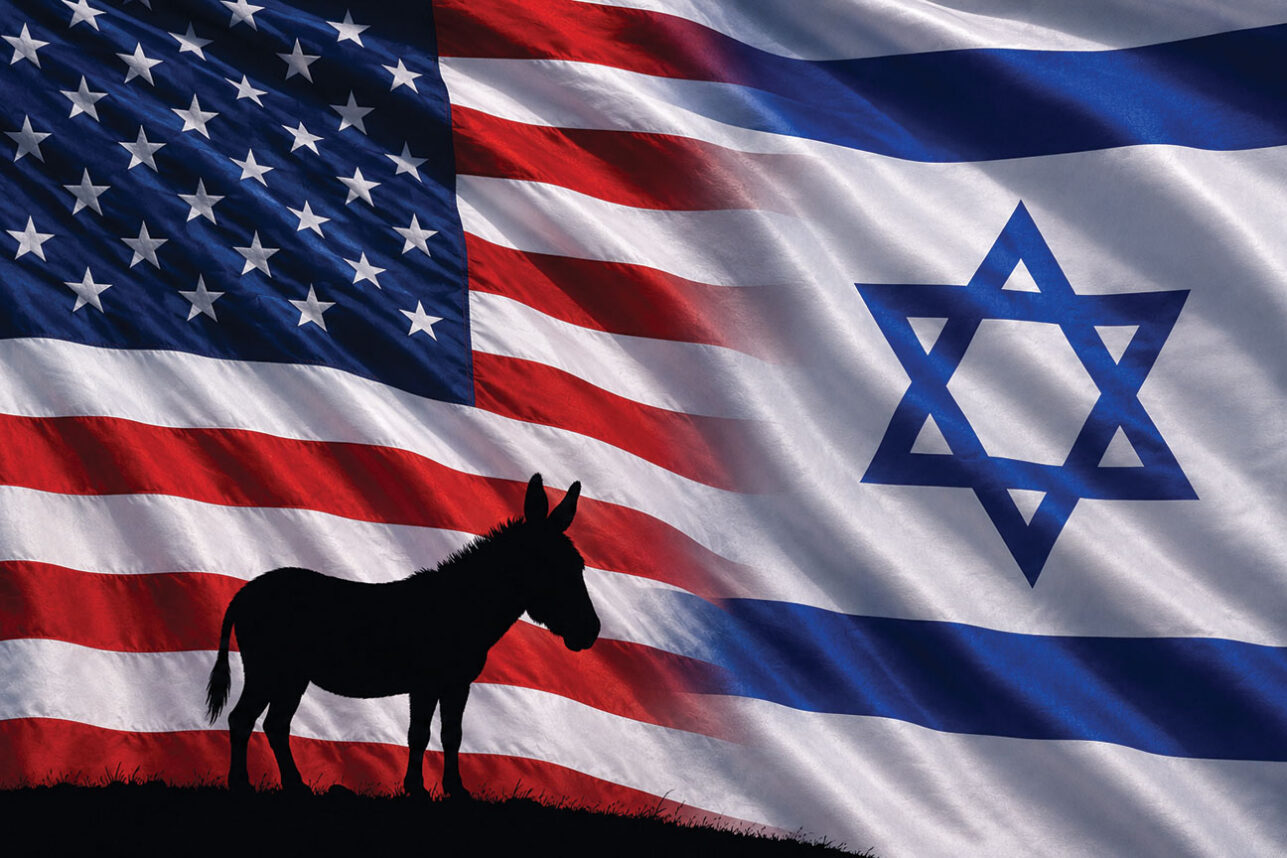
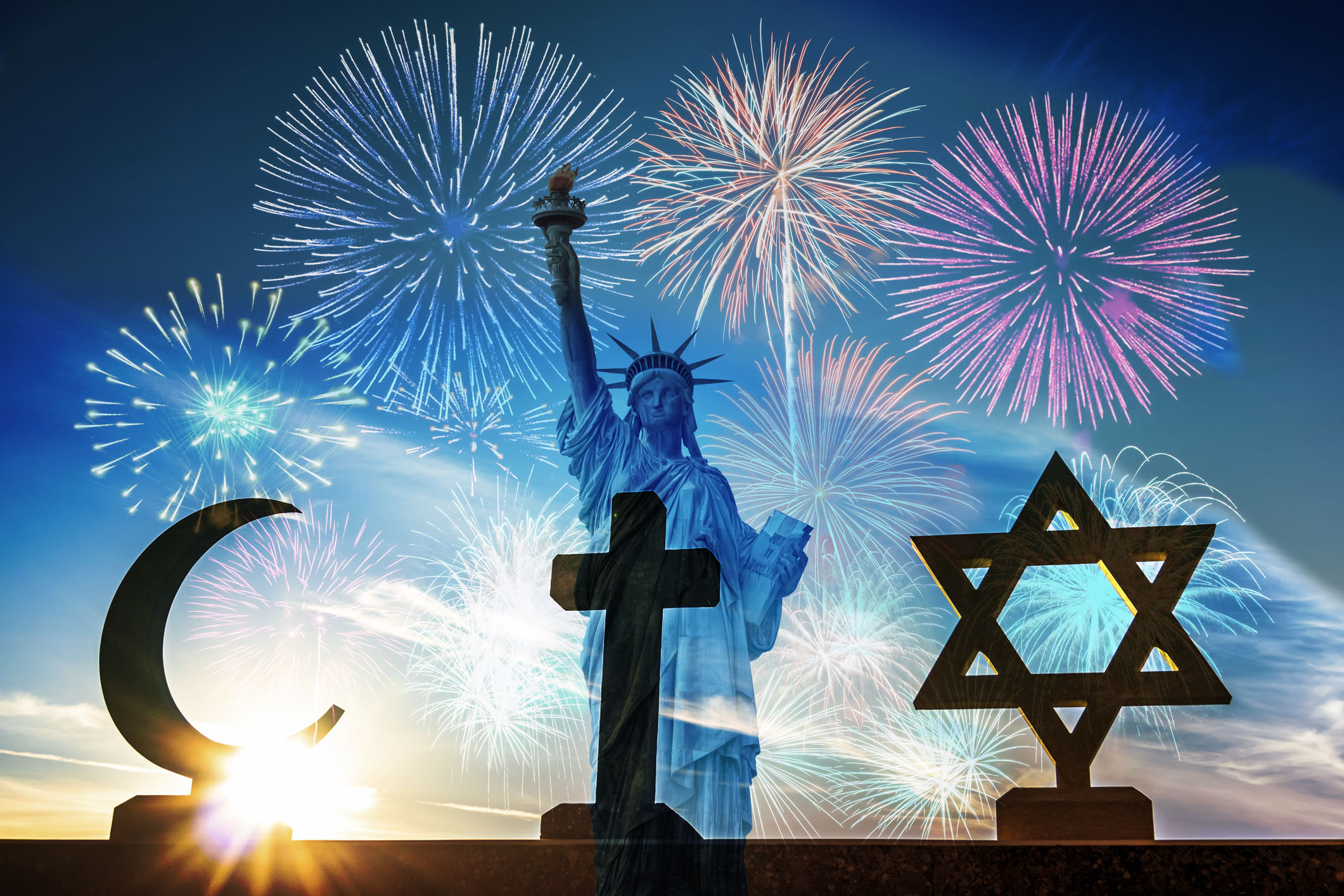
If there has been one fundamental freedom that has benefitted the Jews in America, it is surely the freedom to practice our religion and express our Jewish identity as we see fit. Despite the ill wishes of antisemites who make so much noise, that freedom is still enshrined in our foundational texts.
It is also enshrined in the foundational texts of Israel.
It was never more apparent than last Friday night, as my friend and I were returning from a Shabbat dinner in the German colony. Friday night in the holy of Jerusalem, as you might expect, is Jewish on top of Jewish on top of Jewish. There are few cars on the road. Pretty much everyone is walking in honor of the Shabbat, either to a meal or to a synagogue.
On Shabbat, Jewishness perfumes the Jerusalem air.
So you can imagine our surprise when we smelled the odd aroma of a late night barbeque. It came from a park to our left. As we approached to get a better look, we saw a large group of adults and children speaking in Arabic and having a wonderful time. Some were dressed in Muslim garb.
Muslims enjoying a barbeque in Jerusalem on a Friday night!
My first thought, of course, was that it didn’t quite fit the spirit of Shabbat. But as I reflected a little more, it struck me that it did fit the spirit of freedom– the freedom of religion in a city open to all religions..
Indeed, as it says in Israel’s own Declaration of Independence:
“The State of Israel…will ensure complete equality of social and political rights to all its inhabitants; it will guarantee freedom of religion and conscience; it will safeguard the Holy Places of all religions.”
Has Israel walked the walk? Here are a few figures from the Foreign Ministry website:
- The Muslim population of Israel has increased about ten-fold since the State was established; from some 156,000 in 1949 to over 1,454,000 today.
- There are over 400 mosques in Israel, of which some 73 are located in Jerusalem. The number of mosques in Israel has increased about five-fold since 1988, when there were 80 mosques.
- Approximately 300 imams and muezzins receive their salaries from the Israeli government. Israel provides the Korans used in mosques and funds Arab schools and many Islamic schools and colleges.
You can feel this freedom when you simply walk the streets of Jerusalem. The fact that Muslims stroll next to Jews, whether in malls or in the Old City, is taken for granted. It’s no big deal.
Yes, the horror of terrorism always hangs in the air; the horror of the remaining hostages in Gaza never leaves the consciousness. But what is remarkable is that despite all this darkness, despite all these existential threats, somehow, freedom of religion and freedom of expression have survived in this beleaguered country. That is also an Israeli miracle.
These freedoms hang in the American air as well, as the Jews know well, since we’ve been an integral part of the American story.
“America’s founding fathers believed that this new nation had the features of a New Zion or a Redeemer Nation,” Rubin writes. “Adopting a unifying Constitution was pivotal.”
In recent years, however, this unifying American spirit has been tainted by a demoralizing spirit of pessimism and cynicism. It’s naïve these days to talk about patriotism and loyalty to our nation’s founding ideals. It’s more fashionable or “progressive” to talk about the country’s irredeemable flaws.
But maybe that’s why we have special days like July 4th– so we can reflect not just on our flaws but on how far we’ve come. As we prepare to celebrate America’s birthday, let’s take a time out for gratitude for the freedoms we so often take for granted, in America and in Israel, including the simple freedom to enjoy a barbeque anytime we like.