Rabbi Abraham Twerski wrote repeatedly about low self-esteem: how people can be led to believe that their lives are meaningless and that they have made no difference at all. What a terrible way to live, and an even worse way to leave this life, believing that you’ve not made a difference.
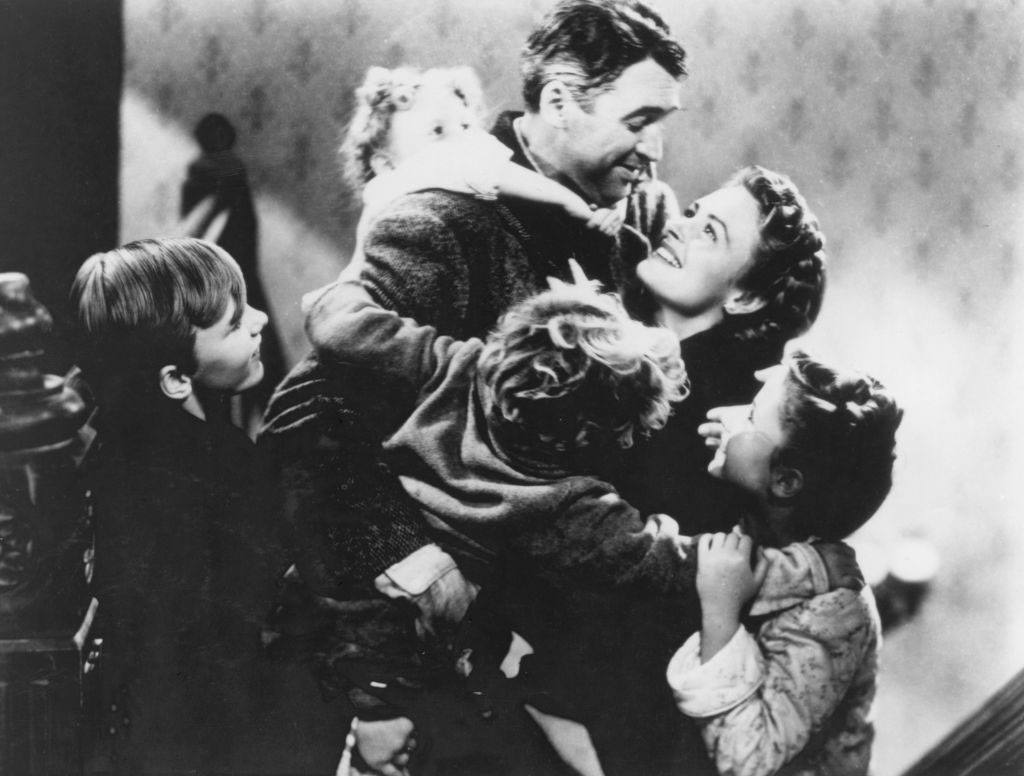
Thinking suicide was his only option, George Bailey (James Stewart), in the movie “It’s a Wonderful Life,” was lucky that Clarence the angel came to his rescue. By the end of the movie, George realized he had made a difference in this world. He had friends, a wife, kids, relatives and a loving God who sent an angel to help him. Yet, without Clarence the angel, he could not see how wonderful and meaningful his life was and who he had touched.
Since our lives are not movies, we cannot expect a Clarence to help us as one helped George. We can’t always see what good we’ve done in this world. If we are lucky enough to get even a glimpse, we need to tighten our grip and hold on for dear life.
Some days, no matter how many times I’m told I am loved and shown it, I still think, as George Bailey felt, I have added little to this life. Then, magically, or is it my personal Clarence, the clouds lift, the rain stops, and I think I am the luckiest person in the world, which I am, and so are many of you.
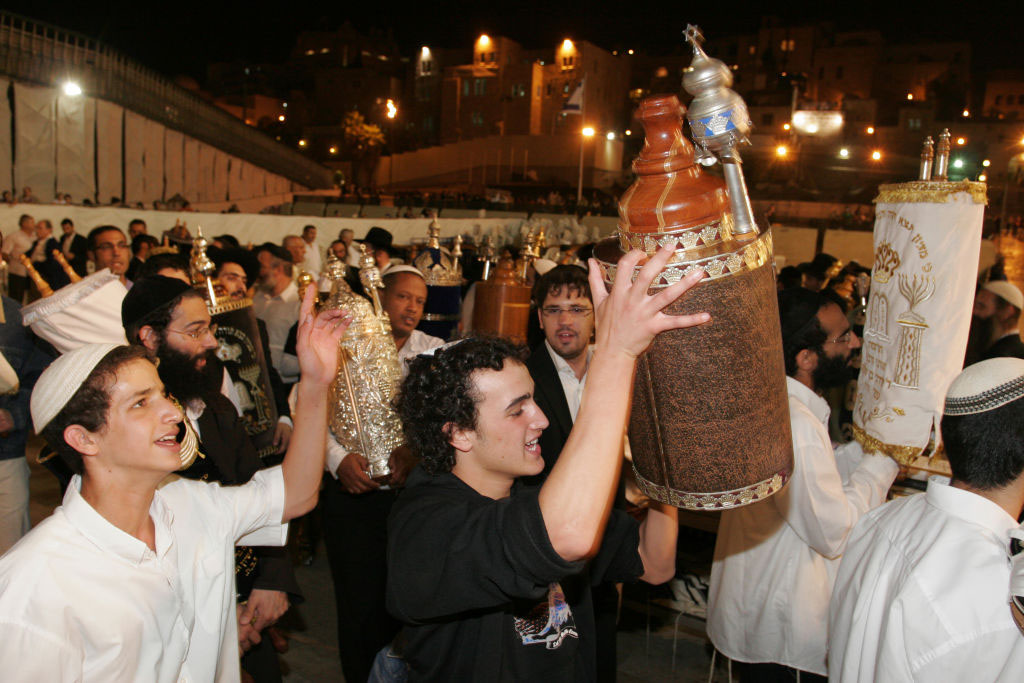
Even Moses, who did everything he could do for the Jewish people, could not understand why the Jewish people bombarded him with nonstop complaining. Even after being taken out of Egypt and crossing the Red Sea, they continued to complain nonstop about the food. They wanted meat, cucumbers, leeks, garlic and water, as they had for free in Egypt. Really, is anything free?
Like George Bailey, Moses felt he could not carry this burden alone and did not want to live. Even Moses could not see all the good that he had done in this life. Little did he know that thousands of years later, we would still be thankful for his leadership.
When I was six, and my aunt laughed at my jokes, she had no idea I would still feel her encouragement in my 70s.
Some Saturday nights my parents would let me pick out the movie we would go to, even if they couldn’t care less about my choice; they would go. I remember the nights my mother would make me dinner while experiencing a migraine headache. Their selfless acts encouraged me to be that way with my family and friends. Tears now come when I think about what it would mean to go with them one more time, with me in the back seat of our car, looking at my parents in front of me. Each one of those evenings was a miraculous moment. Those sacrifices still encourage me.
None of these people did these things because they wanted to be remembered. It was because they cared about me and wanted to teach and encourage me.
The saying goes, “Blessed is he who plants trees under whose shade he will never sit.” The good these people did for me, they will never fully see or understand. Like we do for our own children and grandchildren. Like the good deeds of those before us, which still light our path; many stars that burned out thousands of years ago still light up the sky today.
My wife and I recently went to San Antonio, Texas, to visit her 95-year-old aunt, Judy. We stayed with Aunt Judy for two nights. It made her so happy to know that she still makes a difference, and it encouraged her to keep going. When people are happy that you visit them, that’s a good sign you’ve made a difference.
Our job is to plant those seeds whose growth we may never witness. To do this, we need to remind ourselves that, however small and inconsequential those things seem, we have made a difference. And while “seeing is believing” may be true, believing without seeing is also true.
Mark Schiff is a comedian, actor and writer and hosts, along with Danny Lobell, the “We Think It’s Funny” podcast. His new book is “Why Not? Lessons on Comedy, Courage and Chutzpah.”