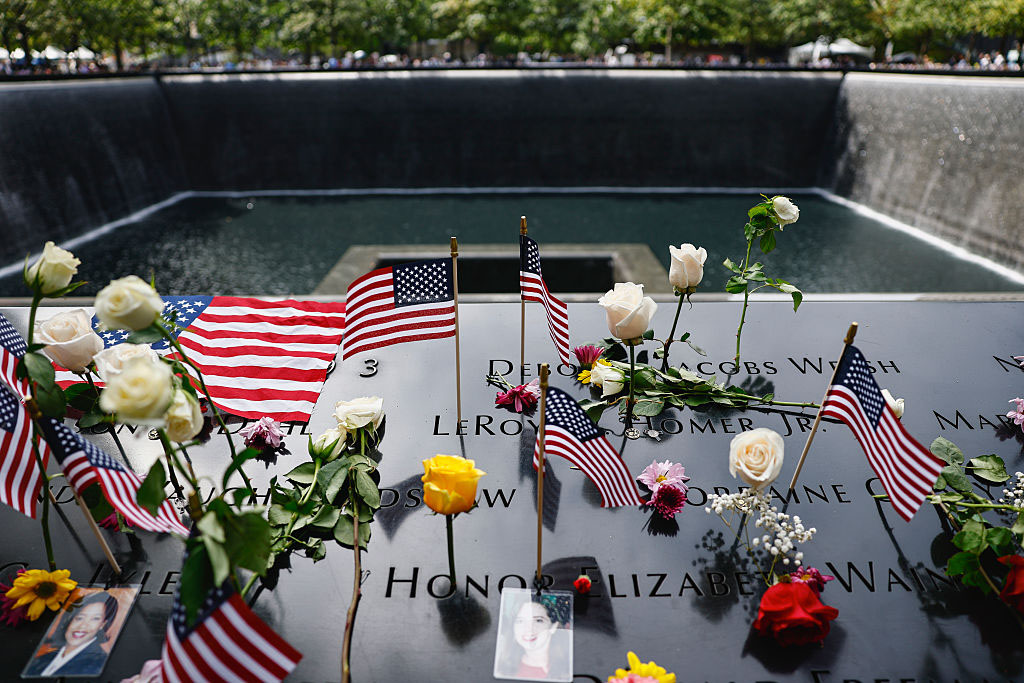

What have we lost, you ask? Not a person, not a place, but decades of something almost unbelievable: a span of time in this country when antisemitism quieted to a whisper.
It was not paradise, but it was a kind of reprieve, a breath held for decades, a pause in a hatred that has shadowed us for millennia.
Loss has many faces. The death of one we love. The slow erasure of a mind by dementia. The dismantling of a democracy once taken for granted. Now, to these, we add the loss of those quiet years, the vanishing of a fragile illusion: “Maybe this time will be different.”
This, too, is a kind of death, and like death, it is permanent. History tells us so, page after page of exile and edict, ghetto and pogrom, gas chamber and mass grave, all whispering the same hard truth: antisemitism, hatred of Jews, does not disappear. It mutates. It adapts. It sleeps. It never dies.
For a while, the Holocaust cast a long, shaming shadow. For decades it gave us something like a free pass, not freedom from hatred, but a buffer from its grossest forms, perhaps born of guilt, or horror too fresh to ignore.
But time erodes even horror. What was once unspeakable becomes a chapter, a footnote, a subject for denial, for distortion, for those who say it was not so bad, or did not happen at all.
And so the shadow lifts, and the old hatred steps back into the light. We are grieving. Each of us in our own way, whether we name it as grief or not.
Some of us write letters, hammering our sorrow into sentences and signatures. Some march in protests, feet pounding pavement like a heartbeat saying, “We are still here.”
Some of us moan and groan, complain to anyone who will listen, or to no one at all, because sometimes lament is the only language we have.
And some of us turn back, back to synagogues and study halls, to candles and blessings, to Hebrew words half-remembered, to stories told by grandparents in accents thick with elsewhere.
Because that is what antisemitism does, too: it presses us together, forces us to ask, “What does it mean to be a Jew?” and then, if we have the courage, to answer with our lives.
I am grieving the loss of an illusion, that we had finally outgrown this ancient poison, that education and progress had cured a sickness older than our temples’ ruins.
I do not know if there is a prayer for this kind of loss, for the end of an almost-peace, for the shattering of a fragile trust in the world around us.
But if there is none, then there should be: A prayer for the end of forgetting, for the courage to remember without surrendering to despair.
A prayer for the strength to be visibly, stubbornly Jewish in a world that sometimes wishes we would vanish.
A prayer for those years of quiet, for the comfort they gave us, for the naiveté they allowed for the dream they let us dream, that our children might never learn the taste of this old fear.
Until such a prayer is written, let this be its first draft, spoken not from a prayer book, but from the ache in our throats: We are grieving. We have lost our long reprieve. We stand once more in history knowing exactly where we are.
And still, despite everything, we answer with the oldest words we know: Am Yisrael Chai. The people of Israel lives.
We are grieving, and we go on.
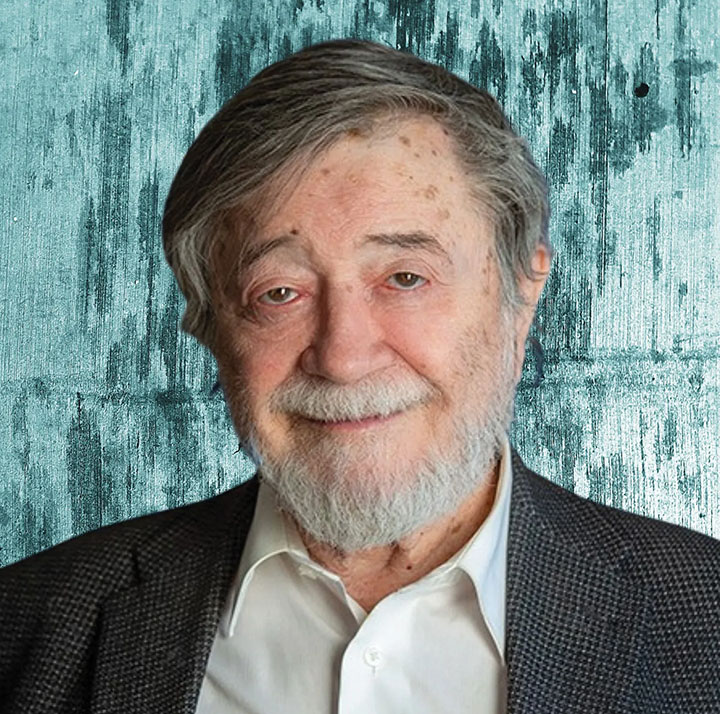
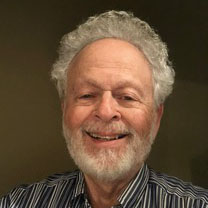
Jerry Mendel is USC Emeritus Professor of Electrical Engineering, and a long-time member of Culver City Temple Akiba, where he teaches a course on the history of antisemitism.