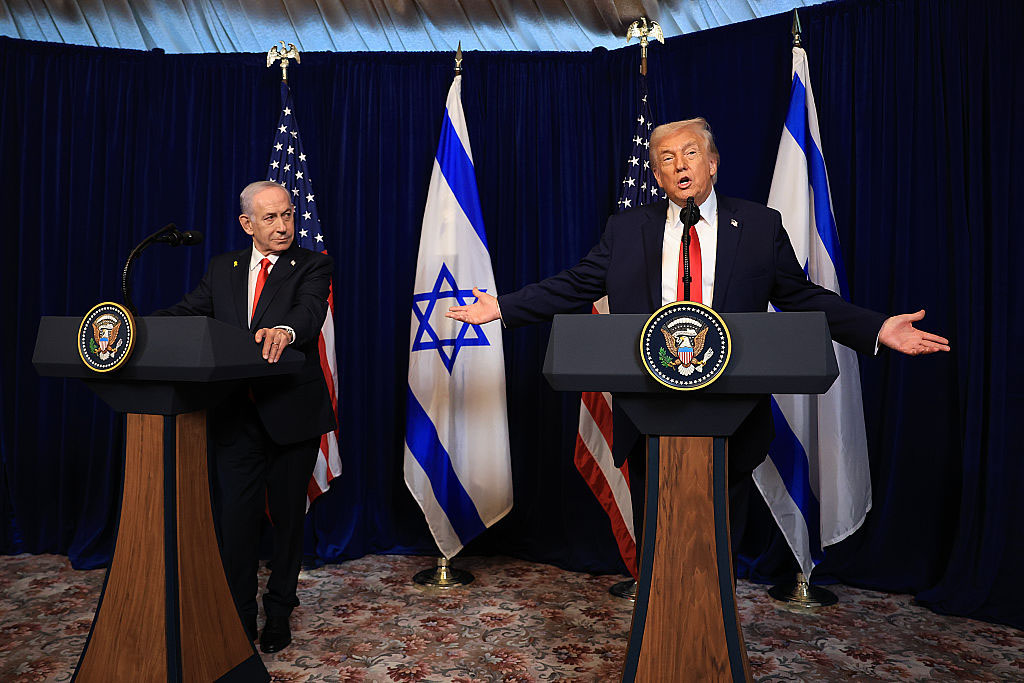
The most important Democratic surrogate in this fall’s midterm elections will be Benjamin Netanyahu.
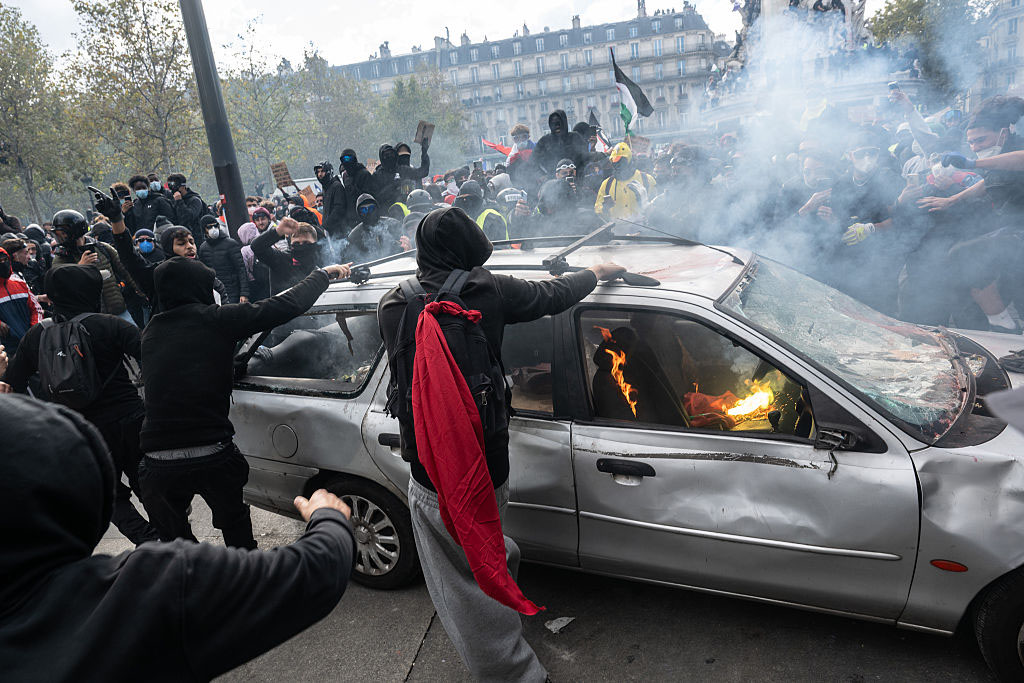
Now that the United States’ war with Iran may be almost partially and possibly somewhat concluded, Donald Trump has a strong vested interest in convincing the American people that the economic troubles that have dogged his second term in office are about to become a thing of the past. He admitted as much last week in a news conference on the sidelines of the G7 summit, when he identified the primary motivation for his almost complete capitulation to Iran as a way of ending the violence between the two countries that has cratered the global economy, devastated Trump’s own approval ratings and diminished Republicans’ chances to hold their majorities in Congress this November.
“I never want to be the late, great Herbert Hoover”, the president told an international assemblage of reporters, making it clear that he needed to avoid the continuing economic difficulties caused by the war as the U.S. midterm elections draw closer.
The spike in gasoline prices after the war began and the strait closed had unsettled American consumers and frightened Republican politicians. While Trump insisted a few weeks ago that he did not care about the midterms, his intervention in GOP primaries and his frequent references to the likelihood of a third impeachment if Democrats retake congressional majorities suggested that domestic political considerations are a major concern for him.
After the ceasefire was announced, gasoline prices quickly dropped and the stock market rose just as quickly. The president and his allies quickly trumpeted the economic gains, but there has been considerable evidence over the last several days that the peace with Iran is precarious at best and that both renewed violence and accompanying economic pain could return at any time. Iran’s leaders know this: they have been carefully watching gas and food prices and midterm election polls since the war began and Trump’s economic and political vulnerability have given them the confidence to withstand the brutal American and Israeli airstrikes they have been suffering. They are just as secure in their beliefs that Trump’s domestic challenges will prevent him from restarting the war and just as assured that there is almost nothing they can do that would force a military response from him. The Revolutionary Guard now has an almost unlimited free hand and they know it.
Now that Trump has proclaimed an overwhelming victory, he will hope that decreased inflation will be of more tangible importance to the American people than the somewhat abstract damage of international embarrassment. That will require a not insignificant percentage of voters to believe his assertion that the United States did achieve its goals in the Middle East and that the “unconditional surrender” he promised at the beginning of the war was achieved by him and not Iran.
There are numerous obstacles that will make it difficult for the president and his allies to successfully make that case, including furious Republican officeholders, invigorated Democratic candidates and skeptical swing voters. But it is already clear that Trump’s biggest headache will be Netanyahu, his erstwhile ally who now recognizes that continued loyalty to the American leader would cost him his own reelection this fall.
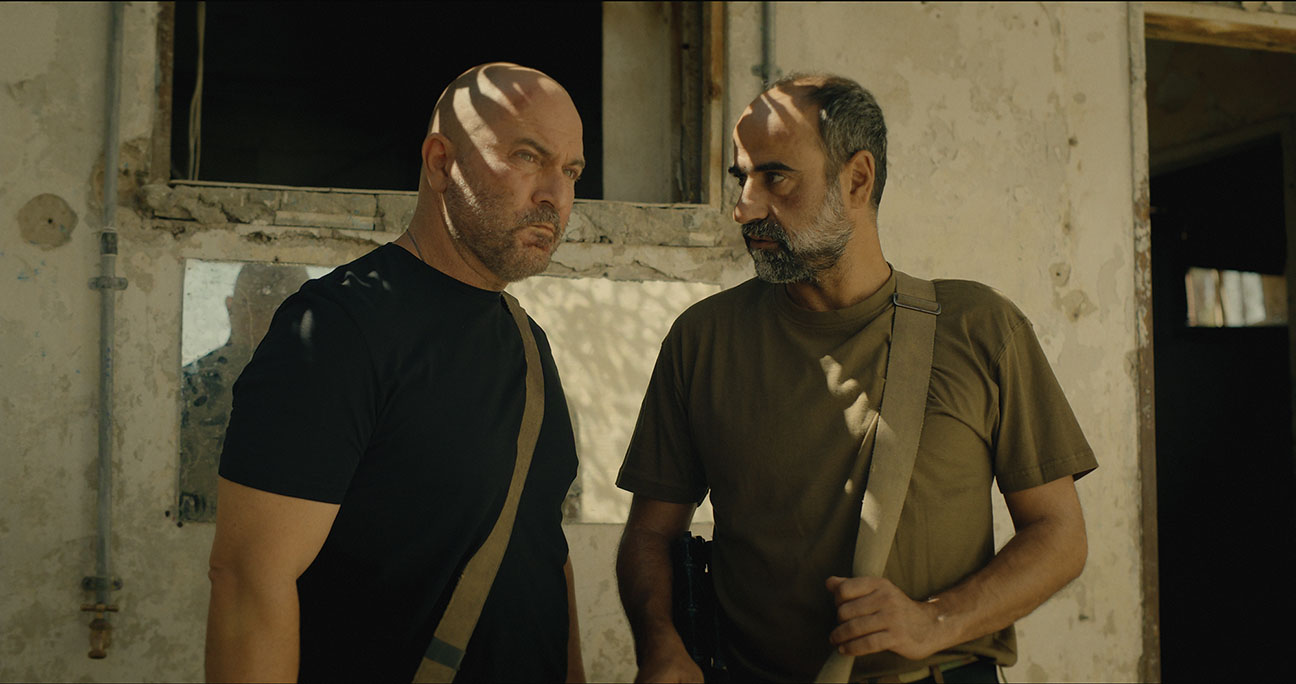
While Americans have the luxury of pretending that Iran did not dramatically enhance its economic and military power as a result of Trump’s decision to essentially forfeit the war, Israelis face a more unavoidable reality. They are violently reminded on a daily, if not hourly basis, of Iran’s renewed aggressiveness. Netanyahu cannot retreat from his war with Hezbollah: it would endanger both his own reelection chances and the continued existence of his country. By maintaining Israel’s armed presence in Lebanon and ordering direct military action against Iran’s terrorist clients, Netanyahu will frequently be reminding American voters of the hollowness of Trump’s claims.
Trump knows this, which is why he and his vice president have so sharpened their criticism of Netanyahu and other Israeli leaders. They cannot afford for Israel to prolong the war. But Israel cannot afford to end it. Neither can Bibi.
Dan Schnur is the U.S. Politics Editor for the Jewish Journal. He teaches courses in politics, communications, and leadership at UC Berkeley, USC and Pepperdine. He hosts the monthly webinar “The Dan Schnur Political Report” for the Los Angeles World Affairs Council & Town Hall. Follow Dan’s work at www.danschnurpolitics.com