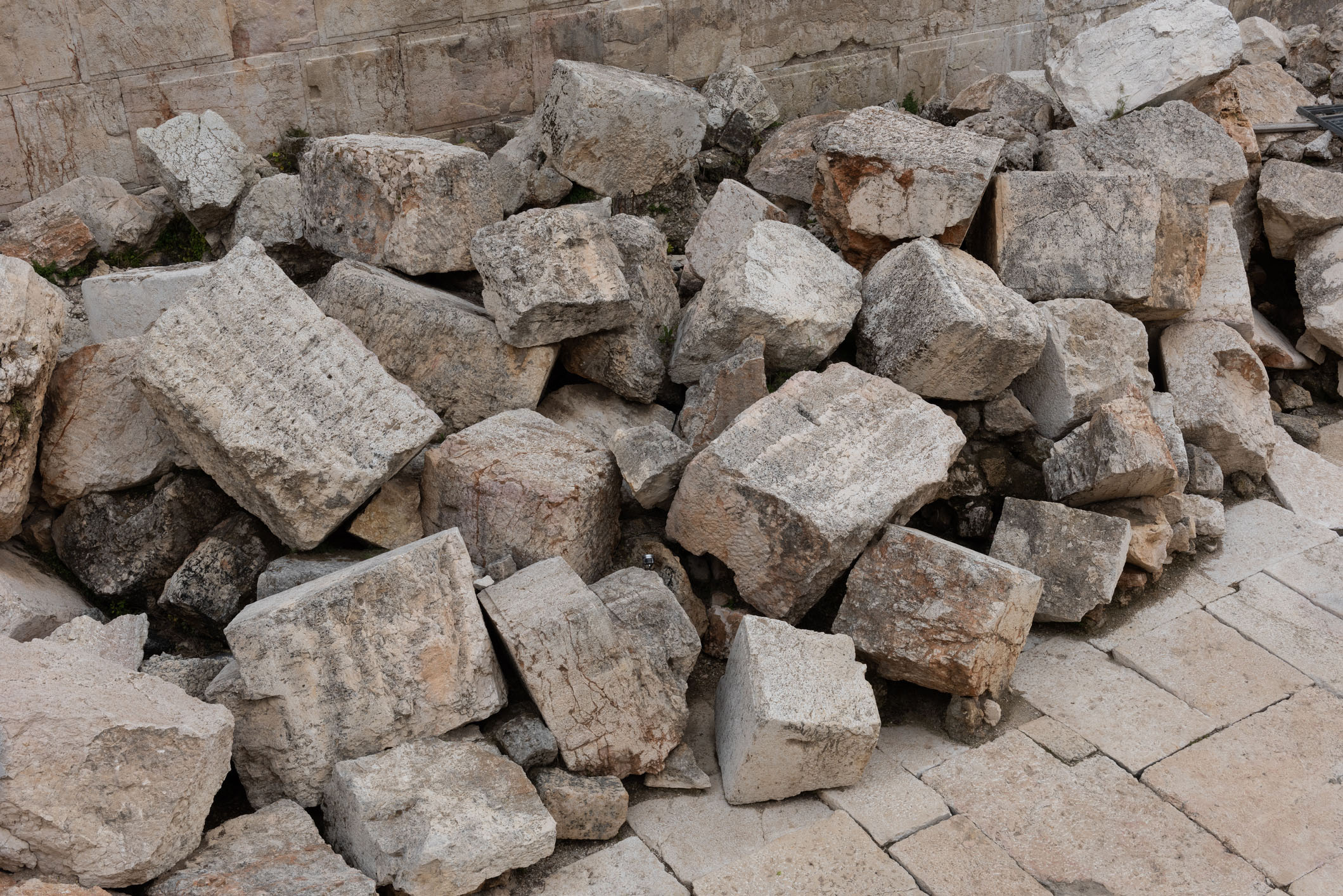
Shortly we will be honoring our next Holy Day, Tisha b’Av, the Ninth of Av. This date is dedicated to remembering one of our most dreadful calamities in Jewish history. Just over 2,000 years ago, in the year 70 C.E., the Second Holy Temple was destroyed, Jerusalem was set ablaze while blood filled the streets. The Jews were either slaughtered, taken captive or exiled, once again, this time to wherever our souls could rest. From the earliest moments in the land, G-d promised to our people, we have had to disperse, run away, and travel the world trying to find a home, a place of safety. Not until 1948 when Israel became our homeland, once again, had Jews discovered an inner sense of confidence and place, “Makom,” one of the names for G-d. From 70 to 1948 it has been a constant wandering, finding new environments in which to settle, engage, and create generational stories, a mixture of pain and suffering and some beautiful moments where our traditions could mature and flourish. Held together by common ceremonies, rituals and, most importantly Torah, somehow, we are still a People with a covenant with HaShem, One, despite cultural variations.
The description of the trauma and horrors witnessed and experienced by our people these centuries ago are reflected in the main text we read on this mournful day. Along with fasting, sitting together as if at a Shiva (ritual mourning, low to the floor, by candlelight, and chanting somber melodies and prayers, it is an opportunity to be grief-stricken and despairing, to feel “Ki Ilu,” “as if,” we walked the dark streets of Jerusalem, all aflame, hearing the inconsolable wailing and weeping of our brethren. Anyone touched by the Holocaust or the events of Oct. 7 has had their hearts broken apart. Tisha b’Av is but another opportunity to allow the tears of our inner Mikveh (Divine spiritual bath) to flow once again, releasing all that fills our souls.
Grief is an emotion we all know. Our lives are filled with loss, whether it be a loved one, a dream, a home, a job, strength and vitality due to illness, a belief such as truth or justice, a sign of aging and disability or even the false sense of security many Jews once had in this country. So many are grieving as American values feel torn apart. It is part of the human condition and the rabbis of old understood that along with joy, celebration, study and prayer, the emotions that are part of our ongoing life cycle need to be expressed and find safe keeping with others, whether in large community or even in small groups on Zoom.
Tisha b’Av is also a truth telling. The liturgy and text the rabbis created, often a weaving of Torah’s wisdom and creative commentary, was not only to support and lament, but also to teach and remind each one of us that we had a hand in the Temple’s downfall. We played a role in her demise, as she became vulnerable because of our behavior often seen as petty, inconsiderate, and even hateful. The prophets, throughout our texts, constantly reminded the people that their “sinful lives” would only bring destruction and G-d’s punishment. For many of our sages the Romans were just tools, used by G-d, to destroy the life the Jews once knew because their behavior deteriorated and ran amok. Sinat Chinam is baseless hatred, the overriding explanation that is at the root of our demise. And yet how many, in their deep hatred think it’s baseless? At a time when divisions are deep and judgment of others is so easy, destructive emotions surface so easily.
At best, what are the lessons for today to be learned? Don’t history and human failings need a way to carve out a different pathway, one that prevents such horrors? The feelings that so many account as legitimate only create more disharmony. Shouldn’t we work on softening our hearts and expanding our perceptions to avoid “baseless hatred”? Shouldn’t our grief teach us how to move forward with more compassion, empathy, righteousness and lovingkindness? After the pain, grief and the tears, lets expand and elevate our hearts with more openness towards others.
Eva Robbins is a rabbi, cantor, artist and the author of “Spiritual Surgery: A Journey of Healing Mind, Body and Spirit.”