
Transformation in the Jewish tradition seems to frequently begin in darkness: either in the literal sense of darkness or metaphorically in moments like imbalance, chaos, and/or descent. All of creation emanates by the Will of the Holy One when “darkness was upon the surface of the deep …” and G-d spoke, “Let there be light.” Through what the sages call the 10 utterances, the power of the Hebrew letters brings a sense of order, and all of the Universe is created. From the deep, black waters, beauty and structure are formed. From the depths of prison Joseph uses his words to make sense of mysterious dreams and rises to majesty and power in Egypt. These are examples of creative movement from a darkened reality.
In a few short weeks we come to another moment in time that is dark and painful, our first exile in Egypt. The fear within the new Pharaoh motivates the enslavement of the Israelites, despite all the good Joseph had done for Egypt and our people find themselves suffering a life of limitations and physical and spiritual deprivation. We are reminded, once again, of the darkness and depth of degradation as a seedbed for growing possibilities of freedom, rebirth and renewal. Just about six months after Rosh Hashana and Yom Kippur, when the dark and sinful elements in our lives are shifted and changed through T’shuvah, efforts to heal errors and omissions toward others, including G-d, we again face the history of our people. We also seek the places within, where Pharaoh lurks in our lives and inner enslavement, we often impose on ourselves. We also search for the chametz, those particles of self-inflation or expansive Ego, that prevent our light from shining as bright as we would like.
Both of these markers in the Jewish calendar also celebrate anniversaries – Rosh Hashana, the birth of the world and the human being, and Passover, the birth of Israelites as a people of the Covenant with Adonai, our G-d. Out of the darkness comes creation and fulfillment, a world of human beings with the Divine spark in each, and a partner for the Holy One, ensuring the light of Torah and Jewish values are expressed. Passover, considered the “first of months,” comes in the spring, the time when first buds appear, and the promise of regeneration and restoration take hold of each one of us. In the midst of such joy, we must identify and know personally what the exile feels like, what Adin Steinsaltz called to “relive history within himself.” Every holiday through the year becomes an opportunity to personalize its meaning and potential. Passover with exile and liberation have inspired many beyond our own people to protest, including the French Revolution and our own American Revolution.
The ritual of the seder meal, which literally means “order,” demands the reliving of the slave becoming free and journeying through the Sea of Reeds, the womb of the Holy One, to the other side of darkness, to the light of Sinai, where freedom is transformed into responsible partnership with G-d. Out of chaos, pain and disorder we discover potential for awakening and resurrection, leaving a life of “dying,” to a life of potential and vitality. Watching as the ten plagues impacted the people of Egypt, including their homes, families and livestock, the Israelites came to witness the power of the G-d through the destruction Egypt as well as all of the gods that were worshiped, including Pharaoh himself. Seeing with their own eyes, they came to know Adonai and were filled with “awe,” for the One True G-d. Watching the sea “turned into dry land,” only reinforced their astonishment and reverence, and arouses for us hope. Through the difficult and challenging moments we faced in our history, the unimaginable becomes possible.
When so many feel disillusioned and powerless, we relive the Exodus. We are reminded that when we fall down it is in order to rise up, stronger and more resilient. When darkness consumes our country, it is an opportunity. When chaos is ever present, our actions are meant to bring order, seder, better understanding, and the unfolding potential of expanded Divine presence.
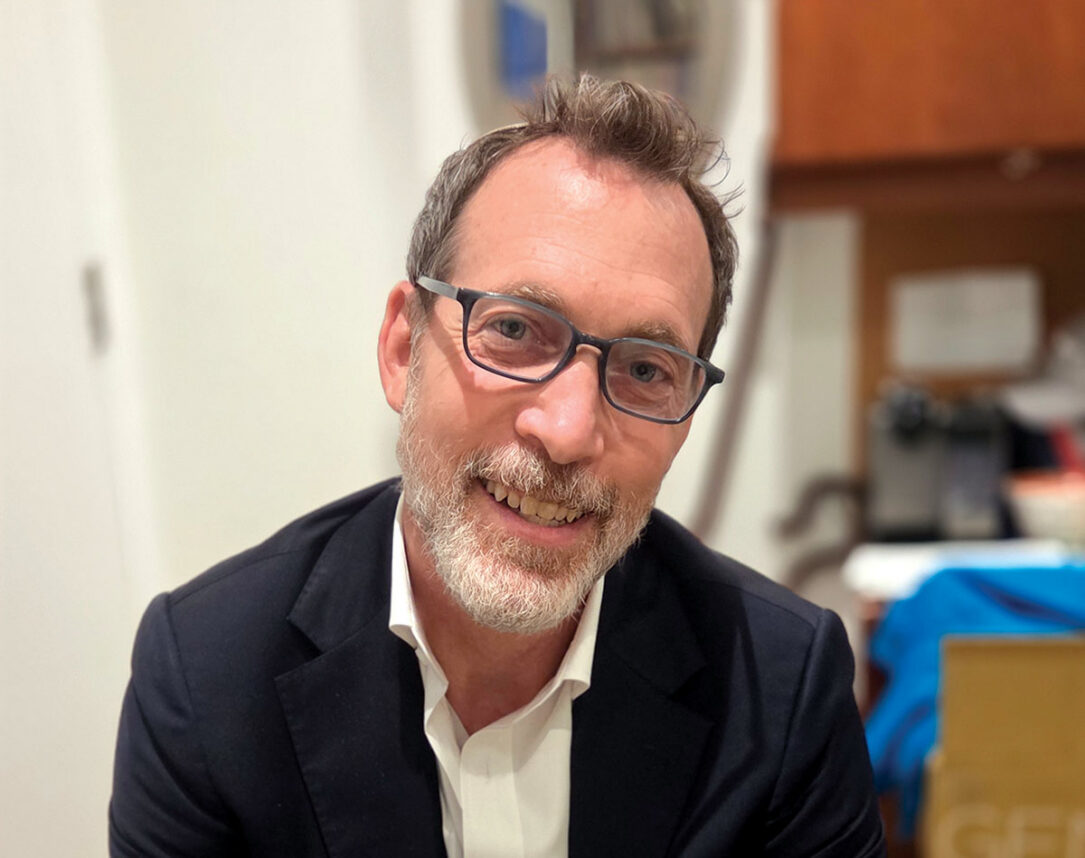
Eva Robbins is a rabbi, cantor, artist and the author of “Spiritual Surgery: A Journey of Healing Mind, Body and Spirit.”