
Last week’s Torah portion, parashat B’shalach, celebrates the extraordinary event during our exodus from Egypt wherein we cross through the parted waters of the sea of reeds—a pivotal moment in our journey of liberation. As I reflect upon this part of our people’s story, I cannot help but think of our brave sisters and brothers who, after over a year of captivity, have gone from darkness to light in the past few weeks. We rejoice in their freedom just as we rejoice in that of the Israelites in this week’s parasha, and we will continue to pray and advocate for the safe return of every last one of the hostages.
Before it chronicles the parting of the sea, parashat B’shalach presents us with a surprising and theologically perplexing detail in its opening verse: “Now when Pharaoh let the people go, God did not lead them by way of the land of the Philistines, although it was nearer; for God said, ‘The people might have a change of heart when they see war and return to Egypt.’” (Exodus 13:17)
“Might”? Doesn’t God know the future?
The great medieval commentator, Ibn Ezra, acknowledges this difficulty: “We know for certain that God knows the future. God knew that the people would repent if they were led by the way of the land of the Philistines. The Torah says ‘might’ because it speaks in human language so that we can understand.”
In other words, Ibn Ezra insists that God’s knowledge is absolute; the Torah simply frames concepts in a way that makes them accessible to human beings. And yet, if we read the verse literally, it implies a theology in which not even God knows what the future holds. If this is the case, it follows that we should then be much more cautious when attempting to predict the outcomes of our decisions and actions.
This past decade has made me much more humble when considering what we humans claim to know and far less sure about what will come to pass.
COVID.
Politics.
The precipitous rise of antisemitism.
The degree to which Israel has been demonized around the world, falsely accused of committing the most heinous act imaginable: genocide.
I wouldn’t have predicted any of these things. I wouldn’t have believed some of them if you had told me that they would happen. And so it goes.
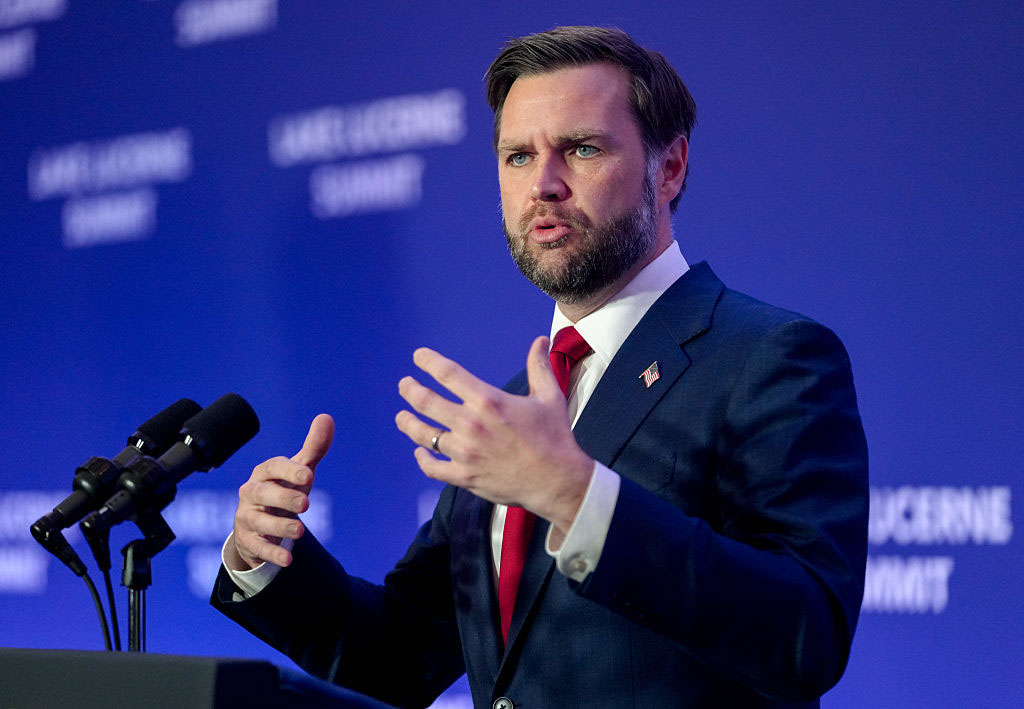
Last week, we saw headlines out of Washington, D.C. that none of us could have imagined. The President of the United States, with the Prime Minister of Israel standing beside him, stated: “The U.S. will take over the Gaza Strip, and we will do a job with it too. We’ll own it and be responsible for dismantling all of the dangerous unexploded bombs and other weapons on the site, level the site and get rid of the destroyed buildings, level it out. Create economic development that will supply unlimited numbers of jobs and housing for the people of the area. Do a real job, do something different.”
There is debate around what his comments mean for the Palestinian people living in Gaza today. Would they be forcibly transferred to other countries? Would they be given a choice to leave? Would they ever be allowed to return? Would United States troops be on the ground in Gaza during this time? Who would control the territory more permanently? It’s not clear yet what the President intends to do or what the outcomes will be. Throughout the Middle East and around the world, though, commentators are making their predictions.
As lovers of Israel who call America home, as Jews who care deeply about the eternal values of our tradition, as human beings with empathy for innocents on the other side who have been so terribly served by the Hamas terrorist regime that controls so much of their lives, we wonder:
What does this all mean for Israel? For America? For the people of Gaza?
What does this all mean for Israel? For America? For the people of Gaza?
What does it mean for the hostages—those still alive, those who have been murdered, and those whose fates remain unknown?
What does it mean for ordinary Palestinians who aspire to realize their dreams of sovereignty, just as we have realized ours? What does it mean for the broader region, for our hopes for peace and normalization with countries such as Saudi Arabia and many others?
Here is what I know for certain: We do not yet know what this means. Perhaps only God knows.
Perhaps not even God knows. For now, I am prepared to wait and see what unfolds. Who can say? Just as it was for our Israelite ancestors, deliverance might still be forty years away—or, it could be just around the corner.
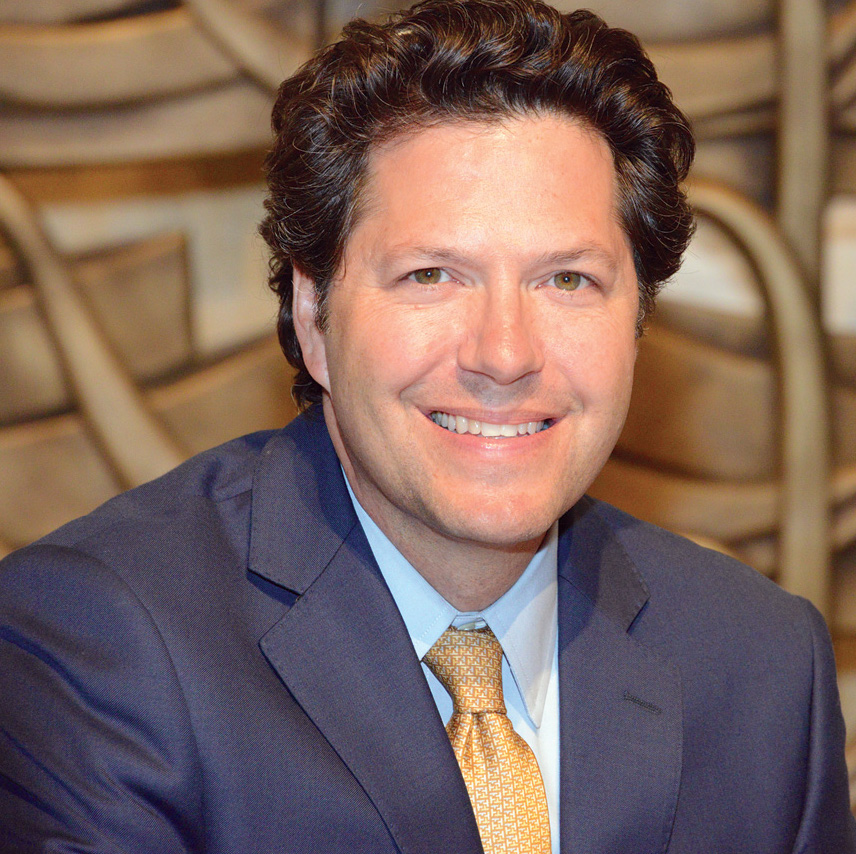
Rabbi Yoshi Zweiback is the Senior Rabbi of Stephen Wise Temple in Los Angeles, California.