Nostalgia for our traditional High Holy Days observances is kicking in already. The twinkling lights and botanic gardens where we typically host thousands for our holiday services will be replaced with computer screens and smartphones this year. As we navigate the new normal, there’s no doubt we’re grieving. With Rosh Hashanah and Yom Kippur upon us, we’re especially grieving the connection, togetherness and sense of renewal formed while celebrating in person as a community, rather than gathering around another screen.
This moment notably calls on our spiritual leaders for guidance and hope as we push through the months of quarantine and social distancing.
One question many of my clergy colleagues and I are asking is: How do you lead a community when you feel drained and lost? Even though spiritual leaders are uniquely positioned to ease feelings of heightened anxiety and loss, we’re people, too. We’re suffering our own losses and doing our best to care for our own families during this uncertain time. Yet, we’re ultimately the ones who must lead, standing strong to offer comfort, solace and healing — no matter what emptiness we may be struggling to stomach.
As a rabbi for Judaism Your Way, based in Colorado, my rabbinic team and I are preparing to prerecord services, ensuring we virtually reach as many people as possible during this trying time. The stark difference of entering an isolated recording studio without the warm voices and lights of the Denver Botanic Gardens surrounding me for the High Holy Days is disorienting and unfamiliar. I’m struggling with the idea that I am not only recording services on my own but will then have the opportunity to participate in my own services on Rosh Hashanah and Yom Kippur. What’s a rabbi to do in these unprecedented times of spiritual crisis?
We’re ultimately the ones who must lead, standing strong to offer comfort, solace and healing — no matter what emptiness we may be struggling to stomach.
That’s where the theme of the High Holy Days, specifically Yom Kippur, resonates: teshuvah, which traditionally translates as introspection and repentance. It is the recognition and promise to return to our integrity, with ourselves, in our relationships, with our wider communities and with the Earth. It’s where we reflect on our past and present, and make amends with ourselves and one another for a different relational future. The High Holy Days give us the chance to focus on where we are in our lives and assess with sobriety and clarity how we want to build the world in which we seek to live. It’s a chance to recommit to how we can do better in the coming year. Practicing teshuvah in Jewish spiritual tradition involves a moral and ethical reckoning with ourselves and one another.
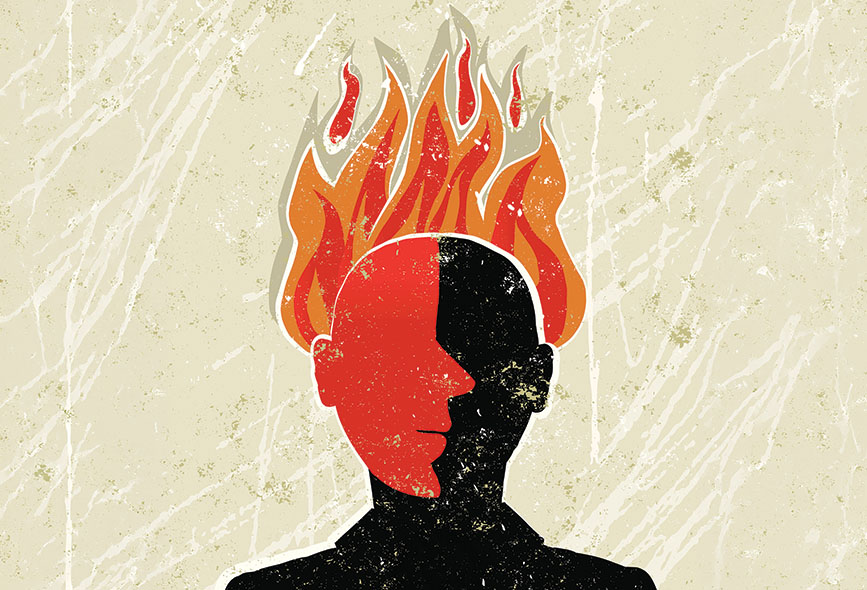
As spiritual leaders, we must lean into this reckoning — personally and professionally. This year, with the pandemic, global uprisings for racial justice and a planet on fire, we are acutely in need of a return to integrity. It calls for truth-telling and the courage to engage in the hard work of accountability, repair and reconciliation. It’s a moment to imagine what our country might look like if we truly practice the values of inclusion and equity. We have the choice and the chance to embrace compassion and justice with one another as a path toward a livable future on this planet.
None of us were prepared for reinventing spiritual gatherings, homeschooling our kids or not seeing loved ones for months at a time. But we’re making necessary changes to adapt. The same goes for all leaders. This is the moment to walk our talk and heal our broken world. Let the call to compassion and justice motivate you to answer your community. Life as we know it has been upended, and we must show up this year to do the work the High Holy Days are asking us to do.
Rabbi Caryn Aviv is the rabbinic and education director for Judaism Your Way.