Within the past few years, our society has been undergoing a long-overdue shift in the ways we discuss and address mental, emotional and social health (MESH). Rather than stigmatizing or ignoring these challenges, I can sense new openness, transparency and accountability on an individual, institutional and societal level.
And yet, as our understanding of these issues continues to grow in complexity and impact, we must continue to evolve our strategies for helping all those in need. This is especially important for those of us working in youth-serving organizations.
The statistics paint a sobering picture. According to research shared by the National Council of Behavioral Health, 50% of all lifetime cases of mental illness begin by age 14 and 75% by age 24. Data from the American Foundation for Suicide Prevention in 2016 found suicide to be the second leading cause of death among youth ages 10 to 24 in the U.S. Finally, according to the National Alliance on Mental Illness, 13% of children from ages of 8 to 15 experience a severe mental disorder, and of those children, barely more than 50% receive mental-health services.
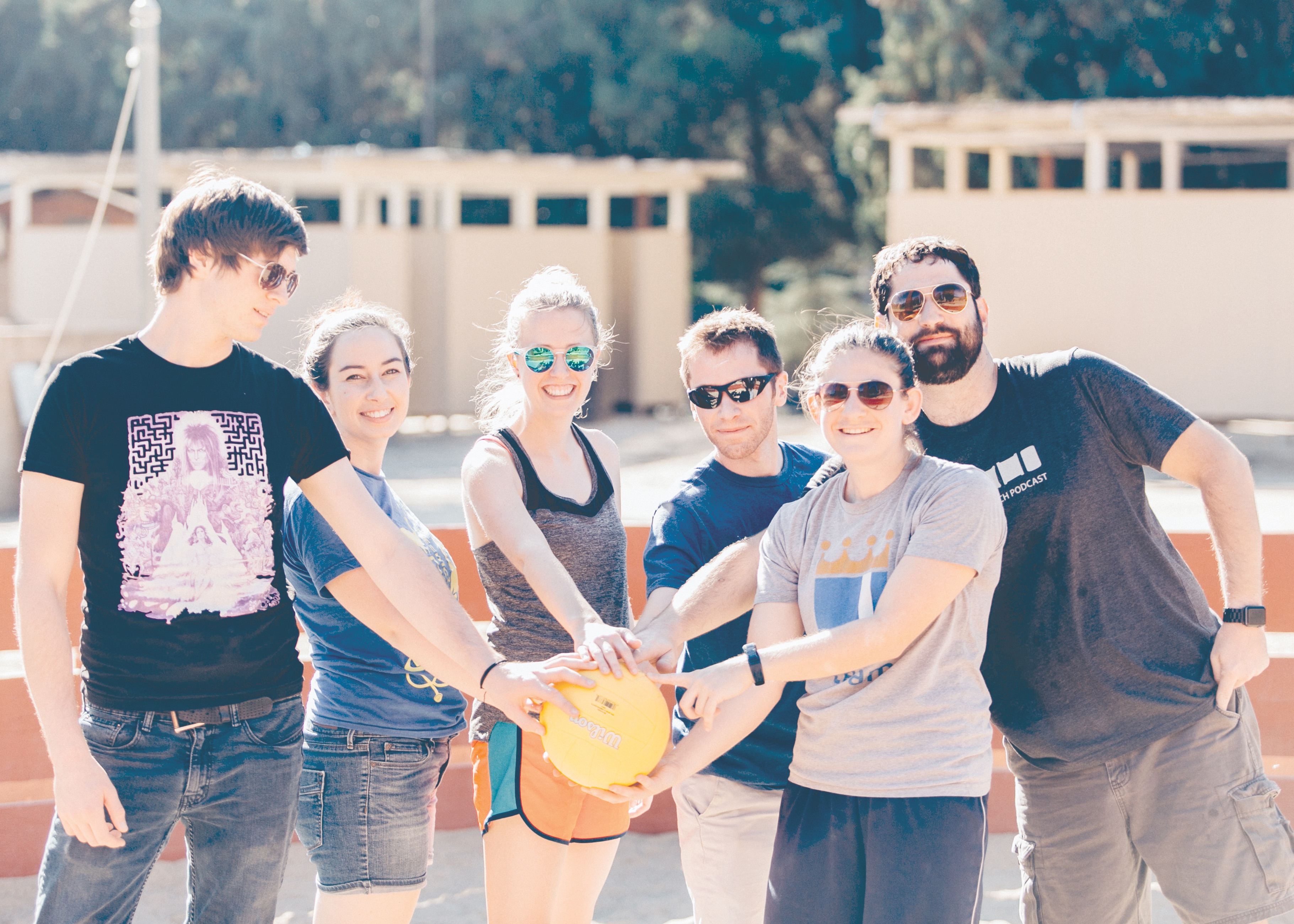
As CEO of Foundation for Jewish Camp (FJC), I have the privilege of observing firsthand how camp can positively impact the lives of young people. With this privilege, however, comes a great responsibility. The majority of campers and staff are in the precise age demographic in which the majority of mental health illnesses develop, and when our support, understanding and care are most needed.
The majority of campers and staff are in the precise age demographic in which the majority of mental health illnesses develop.
For many campers and staff, we know camp can pose a multitude of challenges — living in close quarters, new social situations and departure from a typical routine — all of which can trigger unique mental, emotional and social health needs including anxiety and depression. Building on a pilot project for New York-area camps supported by UJA-Federation of New York’s Neshamot Fund, FJC has created a new initiative to elevate the standard and culture of care for the North American Jewish camp community.
“Yedid Nefesh: Nurturing Mental, Emotional and Social Health at Jewish Camp” is a groundbreaking new FJC program, made possible by an unprecedented $3.2 million grant from the Marcus Foundation. Yedid Nefesh,” which means “Beloved Soul,” refers to FJC’s understanding of the need for a multifaceted, whole-person approach to wellness as individual souls and as a community. Many Jewish communities sing these words at the start and end of Shabbat, so, too, must Jewish camps think about nurturing campers, staff, and their families.
This new initiative will provide funding to approximately 60 camps over three years to increase services, capabilities and awareness in addressing MESH needs in their communities. Camps will be able to add qualified mental health professionals to their staffs, enhance counselor training, integrate wellness programming into activity areas, and create cultural change within their camp communities year-round.
Jewish camp’s intense and immersive environment encourages community members to be vulnerable, enabling the spiritual and intellectual growth which makes camp so special. This is why camp is such a powerful tool for developing Jewish identity and socialization. It is also why Jewish camp is the perfect atmosphere to help campers, young adult staff and professional camp leadership build resiliency and learn to proactively address self-care.
The growing awareness and evolving complexities of mental health challenges in our society necessitates that camps be equipped with enhanced staffing and training at all levels to ensure proactive support for the mental, emotional and social health needs of every community member.
With Yedid Nefesh, Foundation for Jewish Camp aspires to elevate the field of Jewish camp to nurture every beloved soul. Through this effort, we can build more caring, more inclusive and more resilient communities at camp — and beyond.
Jeremy J. Fingerman is the CEO of the Foundation for Jewish Camp.