Just when it seemed as if our community was irreversibly engulfed in the flames of bitter political divisiveness, along came a devastating fire whose relentless flames created a bridge between us, if only temporarily.
The Getty Fire broke out on Oct. 28 along the 405 freeway, forcing thousands to flee their homes as the wind-driven flames quickly spread in what seemed like a near-apocalyptic scene in the hills near the Getty Center.
Seemingly overnight, my left-wing friends stopped posting about the impeachment inquiry against President Donald Trump, and right-wing friends stopped defending Trump’s withdrawal of American troops from Syria, and both groups offered shelter to those who were forced to leave their homes because of mandatory evacuations.
As much as my heart ached that a part of my city was on fire, it was a welcome relief to finally see some unity among friends and colleagues.
The offers of help were beautiful in their no-questions-asked altruism: “Anyone displaced by the fires and needs a place to crash, please don’t hesitate to ask,” read one. Another friend who, along with his wife, owns Wiggle & Work, a co-working space for on-demand enrichment programs for babies and toddlers, posted, “If you know anyone affected by the fires who has a child ages 0-3, please let them know they can come get a break at our playground for free.”
It may seem like a given that people would have offered such help, but I think it was remarkable.
Schools, synagogues and organizations also rushed to help families that needed a place to stay. Milken Community School created displaced family forms; Valley Beth Shalom Synagogue offered counseling services; Chabad of Pacific Palisades opened its campus and made a special effort to reach out to seniors affected by the fire; Sinai Temple offered meals and respite to evacuees. All this was just the tip of the iceberg of assistance from the local Jewish community.
As much as my heart ached that a part of my city was on fire, it was a welcome relief to finally see some unity among friends and colleagues. The offers of help were beautiful in their no-questions-asked altruism.
I was particularly struck by offers from friends to host strangers overnight — not because these friends were risking their safety by inviting strangers sleep in their homes, but because their guests might be someone on the opposite side of the political spectrum.
Maybe somewhere in West Los Angeles, a Trump supporter was given a place to sleep by a Bernie Sanders loyalist, although the former might have kept his politics to himself for fear of having to sleep in the doghouse — outside.
Leaders and volunteers of synagogues that opened their doors to evacuees didn’t care whether those in need were unaffiliated or ultra-Orthodox, progressives who champion the rights of refugees or conservatives who attended a Trump fundraiser last month.
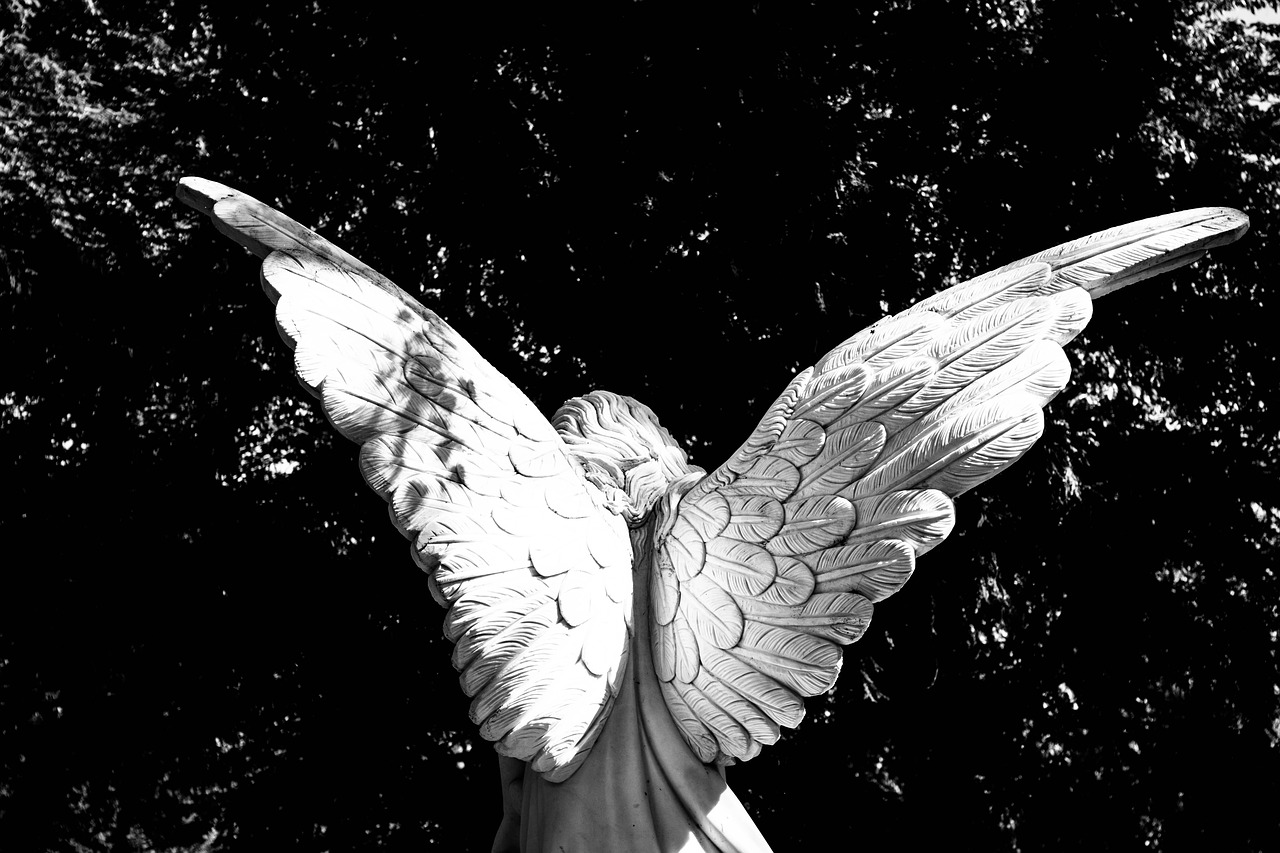
As it turned out, the better angels of our nature emerged not from clear, blue skies, but from the hideous hues of raging fires.
Can we ever reach a point where, short of a natural disaster, our humanity supersedes all of the other rigid criteria we stubbornly apply when deciding whom we embrace and whom we reject?
I’m not sure. To tell you the truth, it feels wrong, or at least premature, to get too philosophical at this point. We’re still in emergency mode. There are fires to extinguish, people to house, prayers to recite.
But let’s at least take a moment to recognize the humanity and solidarity in our community that have arisen from this burning darkness.
Whether it lasts or not, it’s a sight to behold.
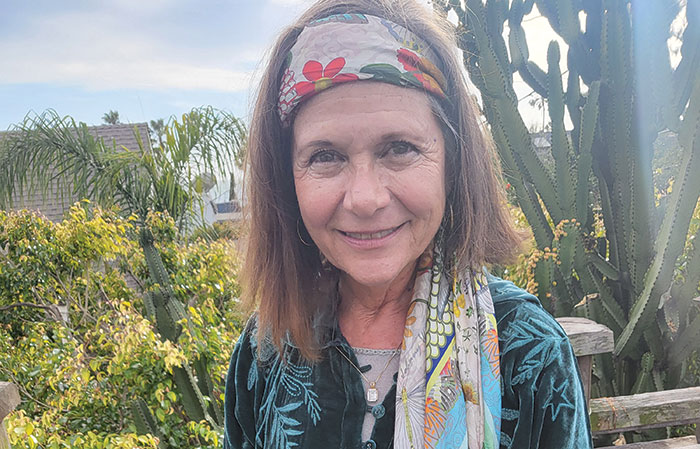
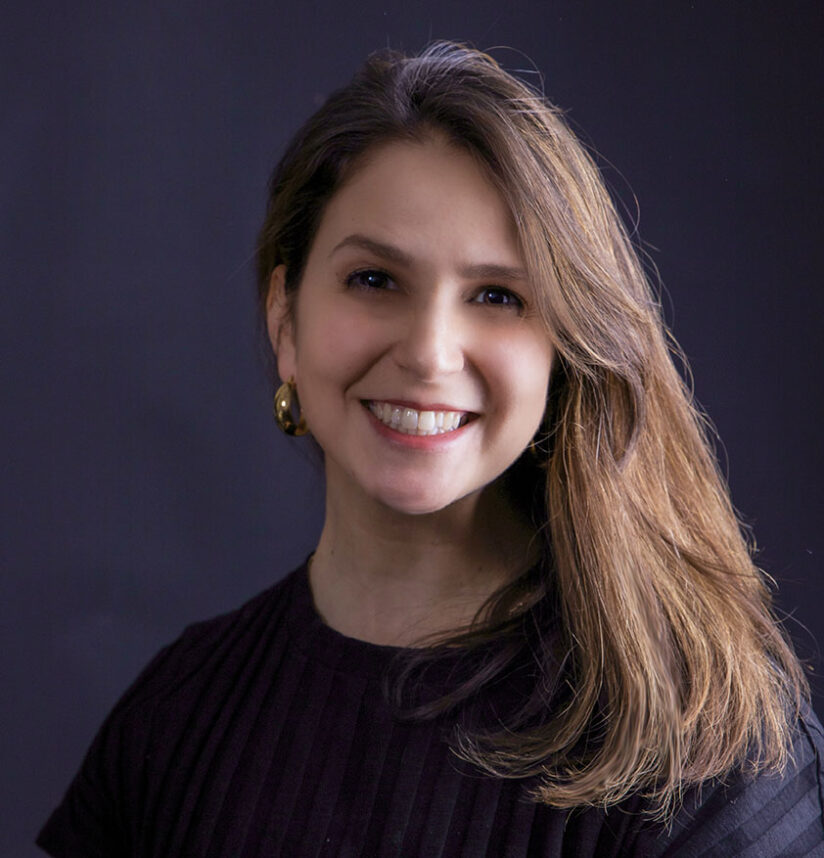
Tabby Refael is a Los Angeles-based writer and speaker.










 More news and opinions than at a Shabbat dinner, right in your inbox.