

Let’s say a young man sprays “John loves Sally” onto a wall to celebrate his new love. It may be a misdemeanor because it damages property, but otherwise it’s harmless graffiti. So too when John then sprays the symbol of his favorite white supremacist band. But when he scrawls a swastika and “Death to the Jews” on the Jewish cemetery wall, it is a genocidal threat.
The slaying of innocent Jewish lives in Pittsburgh by accused gunman Robert Bowers, who turned his rhetoric about killing Jews into the actual killing of Jewish people, is the latest example of many centuries that evidence such behavior. The history of anti-Semitism is strewn with the corpses of Jews who could not get out of the way when words turned to violence. This is not a matter for the Jews alone; rather, the problem belongs to our entire society in not recognizing the lethal potency of anti-Semitism.
Let us be clear: This is not just hate speech, this is an explicit threat. We need laws to allow intervention much earlier, or this will not be the last time we see Jewish people die in America because they are Jews.
We need no reminder that the Nazis were the masters of rhetoric. No one should have been surprised when Hitler murdered the Jews, because the logical ramification of everything he wrote and said was the extermination of the Jews. The book, “The Yellow Spot: The Extermination of Europe’s Jews” was published in 1936. It was clear to the authors four years before the Final Solution began that some kind of final solution was inevitable, based on what was being said.
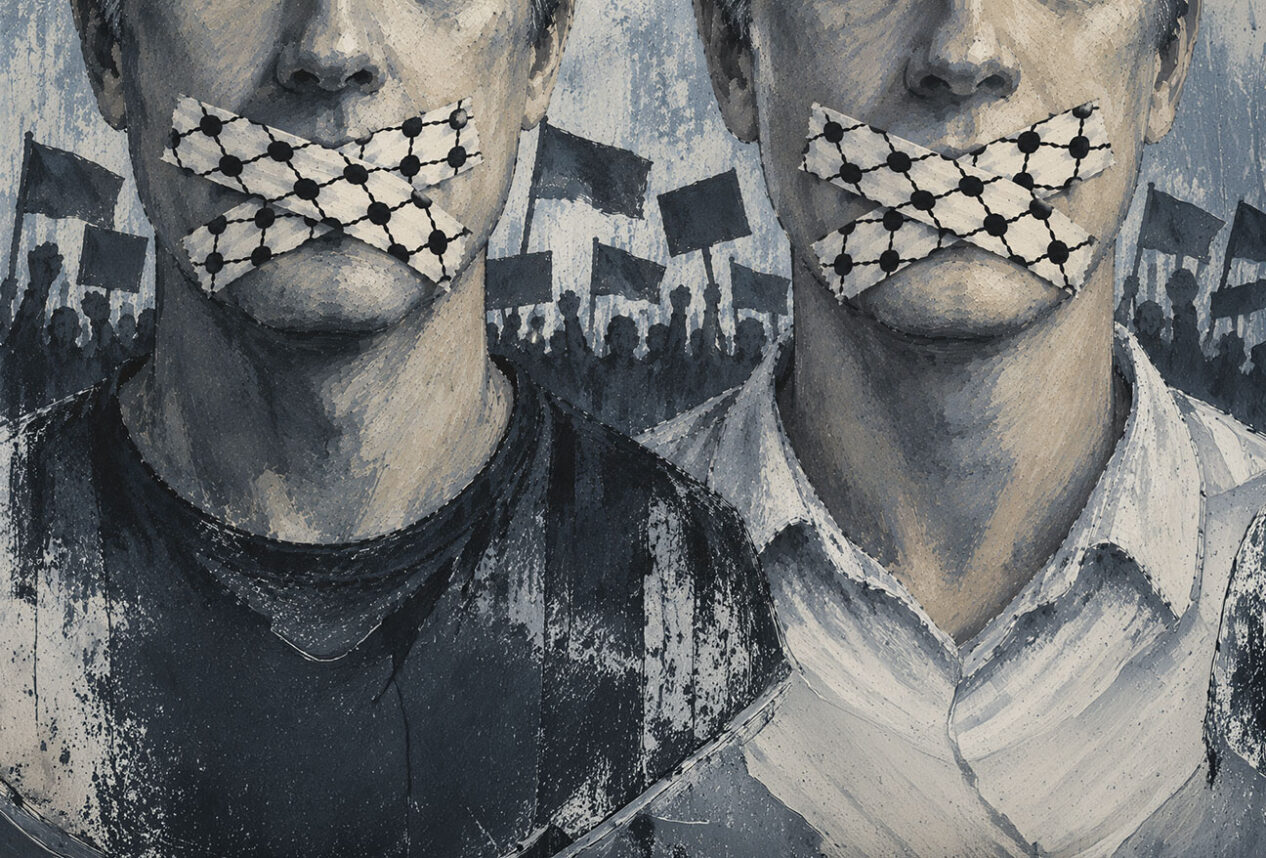
“There is a difference between speech that is hurtful but not harmful, and speech that is demonstrably harmful in its own right.”
There is legal precedent following the Rwandan genocide, as determined by the International Criminal Tribunal for Rwanda established by the United Nations Security Council. Ferdinand Nahimana is serving time for running a radio station that incited hatred; Simon Bikindi is serving time for writing songs of hatred. Yes, a musician was given a life sentence by an international tribunal for song writing. The only conclusion: words can and did kill.
Several European countries outlaw Holocaust denial. These preventions of speech have nothing to do with fact-checking history in the courts; that would rail against everything that free speech laws are made to protect. But because there is a fundamental recognition that speech denyjng the Holocaust carries with it the inherent threat of the original crime itself.
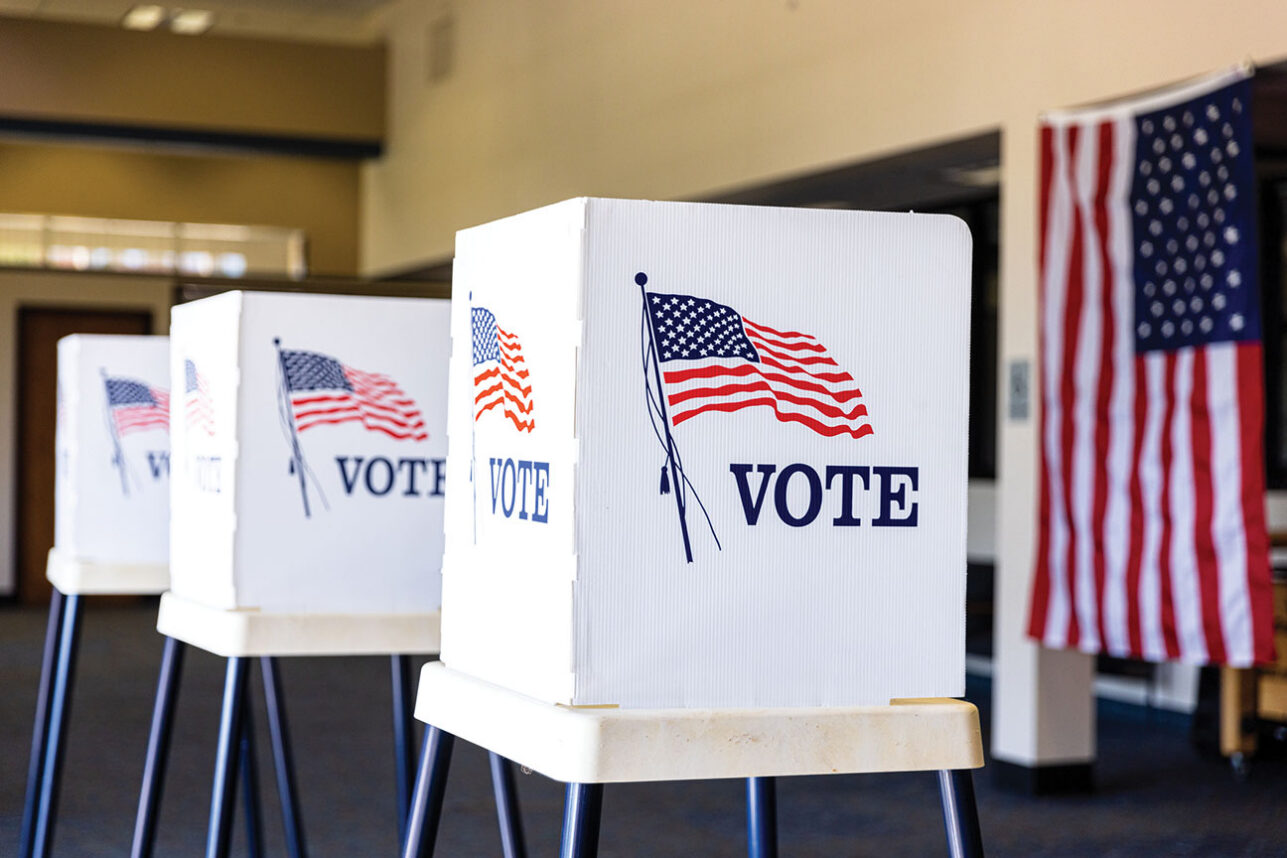
As a newly minted U.S. citizen about to vote for the first time, I took an oath, learned the Constitution’s amendments and am proud to uphold them as a dutiful American. The First Amendment in particular gives us all great and wonderful freedoms. There is a difference between speech that is hurtful but not harmful, and speech that is demonstrably harmful in its own right. Our narrow reading of harm requires a physical act to take place to determine whether the speech can be retroactively linked to the motive or intent of the violent party. The connection of the speech to harm only occurs after the harm.
It is time to re-examine death threats to Jewish people in the light of history. Phrases such as “All the Jews must die” allegedly called out before the killing at the Tree of Life Synagogue in Pittsburgh is now demonstrably harmful. We know very well that anyone who says “Death to the Jews” is uttering an existential threat to actual Jewish lives based on a substantial body of evidence.
It is time our lawmakers wrestle with and confront the reality that anti-Semitism attacks our society and has proven itself to be a killer of Jewish people and others. Other hatreds have similar legacies that must also be reconsidered. Racism, homophobia and xenophobia are all proven killers. It is the role of the law to do everything in its power to prevent such loss.
Stephen Smith is the Andrew J. and Erna Finci Viterbi executive director of the USC Shoah Foundation.