
Dear all,
This week I returned to the opening chapters of Genesis and reflected on the first three questions ever asked in the Torah:
- “Where are you?” — God to Adam, hiding in the garden after eating from the Tree of Knowledge.
- “Where is your brother?” — God to Cain, after Abel has been murdered.
- “Am I my brother’s keeper?” — Cain’s chilling reply.
These are not questions about geography. They are questions about moral presence. About responsibility. About what it means to be human.
In this moment in time, we must ask ourselves those same questions.
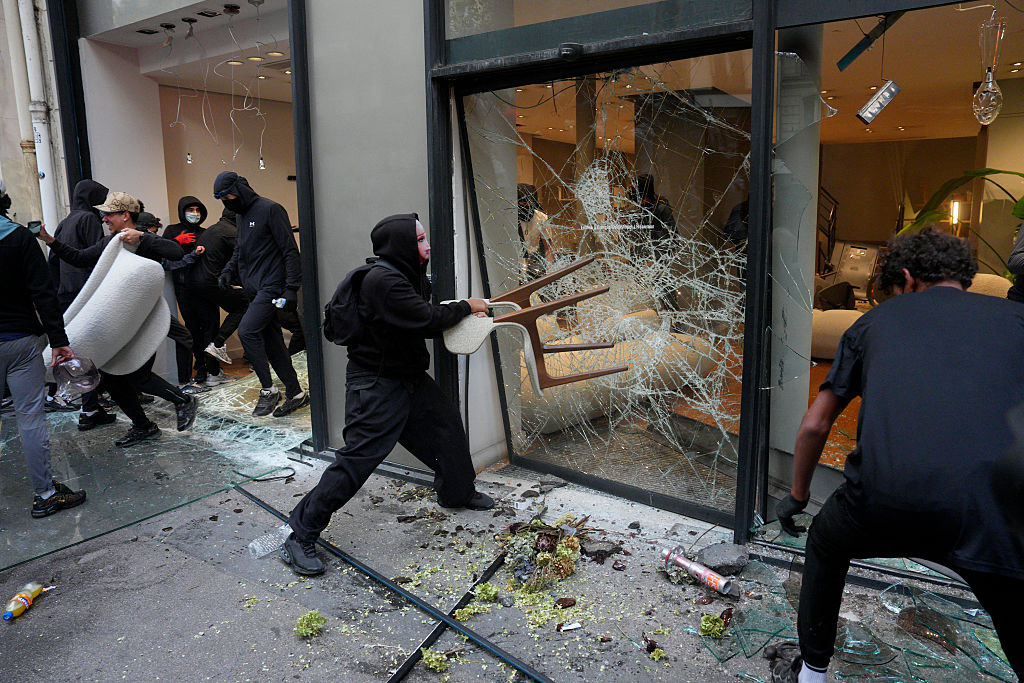
Where are we when ICE agents terrorize civilians and families live in fear?
Where are we when our neighbors are endangered and our fellow human beings are treated as expendable?
Are we truly looking after one another when the Jewish community in Jackson, Mississippi is threatened, or when antisemitic graffiti appears on the walls of a synagogue in Pasadena?
Across the world in Iran, ordinary people continue to raise their voices in the face of deep hardship and repression, and many have paid a terrible price for seeking dignity, safety, and the freedom to be
It is tempting—perhaps even comforting—to ask, Where is God when terrible things happen?
But Torah insists on a more difficult question first:
Where is humanity?
And even more uncomfortably—where are we?
Because the first failure in Genesis is not disobedience.
It is hiding.
And the second is not murder alone, but the refusal to accept responsibility for another’s life.
The Torah’s opening questions echo across time, demanding an answer not from God, but from us.
What will our answers be?
With love and Shalom,
Rabbi Zachary R. Shapiro