 “And there we saw the Nefilim [demi-gods or giants], descendants of Anak of the Nefilim. And we were in our own eyes like grasshoppers, and so we must have appeared to them.”(Numbers 13:33)
Rabbi Menachem Mendl of Kotzk asked: What possible difference could it make for the spies to know or even care how they appeared in the eyes of others?
In his question, the Kotzker shined a light on the spies’ central weakness and sin. Though it appears that the spies performed the holy task Moses commanded them to undertake – to scout the land and bring back a report of what they saw – theirs was more than an objective report. They observed the Nefilim and by comparison thought themselves to be as small as grasshoppers, feelings that are understandable. After all, the spies represented a people that had only known slavery and were not yet constituted as a fighting force. The scouts were surveying the land and people to determine what kind of resistance they would encounter once they entered to conquer the land.
The scout’s weakness and sin are revealed in the last part of the verse “…and so we must have appeared that way to them.”
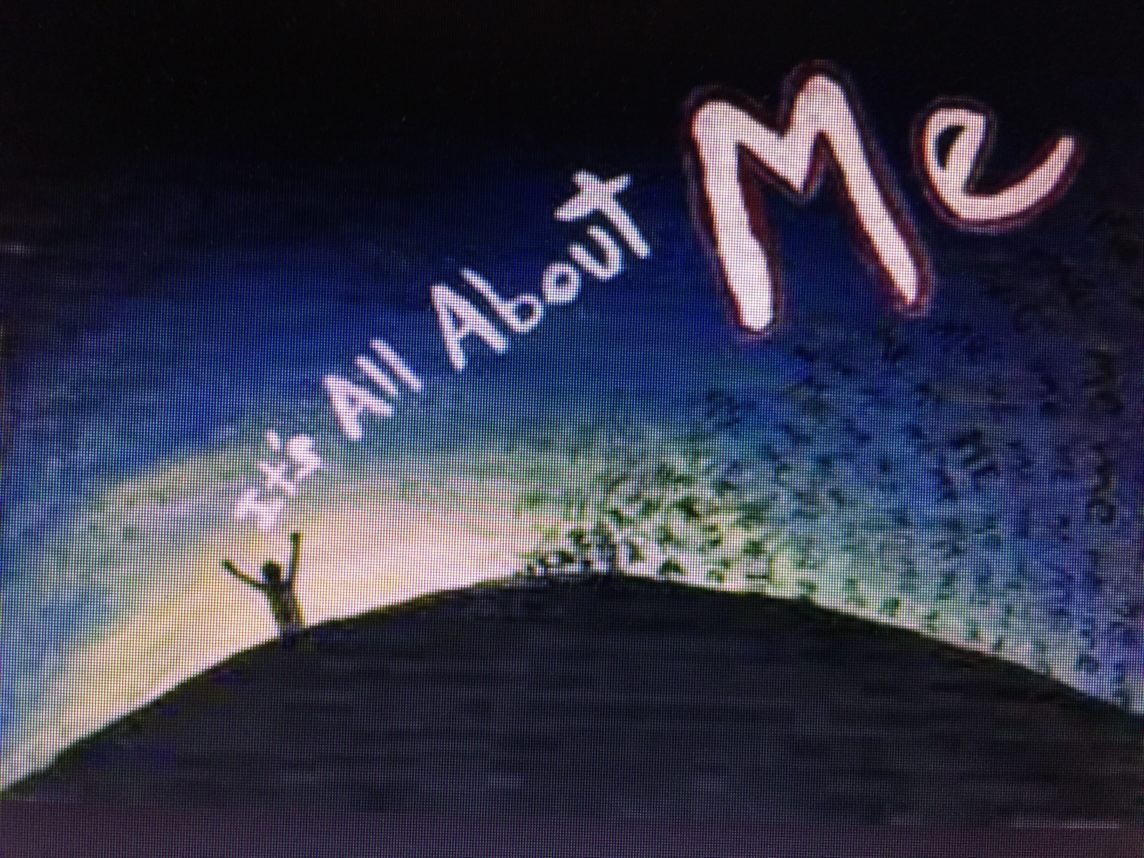
The Kotzker asked – Why do you care what you appeared like to them? They worried more about how they looked than what they were looking for. And so, their sin wasn’t their low self-image, though low self-esteem prevents people from being their best selves and doing their best work. Rather, their sin was egocentrism and vanity, hyper-sensitivity to and awareness of how THEY appeared to the Nefilim.
The story, ancient yet ever-so-modern, suggests that it’s really not important how others perceive us. What matters are our intention, motivation and purpose in doing what we do.