London cabs have a way of throwing strangers together. “Notting Hill” turns on it — a bookseller and a movie star negotiating the impossible distance between their lives across a vinyl back seat.
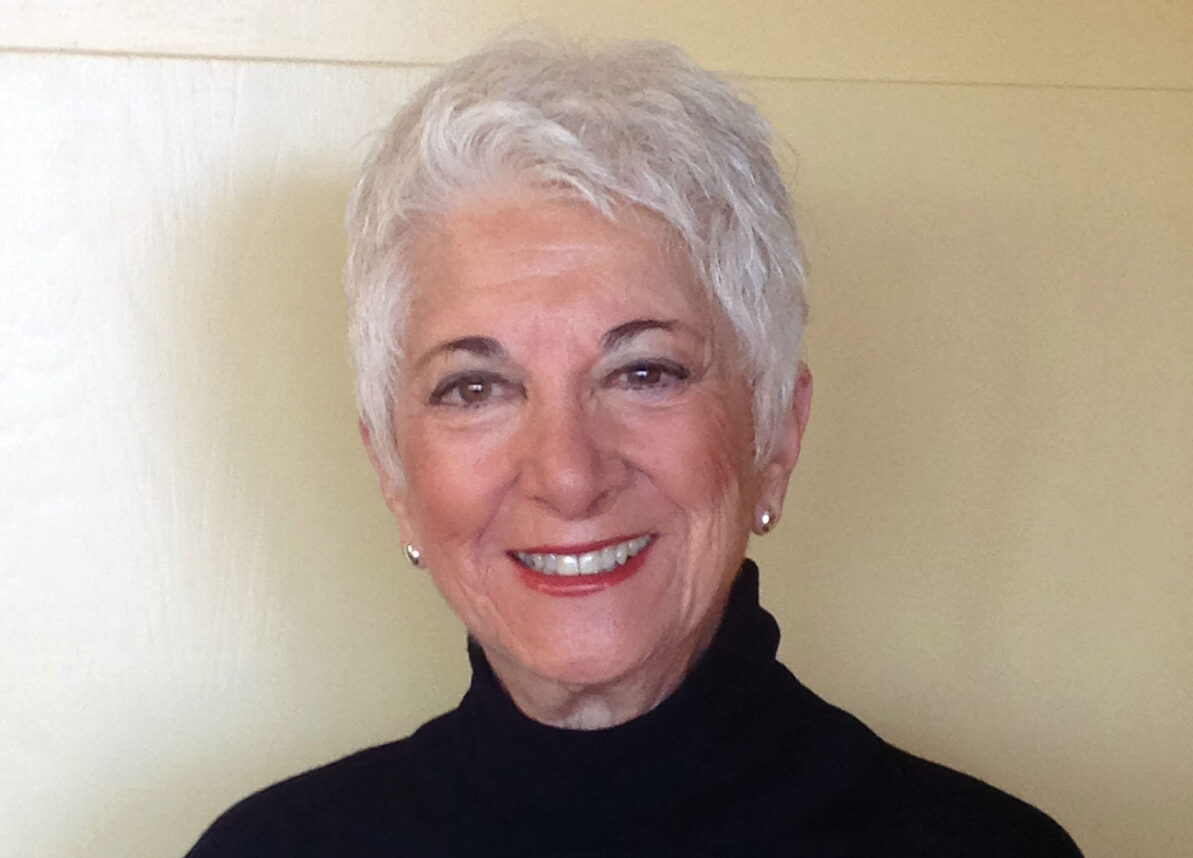
My London cab moment was in late 1995. The Survivors of the Shoah Visual History Foundation — now USC Shoah Foundation — had held a meeting with Holocaust organizations, which I had attended as director of the U.K. National Holocaust Museum. Somehow, after the meeting I ended up sharing a cab with an elegant Italian woman in a wool suit, her silver hair immaculate, her eyes glistening with a youthful verve. I was 28, she was 57. She seemed old to me then. I am 59 now and better understand her youthful energy.
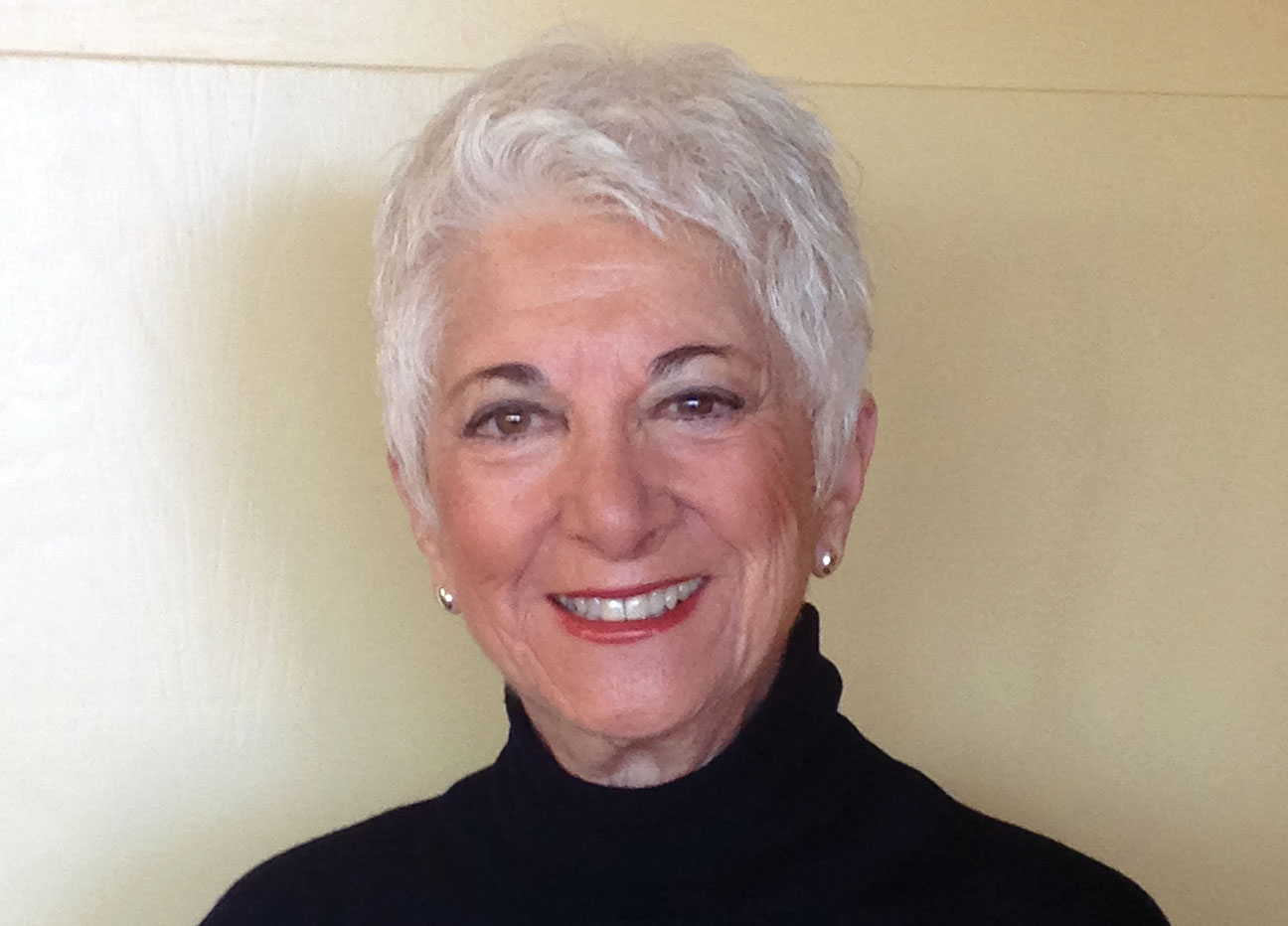
Her name was Daisy.
Until I met Daisy Miller, the Holocaust survivors I encountered were closer to the age of my grandparents. Daisy was the age of my parents. She had been a child during the war. Rescued in a convent. Children survive differently than adults do. They carry the experience in a different part of their being.
I asked her why she chose the name Daisy, presuming she had picked it herself once in America. She told me that her parents, improbably, named their Italian Jewish girl, born in Zagreb, after a character from the Henry James novella “Daisy Miller.” They had loved that small, strange book about a young American woman in Europe who refuses to behave the way the Old World tells her she ought to, and pays for it. James’s Daisy is often read as naïve. I think she is misread. She is simply someone who declines to be diminished by other people’s verdicts on her. To name their child Daisy in Zagreb in the 1930s was a bet on her future — that Daisy might walk through the world on her own terms. As fate would have it, she would later marry Herman Miller, completing the name of the character she was named after, as if her parents had planned it all along. She became Daisy Miller.
Daisy built a successful career in retirement planning, but when Steven Spielberg founded the Shoah Foundation she gave it up to commit herself full-time to the gathering of Holocaust testimony. As a survivor, she knew what was at stake.
When I arrived in Los Angeles years later to begin my own work at the USC Shoah Foundation, I found the woman I had met in the London cab sitting in my office waiting to greet me. For nearly a decade Daisy was my colleague. We travelled together, went to conferences together, became friends. Through all of it she held an unwavering conviction: every last survivor who could still tell their story should tell their story. She had been saved by Righteous Gentiles and never forgot that. She believed the most important thing that could be taught from what had happened was the power of goodness. She feared the world and what it was capable of. She also had the courage of a lion. Both can co-exist.
The day Daisy retired, she was the last Holocaust survivor working full-time at USC Shoah Foundation. It was the passing of an era. I felt it heavy, like stones in my stomach, knowing there would never again be an eyewitness on staff at the institute. She knew too. She gracefully passed responsibility to the next generation.
The bet on Daisy Miller paid off in ways her parents could not have imagined and did not live to see. The Daisy I knew was sophisticated and entirely in command of herself, but she was not at peace with the world. She worried about the world. She knew that the past was always a possible future. She decided that our best chance was to be forever reminded and to make elevating other people’s truth her life’s work.
At 28, in that London cab, I began to learn something Daisy would spend the next 30 years teaching me. Life cannot be measured by what happens to you, but by what you do with it. Daisy had been handed the worst inheritance the century could offer. She never did shake off the demons, but she also never let them define her. She faced them down, turned the tables on her fate and gave the gift of telling their own stories to thousands of others.
Stephen D. Smith, Ph.D., MBE, is co-founder and CEO of Our Jewish Story, and Executive Director Emeritus of USC Shoah Foundation.