This year’s Jerusalem Day celebrations revealed something impossible to ignore about modern Israeli society and politics.
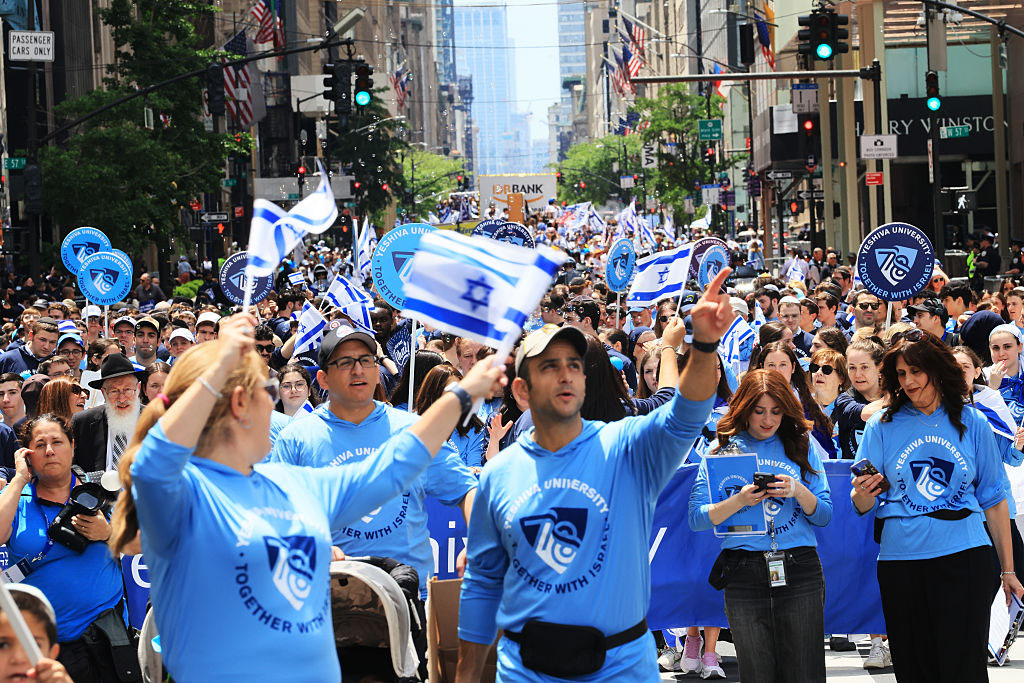
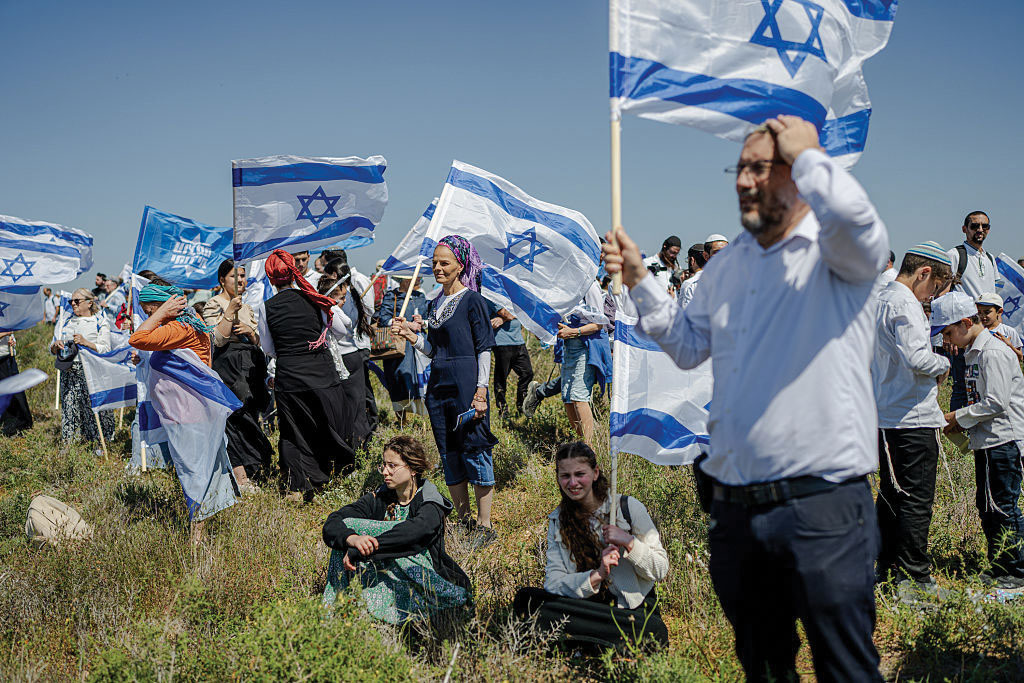
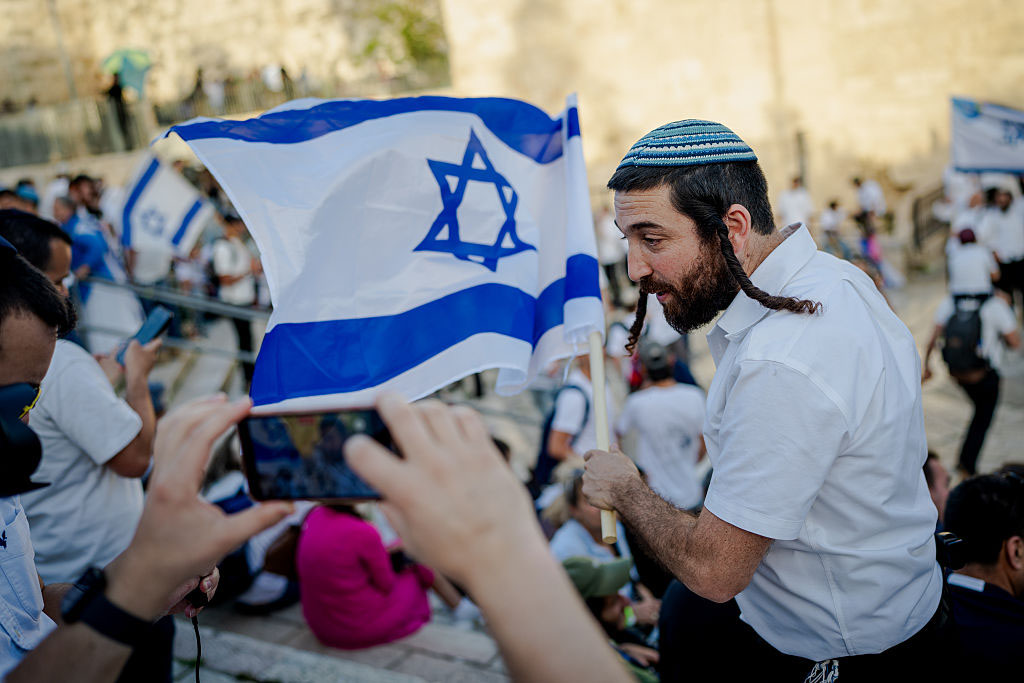
As tens of thousands marched through the streets of Jerusalem during the annual Flag Dance procession toward the Western Wall, the images across Israeli media looked remarkably similar: young Jewish Israelis wrapped in blue and white flags, dancing and singing patriotic songs, many of them religious Zionists wearing knitted kippahs.
The atmosphere was emotional and deeply connected to Jewish history and identity.
But one thing stood out immediately.
Where was everyone else?
Where was Israel’s secular youth?
Where were the young people from Tel Aviv, Herzliya, Haifa and the secular centers of the country? Jerusalem is their capital too. Soldiers from every background fought and died for the reunification of Jerusalem in 1967. Yet today, Jerusalem Day increasingly feels identified with only one sector of Israeli society.
Over time, Jerusalem Day has evolved from a broad national celebration into something strongly associated with the religious Zionist movement and the nationalist right.
This year, that political divide was especially visible.
Members of the coalition were everywhere.
Politicians from Itamar Ben-Gvir’s Otzma Yehudit marched publicly through the city, gave speeches and ascended the Temple Mount. Ministers and Knesset members from Religious Zionist Party led by Bezalel Smotrich were highly visible throughout the celebrations. Likud ministers and MKs also filled the events, embracing the symbolism of the day.
The message from the coalition was clear: Jerusalem stands at the center of their political identity. But much of Israel’s opposition leadership seemed absent.
Naftali Bennett was in Jerusalem a day before the Jerusalem Day events and did not attend the Central Flag March celebration, despite being seen as the main contender against Benjamin Netanyahu.
Where was Avigdor Lieberman? Where was Yair Lapid? Where was Yair Golan?
Even Gadi Eisenkot limited himself to social media posts instead of attending physically.
And in politics, physical presence matters.
Strong politicians understand that politics is not only about interviews or social media posts. It is about physically showing up where the nation’s emotions are taking place.
If someone truly wants to become Prime Minister of Israel, how do they not appear in Jerusalem on one of the country’s most symbolic days?
No speeches. No participation. No connection with the crowds.
One of the questions raised by this year’s celebrations is whether parts of Israel’s opposition have become politically uncomfortable even appearing alongside religious Zionist Israelis. Has the divide reached a point where some politicians fear being photographed with young Israelis because of how it may be perceived by their political base?
For a country that once tried to build a shared civic identity between secular and religious Jews, that possibility is deeply troubling.
Increasingly, it feels as though Israel is developing two emotional capitals.
One is Jerusalem, the city of history, nationalism, religion and Jewish memory.
The other is Tel Aviv, the city of secularism, liberalism, nightlife and global culture.
Jerusalem is not only Israel’s capital, but its largest city, with more than 1.06 million residents. Yet despite its size and national importance, many secular Israelis increasingly seem emotionally disconnected from one of the city’s most symbolic national celebrations.
I would like to see more opposition politicians, more secular Israelis and even organized buses from secular cities coming to celebrate Jerusalem Day, walk in the Flag March and participate proudly in the celebrations. Jerusalem belongs to all Jews and all Israelis, not only to one political camp or one religious sector.
As a secular Jew, I can say that I enjoyed seeing religious Zionists ascending the Temple Mount with Israeli flags and praying openly. In the past, scenes like that often triggered riots across eastern Jerusalem and international outrage. Today, it happens regularly.
Whether one agrees with it politically or not, it reflects a major shift in reality, a strengthening Jewish presence at the site and a much stronger sense of Israeli governance in Jerusalem.
Jerusalem, I hope to see more unity around you in the years ahead, religious and secular, right and left, all celebrating the capital of the Jewish people together. You belong to all of us.
Happy Jerusalem Day.
Maoz Druskin writes about Israel, democracy and the challenges of national identity in modern societies.