













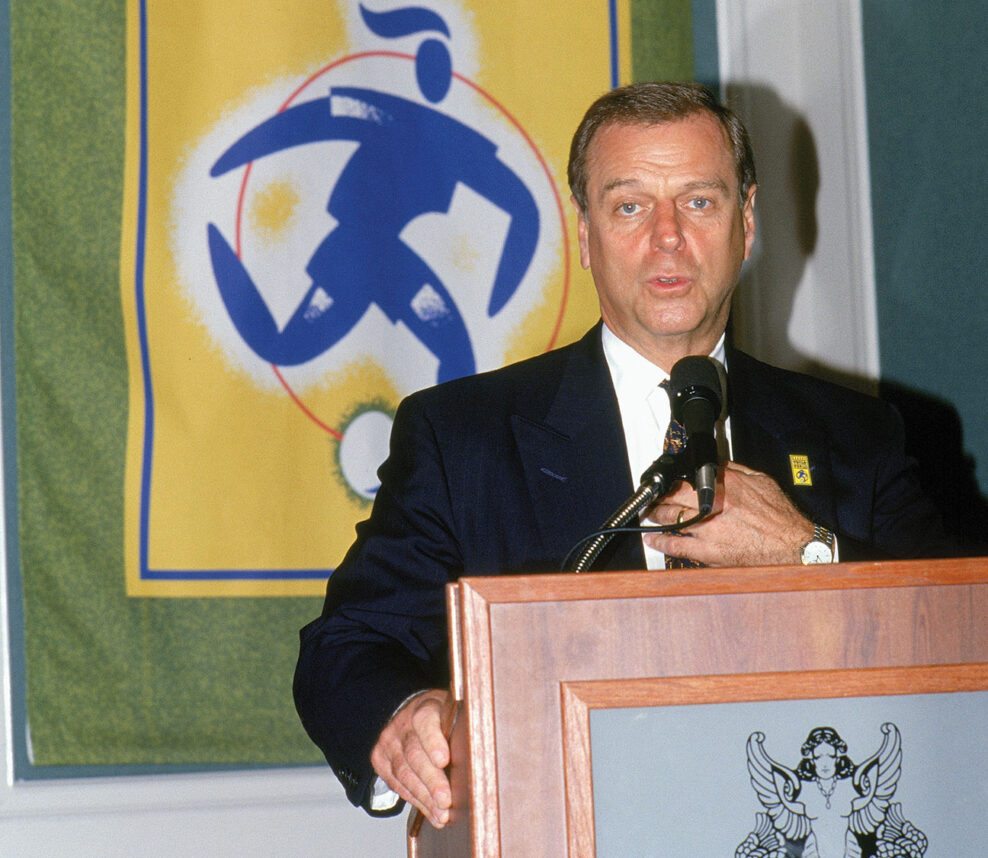
The man behind the 1994 FIFA World Cup is chairing The Beautiful Game: The Untold Story as the Holocaust Museum L.A.’s Goldrich Cultural Center prepares to open in mid-August.

Through The Equalizer (Sha’ar Shivion), children from Jewish, Arab, Druze, Bedouin, religious and secular communities meet through soccer – not only to compete, but also to build friendships and break down barriers that often keep their communities apart.
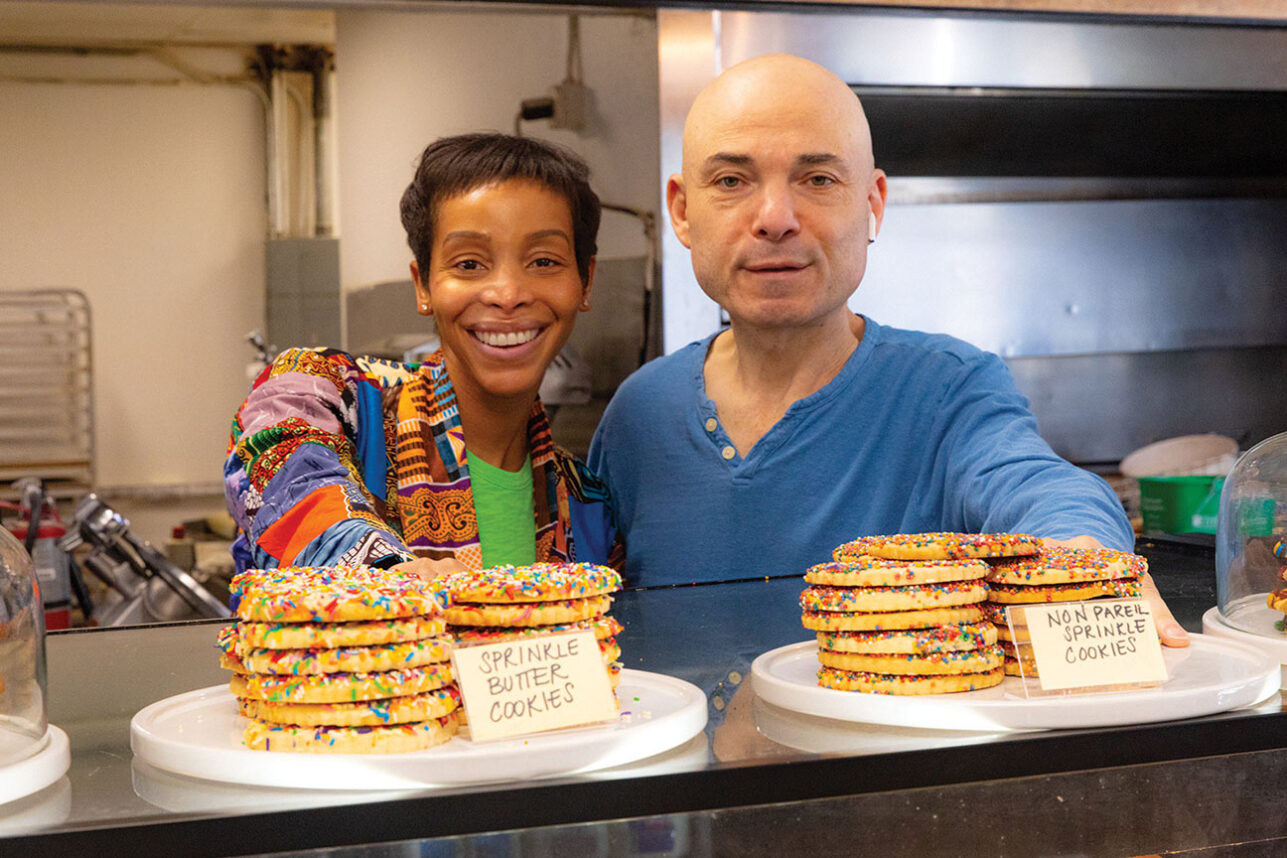
It’s important to the owners, Lenny and Adaeze Rosenberg – and the neighborhood – to stay true to its longtime recipes.
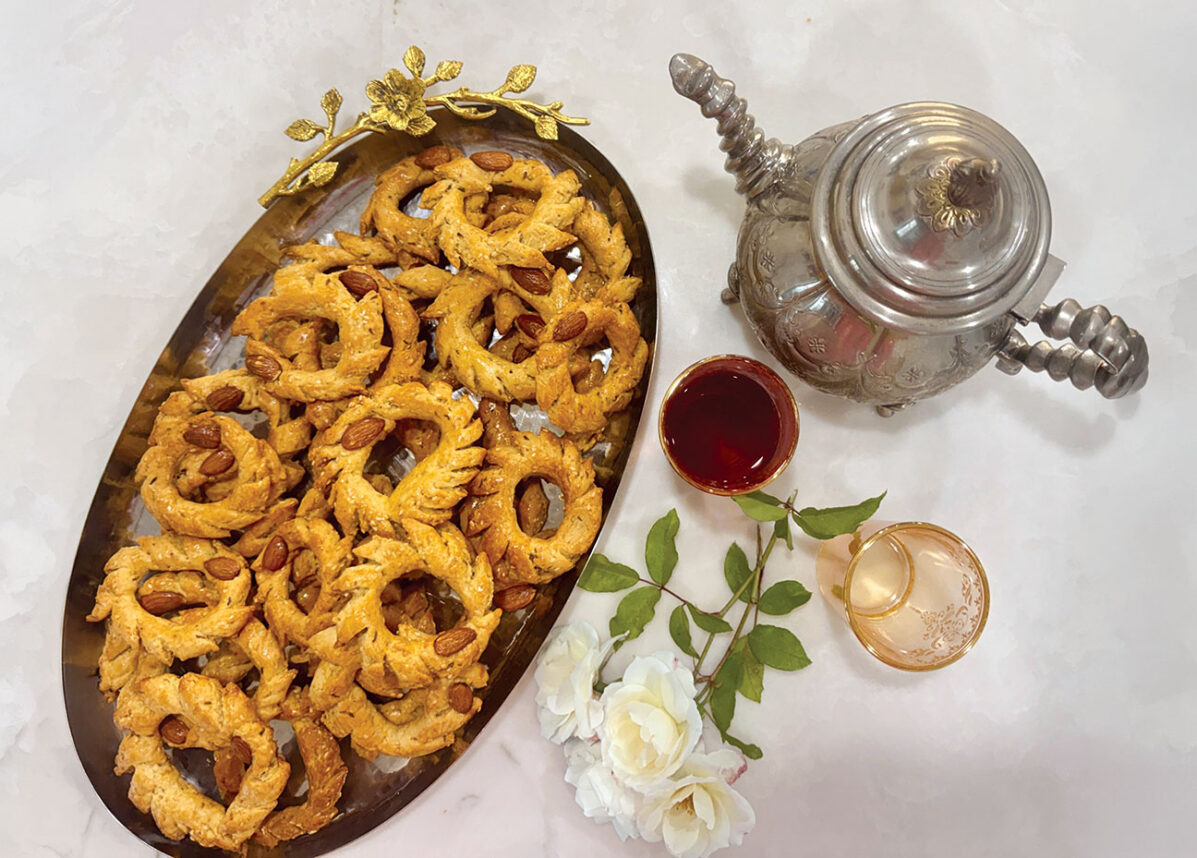
A symbol of hospitality, families bake batches for holidays, family celebrations and visits with friends and relatives.

Keeping Your Word
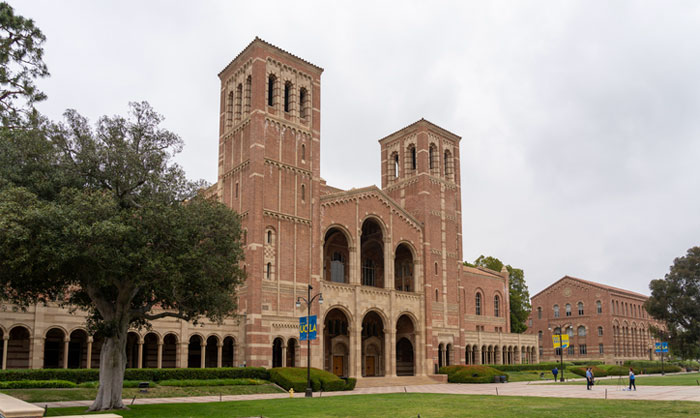
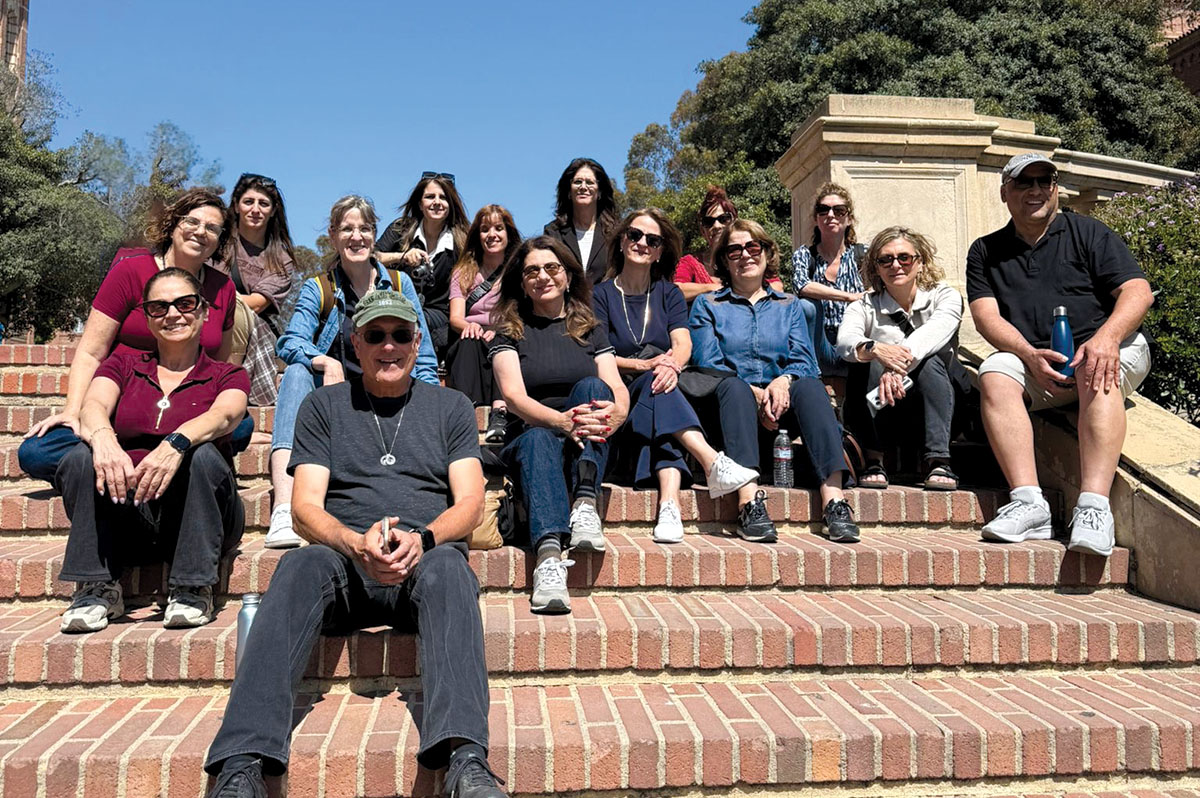
UCLA has an opportunity to become a national model for confronting antisemitism through principled leadership, transparent accountability, and meaningful action.
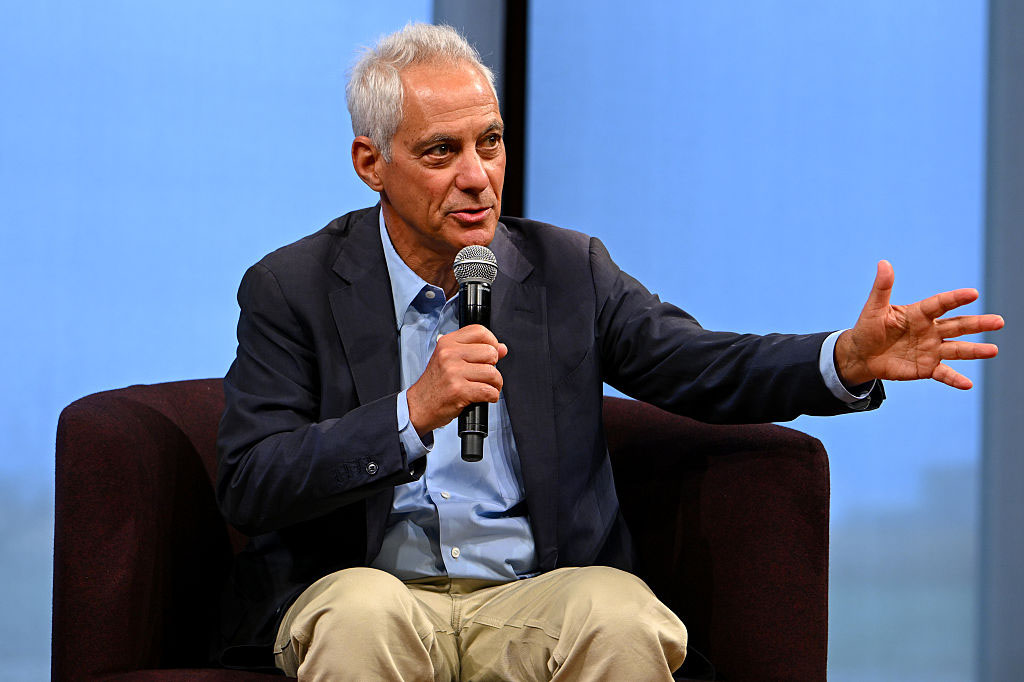
I can imagine many Israelis rolling their eyes: OK, where’s he going with this? When is he telling us what he really came here to say?
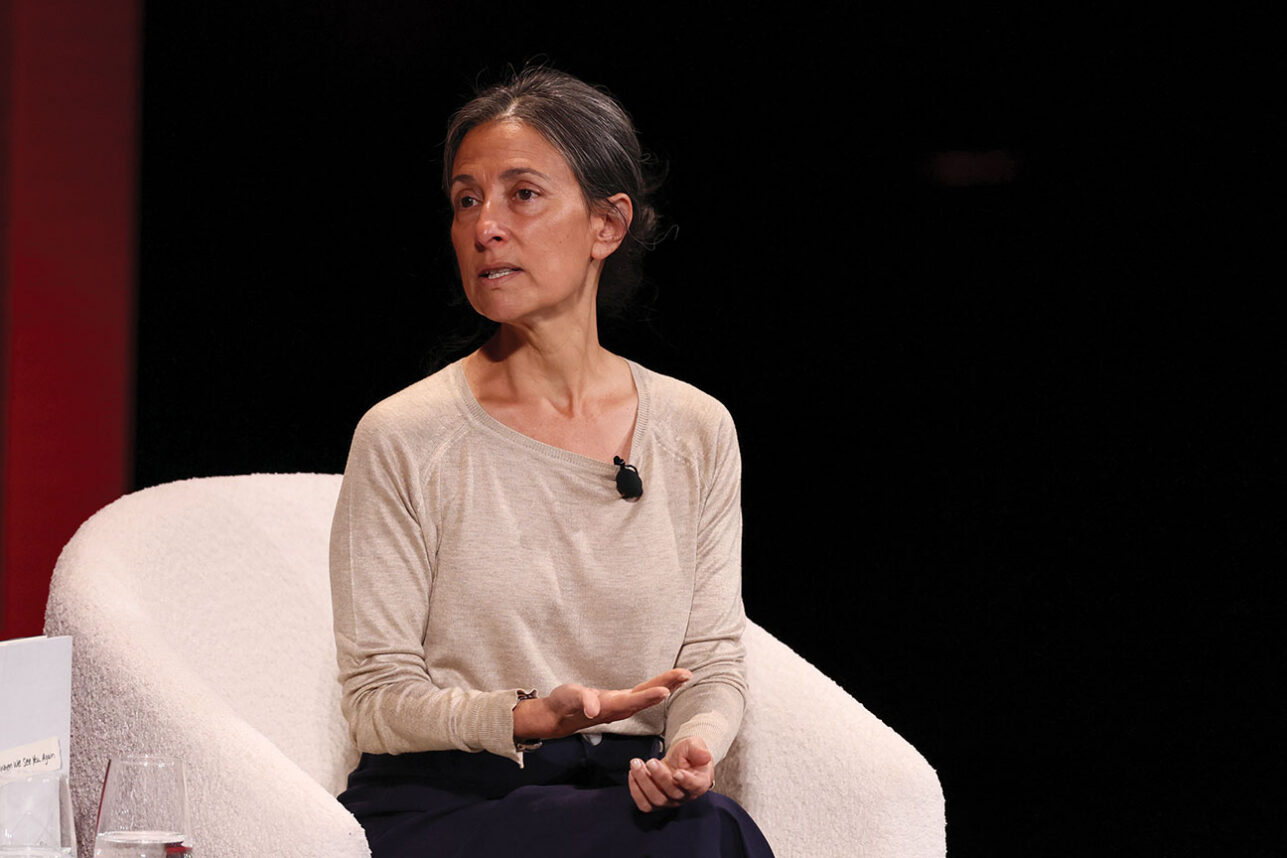
Rachel Goldberg-Polin, mother of slain hostage Hersh Goldberg-Polin, can’t stop speaking about her pain and the public love her body cannot always receive. She talks to the Journal about her son’s legacy and her new book.

An Open Letter to My Fellow Jews on Peoplehood, Memory and Israel
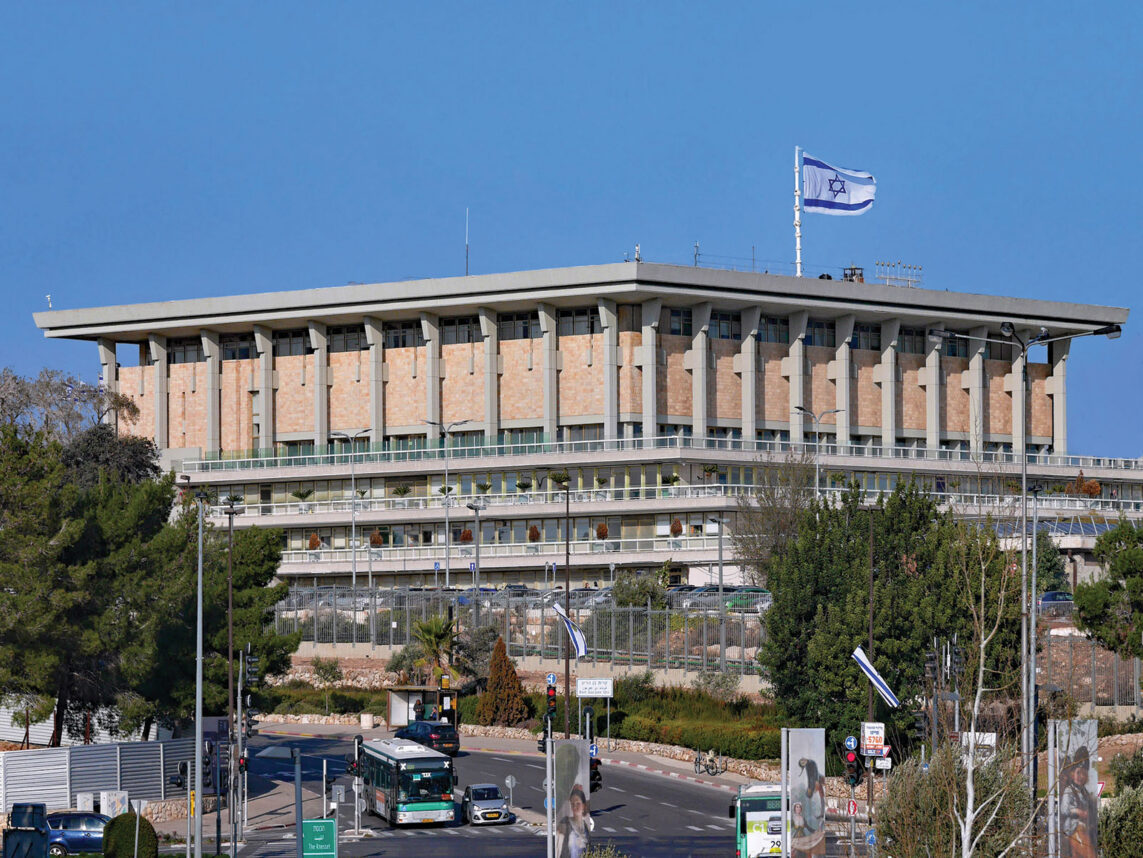
This week’s “Constitutional Crisis” is typical of the way the government operates. It issues a statement, or a tweet and then walks it back. Oops, we did not mean it. Or rather, we did, but we also meant to deny that we did.

Moral consistency is not a Republican value or a Democratic value. It is an American value.
If we want to see a less polarized society, both internally and beyond, we must emphatically reject the idea that political alignment is the predominant commonality for friendship.
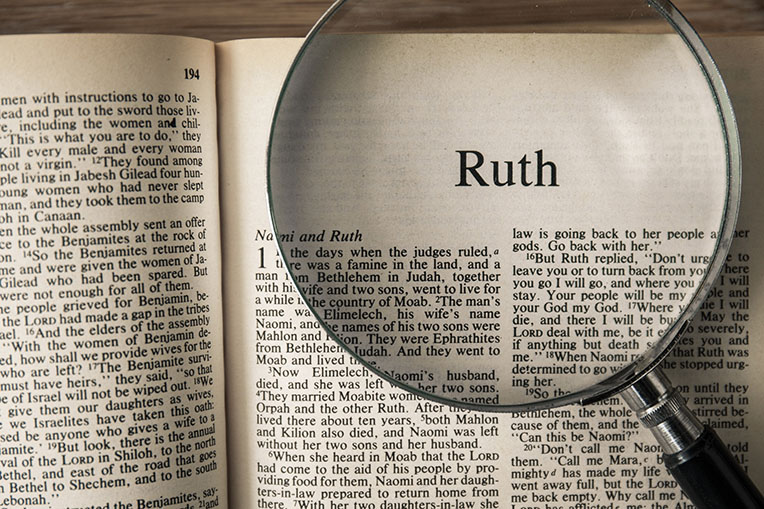
Jews spoke in two voices about Ruth, a kind of national schizophrenia, one with joyous chanting on Shavuos as the Book of Ruth was read; the other, removing her name from the chain-link of repeated names throughout the generations.
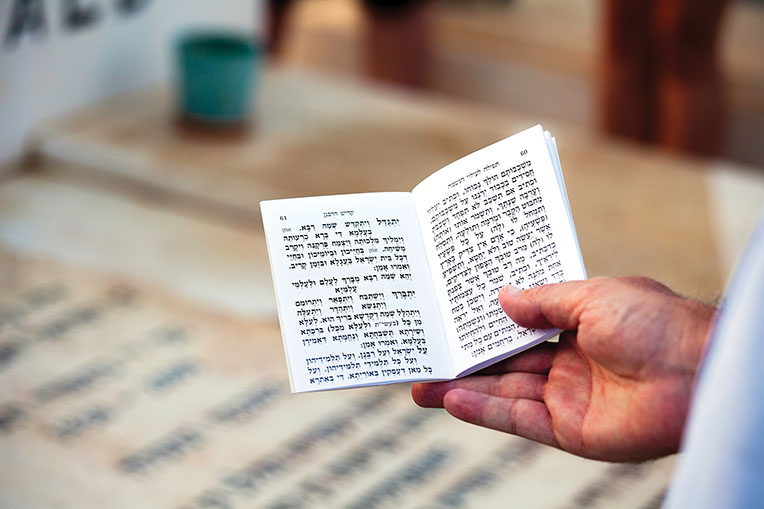
Saying kaddish every day tested my faith and commitment. It made me realize that there is no room for excuses. It taught me how to show up. It taught me that my voice can be heard, even when not expected.
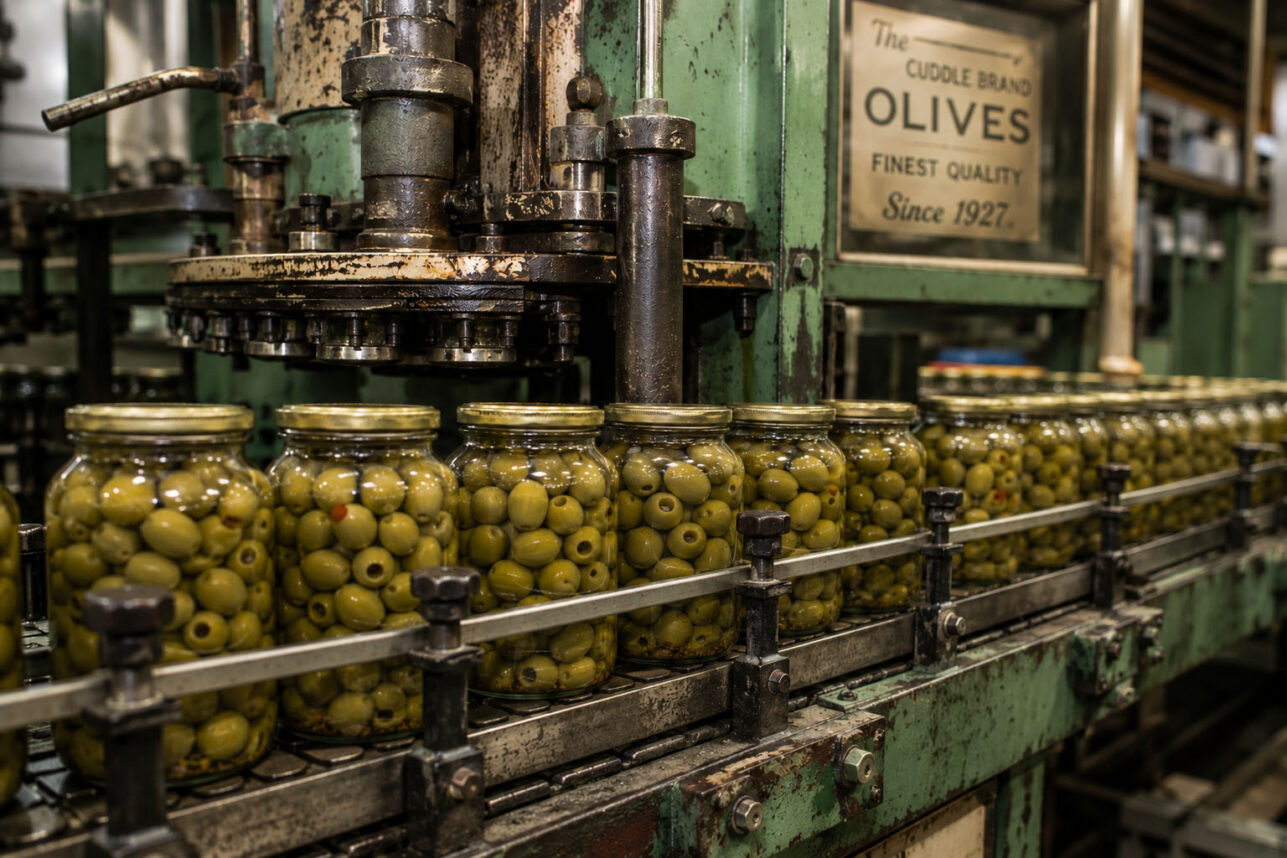
A manufacturer of olives, pasta and tomato sauce, agreed to give my grandfather a job.
Accountability worthy of a democratic society begins with evidentiary discipline: corroboration, transparency, context and standards proportional to the gravity of the accusation.
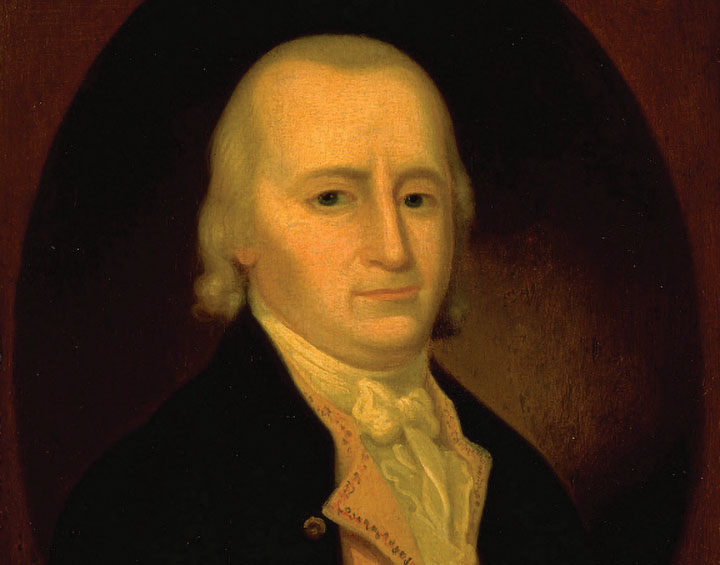
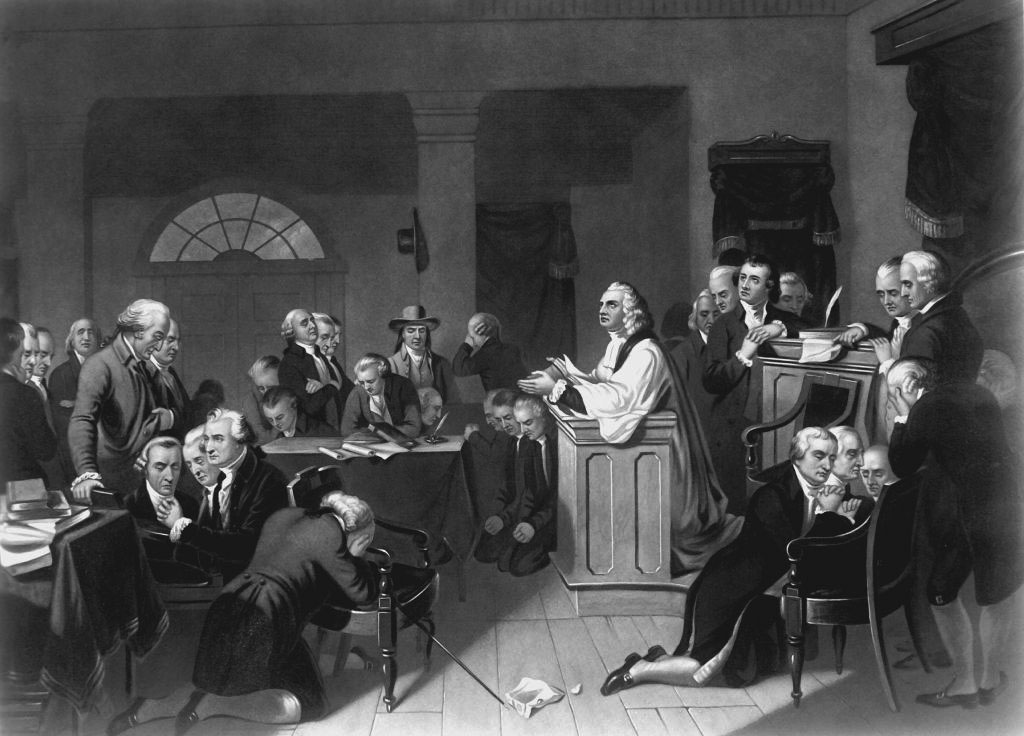
Phillips’ letter – with its faith in Congress’ Declaration – now sits in display not far from the Liberty Bell and its inscription from the biblical book of Leviticus.

While there’s nothing wrong with keeping your eyes on the horizon for that magical heifer to appear, be sure to appreciate what you already have.
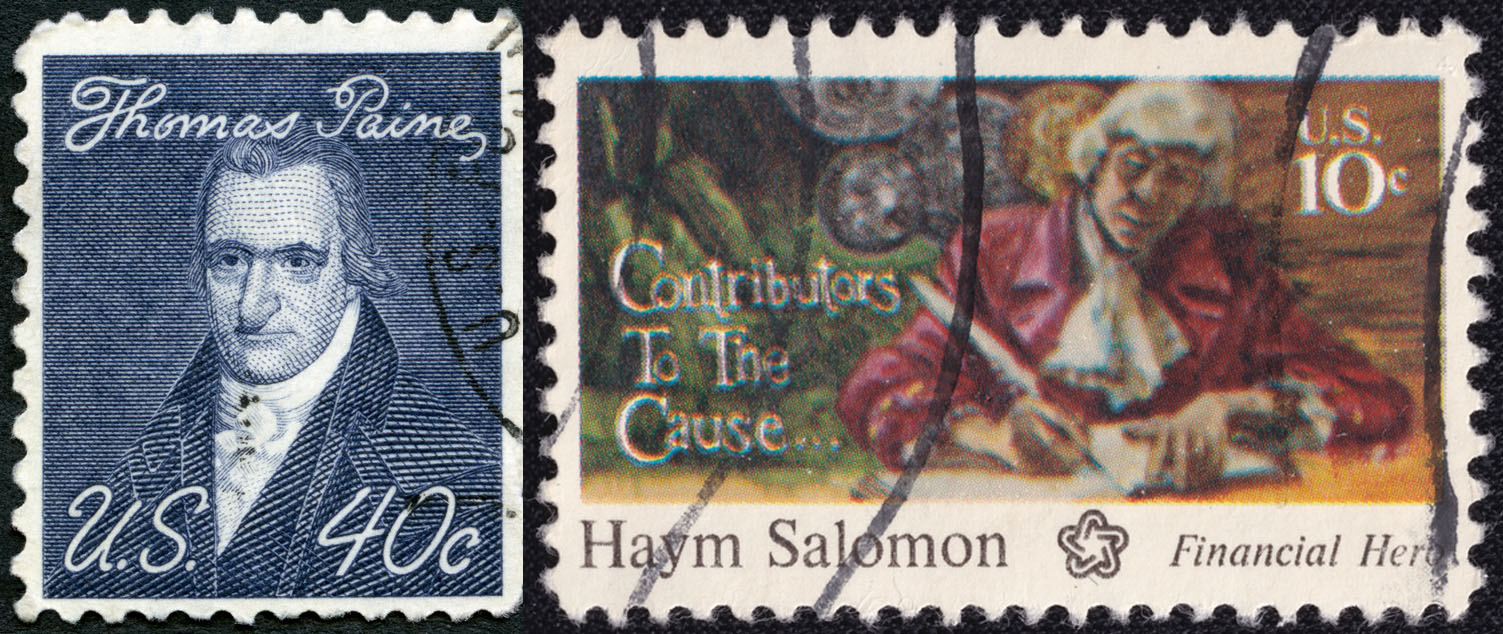
In the wake of celebrating the 250th anniversary of American independence, we should also consider the role of lesser-known revolutionaries, like Thomas Paine and the great Jewish patriot Haym Salomon.
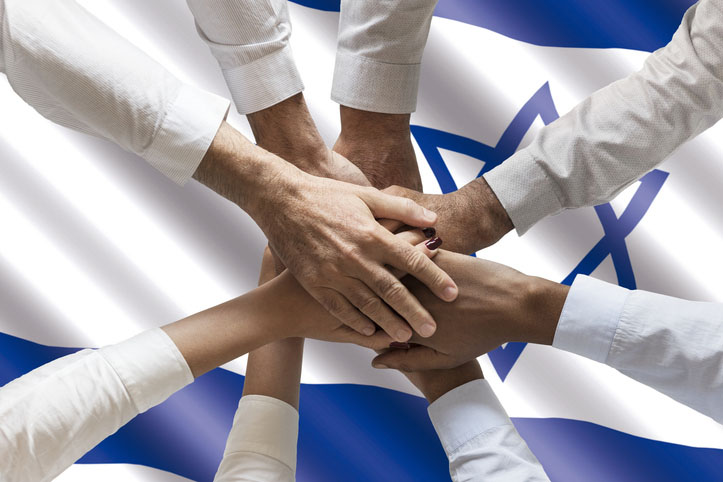
If we agree that antisemitism is only one example of a widespread and pernicious instinct toward division and “other-ization,” then it becomes clear that we can only eradicate these animosities as part of a far broader effort.