fbpx

Rock throwers in Israel can now be sentenced to 20 years

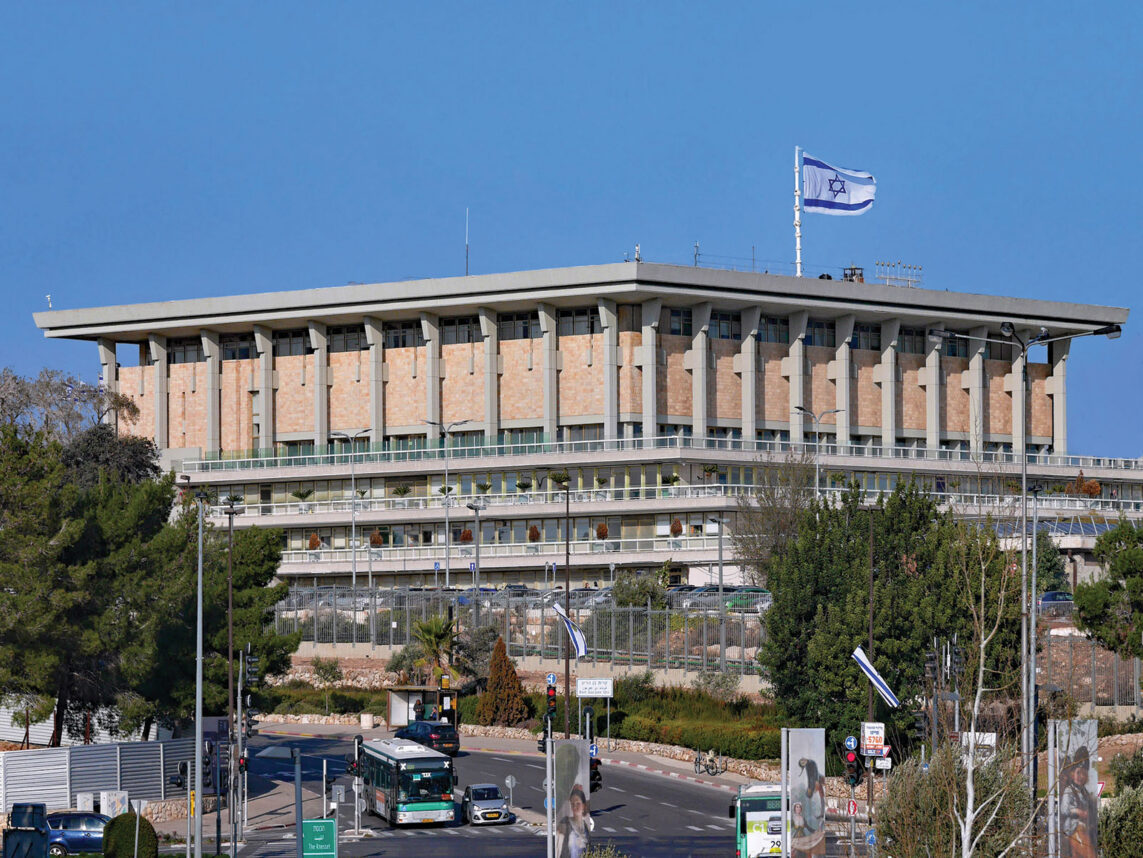
An amendment to Israel’s penal code will allow for sentences of up to 20 years for throwing stones or other objects at vehicles.
[additional-authors]
November 3, 2014

An amendment to Israel’s penal code will allow for sentences of up to 20 years for throwing stones or other objects at vehicles.

Israel’s Cabinet passed the amendment at its weekly meeting on Sunday.

“Israel is taking vigorous action against terrorists and those who throw stones, firebombs and fireworks,” Israeli Prime Minister Benjamin Netanyahu said at the start of the meeting.

“All of this is in order to restore quiet and security throughout Jerusalem. I have ordered that massive reinforcements be brought in and that additional means be used in order to ensure law and order in Israel’s capital.”

In recent months, rocks thrown by Palestinians have damaged the Jerusalem light rail. The rock throwers also have targeted buses and private cars.

Rock throwing now carries an average penalty of two years in jail.

The legislation does not cover the West Bank, where offenders are tried in military court.

 

Did you enjoy this article?
You'll love our roundtable.

Editor's Picks

Latest Articles

A Ka’ak By Any Other Name

A symbol of hospitality, families bake batches for holidays, family celebrations and visits with friends and relatives.

The Story That Never Goes Away

Rachel Goldberg-Polin, mother of slain hostage Hersh Goldberg-Polin, can’t stop speaking about her pain and the public love her body cannot always receive. She talks to the Journal about her son’s legacy and her new book.

Rosner’s Domain | A Dime-Store Abe: The Karhi Crisis

This week’s “Constitutional Crisis” is typical of the way the government operates. It issues a statement, or a tweet and then walks it back. Oops, we did not mean it. Or rather, we did, but we also meant to deny that we did.

Why Can’t We Be Friends?

If we want to see a less polarized society, both internally and beyond, we must emphatically reject the idea that political alignment is the predominant commonality for friendship.

Ruth-less, the Enigma of a Name

Jews spoke in two voices about Ruth, a kind of national schizophrenia, one with joyous chanting on Shavuos as the Book of Ruth was read; the other, removing her name from the chain-link of repeated names throughout the generations.

Honoring My Father: Saying Kaddish with Men

Saying kaddish every day tested my faith and commitment. It made me realize that there is no room for excuses. It taught me how to show up. It taught me that my voice can be heard, even when not expected.

More news and opinions than at a Shabbat dinner, right in your inbox.