By Matt Shapiro
Working with people as a spiritual counselor, one of the most frequent exercises I encourage residents to do is to write a list of the things they're oblivious to. This is designed to get people to notice things in their lives to which they don't usually pay close enough attention, positive or negative. This, of course, isn’t just limited to the people I work with, but is something I think is true for everyone. There are plenty of things that I’m aware of, yet still frequently choose to forget.
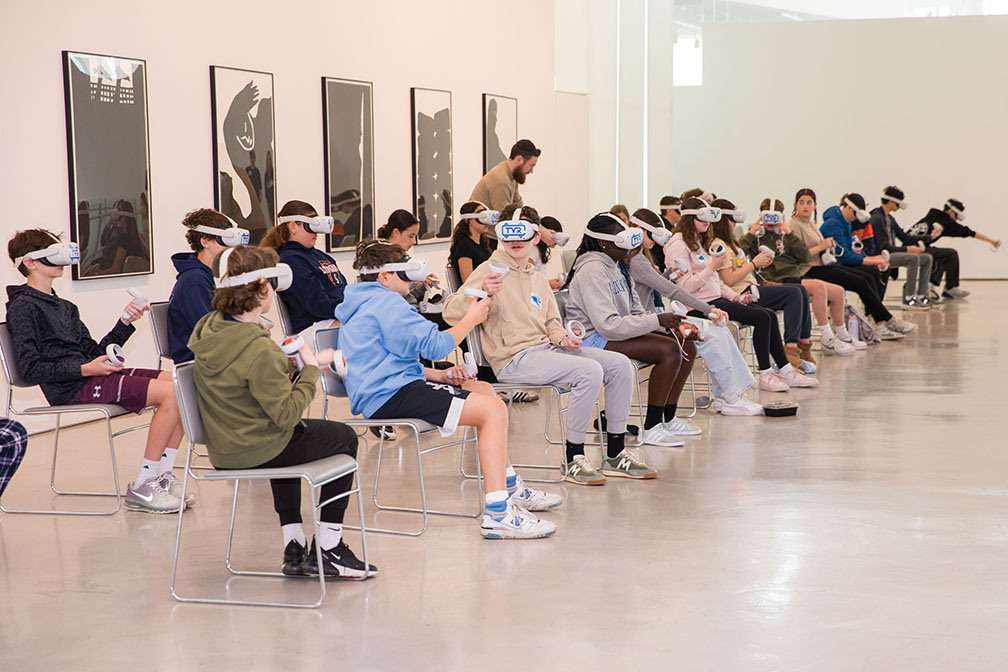
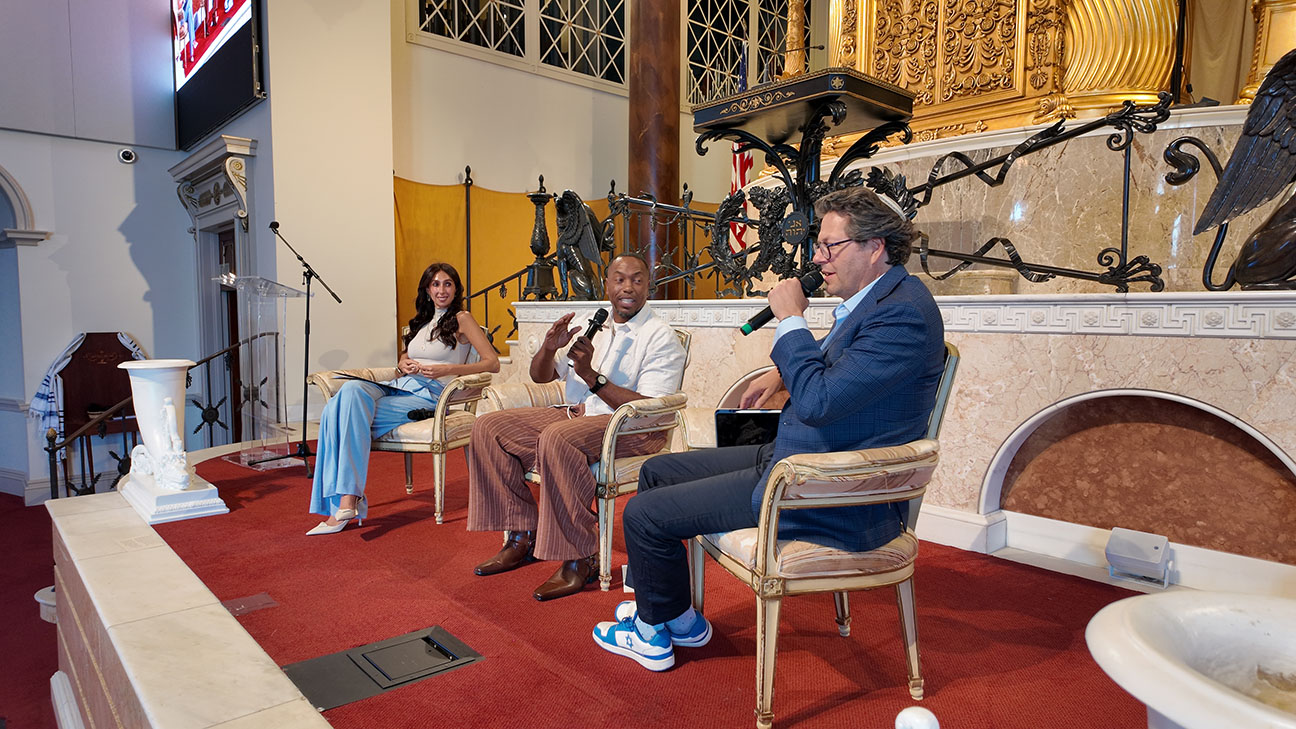
Once in a while at BTS, we have Immersion Days, programming through which we attempt to share the larger message and meaning of Beit T’Shuvah with current residents. Last Friday, we had a seasonal immersion day, in which we focused on the upcoming High Holidays and how their themes are relevant, even essential, to recovery. The focal point of the program was the High Holiday Repair Kit, written by Rabbi Mark, to elaborate on how he sees the High Holidays and give people an opportunity for writing and reflection on those concepts. As I’m sure many of you know, the crowd at BTS ranges from modern Orthodox Jews who have been in synagogue every Yom Kippur of their lives to Catholics who found out that morning that Yom Kippur is a fast day and started freaking out accordingly about if they would be having lunch that day.
Given that diverse group, I didn't anticipate was how seriously people would take the work. After Rabbi Mark spoke to the whole house, we divided into small groups for more personal work. When I asked people to take a few minutes to reflect on topics like how they have engaged in feelings of excessive doubt or worthlessness or how they can continue to bring out the gifts that God has given them, there was silence and focus as they wrote down their answers (I'm sure my promise of a free drink at Starbucks for anyone who completes the whole 21-exercise workbook didn't hurt either). The focus and the answers were intense, thoughtful and, in some cases, quite emotional. As people shared their responses to what the workbook brought up for them, I myself was reminded of many of the core concepts we try to teach at BTS:
-Positive and negative actions don't cancel each other out, and are both very real, necessitating their own individual responses.
– Though I can never repay the debt I owe God, I have an obligation to take action to pay it back as best I can.
-I have the capacity to change in every moment.
-T’Shuvah (repentance, return, response, atonement) is always possible.
I have learned these concepts before, but sometimes I take them for granted, and when I take these truths for granted, I begin to forget them.
Rosh Hashana is known as Yom HaZikaron, the day of remembering. Usually, I’ve thought of God as being the One who remembers, looking back on my actions from the past year. This year, I’m thinking about it differently. As the new year approaches, it’s my job to remember, not only what I’ve done, but also what I know that I have a tendency to forget. Even though T’Shuvah is possible at any time, it makes sense to me that a specific time is set aside for this work each year, because once I’m oblivious, I can go along for quite some time in that state of mind; I need a wake-up call, maybe even from a ram’s horn, to wake me up. Seeing people respond so viscerally and directly to these teachings during that program reminded me of my own obligation to connected to these ideas, continually working on how to remember them and put them into practice. Only then, awake and slightly less oblivious, can I learn something new.