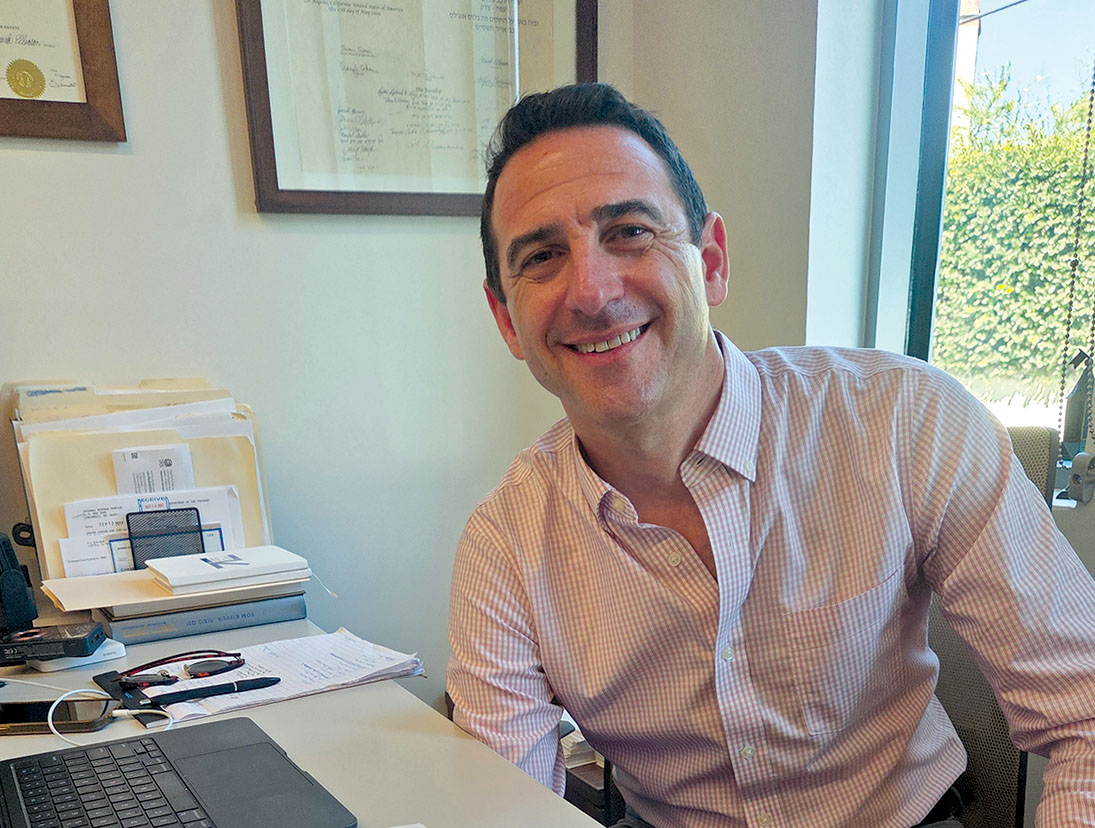
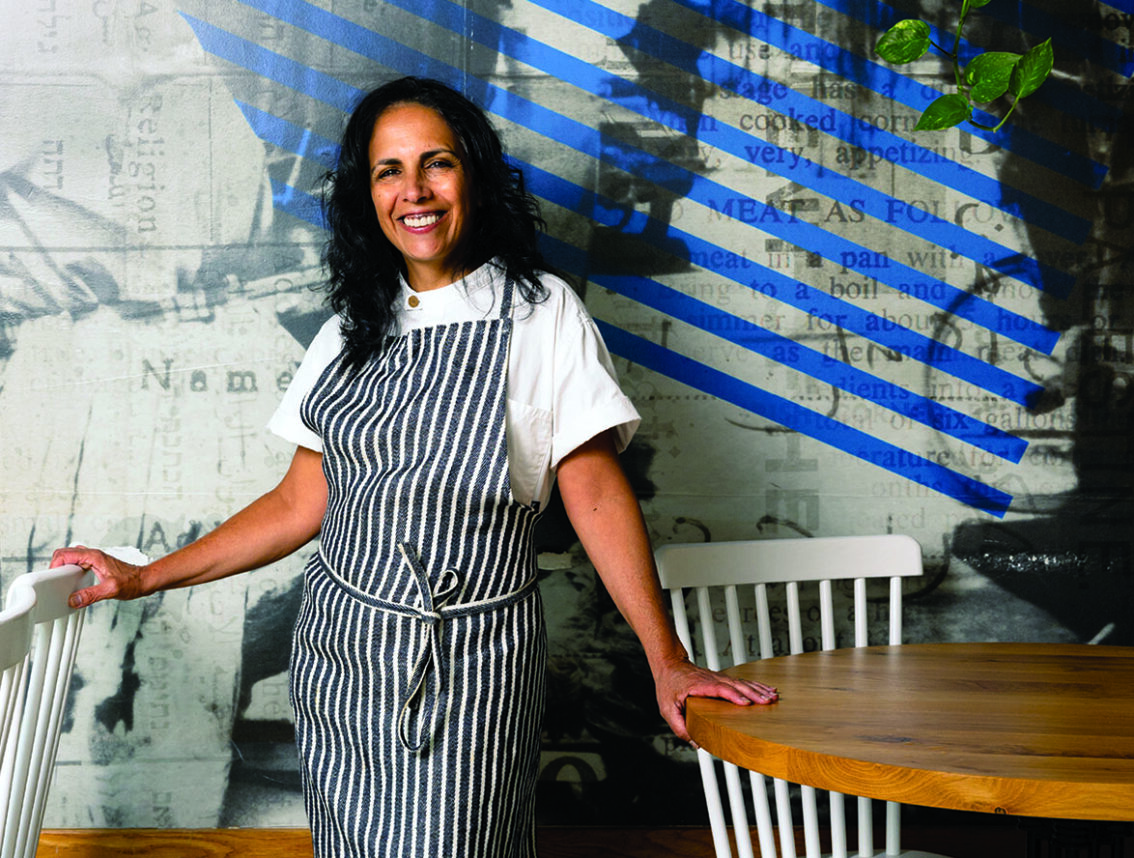
A kid from Brooklyn, a graduate of Syracuse University and an immigrant to California via Palo Alto, San Juan Capistrano, finally, Los Angeles, I have been here for the past 15 years.
I learned to play Mah Jongg from a friend, as so many have before and so many still do. As I got “better” one of my gal-pals asked me to help her teach her daughter and her friends. “Sure” I said and we were off. It was fun! But I realized that teaching the way I was taught really was not a very logical way to learn. But I put the thought aside till a friend suggested that teaching Mah Jongg on a cruise might be a good way for me to travel, expense free. Wow! It seemed like a great idea.
So I called every cruise line’s director of events and hit the jackpot. One of them said “Send a resume”. I did, and to my surprise, got the job.
My first real teaching experience was a wake-up call because I discovered there was a dearth of material for either a student to learn how to play the game or for a teacher to teach how to play the game. Yes, there was information about rules, background data and history and interesting anecdotes, but nothing about how to really play the game.
The University Of Judaism gave me the opportunity to test my ideas about how teach the game. I wrote a little booklet “Mah Jongg for Fun” for my classes and soon realized the pamphlet was woefully incomplete and there needed to be a book. The result was “A Beginner’s Guide to American Mah Jongg”
The rest is “history”. The book is in its 5th printing having sold over 15,000 copies since June of 2007. I have taught hundreds of women, men, young, old, single, couples, of every description, privately and in classes and it’s always a wonderful, exciting fun and learning experience….still after 15 years of playing and 7 years of teaching.