The goal of making great, as does Adar, the happiness
of Jews does not depend on the behavior of a chief Israeli Rabbiness,
but if she manages to be quite unhardheadedly haredi,
a lot of Jews will be extremely glad that she’s their Rabbi Chief’s First Lady,
though not as glad as Abraham surely was when, though not a maharat,
his wife was the first Lady in their laughter-lavished Sarahrat.
The first line alludes to the rule to increase happiness in the month of Adar that is quoted in bTaanit 28a:
משנכנס אדר מרבין בשמחה, when the month of Adar begins, one increases happiness.
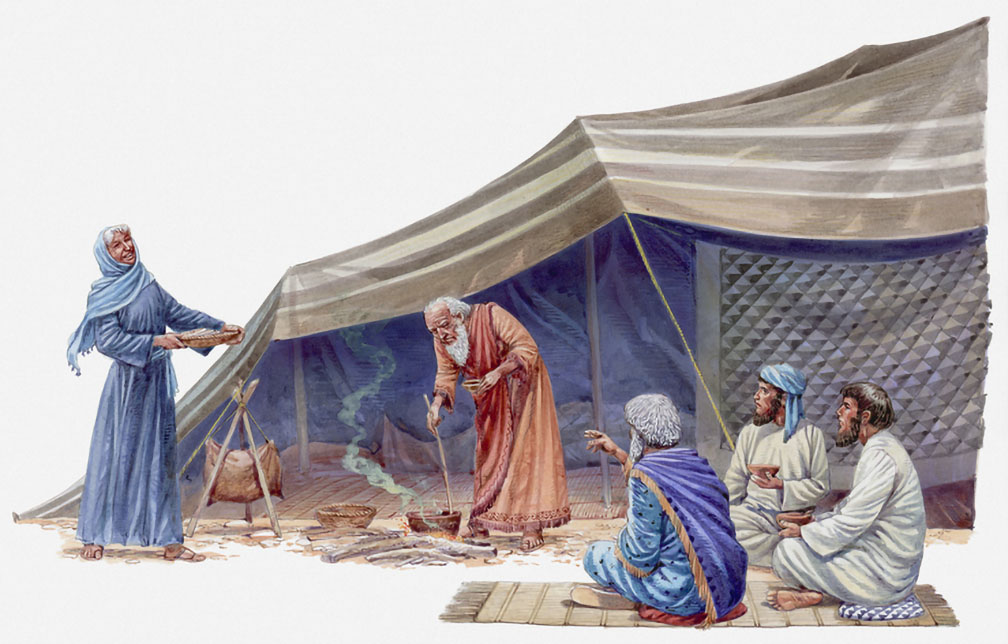
“Rabbiness” is my latest neologism denoting the entity of female rabbis, an entity that is more commonly identified by two other Hebrew words, “rabbanit” and “maharat.” “Sarahrat” is a neologism I have used only in this poem, in order to describe the control that Sarah exercised in the tent she was happy to share with Abraham, but not with his Egyptian concubine, Hagar.
In “Israel’s Chief Rabbinate,” Rabbi Jeremy Rosen writes in his weekly blog on 11/21/24:
While the world’s attention has been focused on the American election, there has been a far less publicized, but still significant, election in Israel for the Chief Rabbinate. Which after months of wrangling was finally decided. With left and right fighting over who should sit on the electoral committee and over egalitarianism…..
This year the Sephardi candidate got through easily in a predetermined election that saw yet another member of the Yosef dynasty intent on keeping it in one family. The Ashkenazi Lau family also tried to maintain their grip on the position but could not gather enough support. The Ashkenazi election came down to two candidates. Eventually Rabbi Kalman Ber from Netanya was elected by 77-58 with Charedi party votes both Sephardi and Ashkenazi. He defeated the more open and impressive Rabbi Micha Halevi of Petach Tikvah who had support from the Religious Zionists.
Both men have good reputations and claimed to be moderates. At the induction ceremony they spoke of embracing all sectors of Israeli life, to support IDF soldiers, visit army camps, and comfort the families of kidnapped Israelis. Rabbi Yosef concluded in English with a Trumpian declaration that resonated with the audience: “We will make the Chief Rabbinate great again!” Chief Rabbi Ber echoed his commitment to unity, expressing the vision rooted of Rabbi Kook. “My greatest mission is to bring about unity among all parts of the people,” he said.
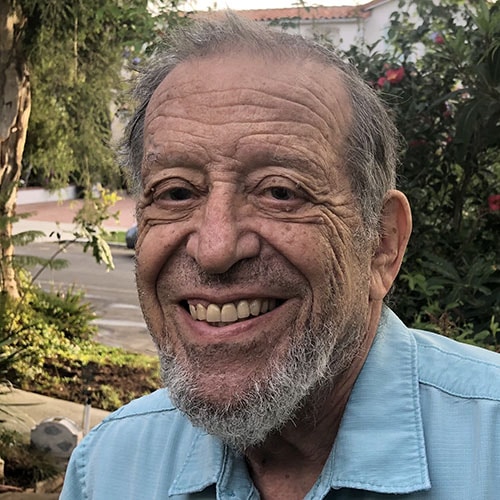
Gershon Hepner is a poet who has written over 25,000 poems on subjects ranging from music to literature, politics to Torah. He grew up in England and moved to Los Angeles in 1976. Using his varied interests and experiences, he has authored dozens of papers in medical and academic journals, and authored “Legal Friction: Law, Narrative, and Identity Politics in Biblical Israel.” He can be reached at gershonhepner@gmail.com.