fbpx
[additional-authors]
January 28, 2022
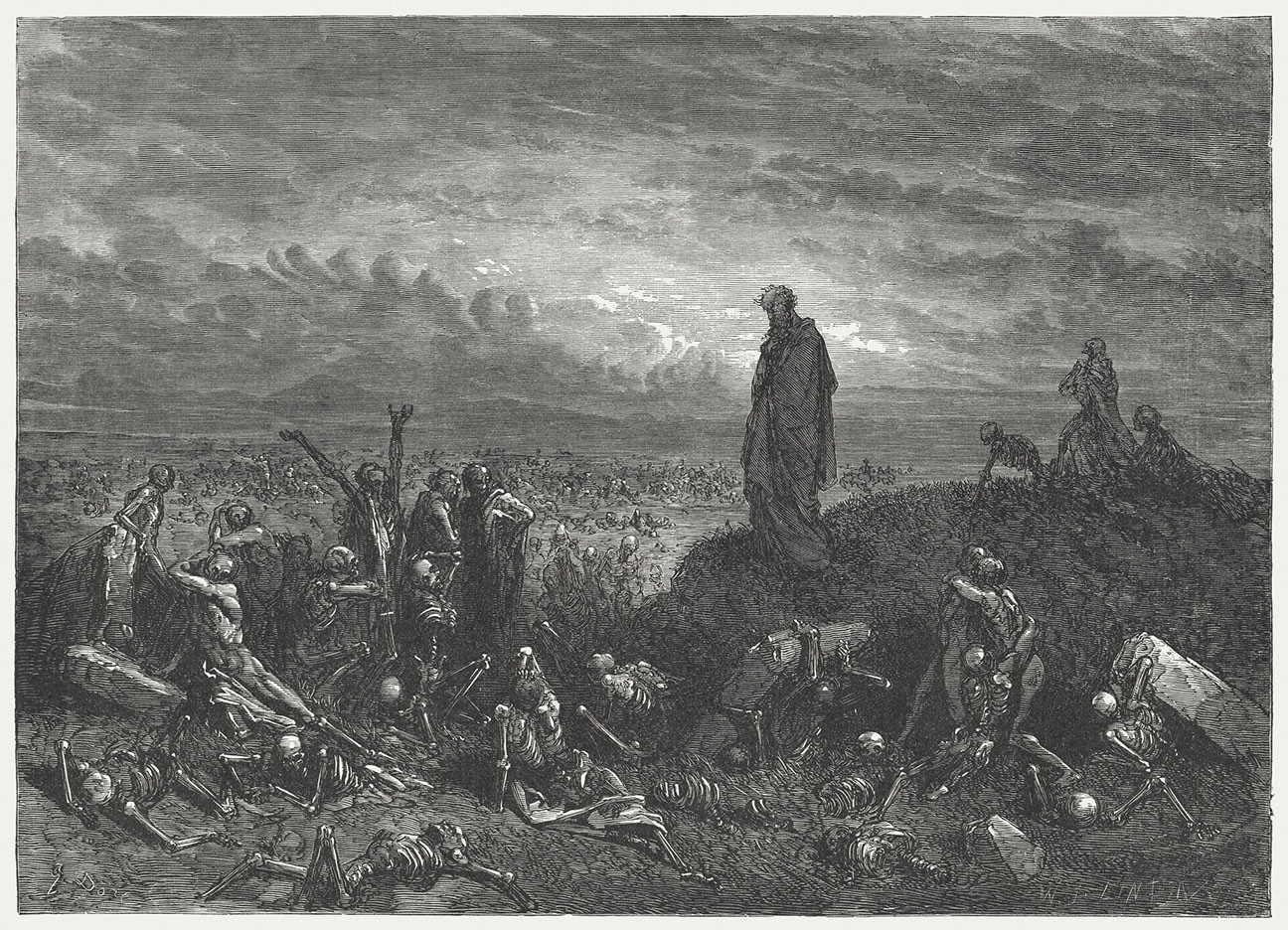
The Valley of Dry Bones (Ezekiel 37, 1 – 14). Wood engraving by Gustave Doré (French illustrator, 1832 – 1883), published in 1886. ZU_09/Getty Images

The dead who had been resurrected
in the Valley of Dry Bones
stood up and sang, till they, rejected,
died again, as dead as stones.

Ezekiel tells us of the first
event, the second he suppressed.
The dry bones had to face the worst,
though they’d once triumphed with the best,

as individuals unable to
survive, dependent on their nation,
whose revival helped them to renew
what they had lost in desiccation.

These scattered sinewed bones became
a helpless travesty, like Jews
whose sad extinction I here blame
on links with Jews they chose to  lose,

and thus despite their genes, not able
like dry bones ever to revive,
unlike Jews with the Israel label
who’ll sinew sinecured survive.

Jon D. Levenson, writing about Ezekiel’s prophecy concerning the dry bones (Ezek. 37:1–14) (Resurrection and the Restoration of Israel: The Ultimate Victory of the God of Life, New Haven: Yale University Press, 2006), cites bSanhedrin 92b , where Rabbi Eliezer states: “The dead whom Ezekiel resurrected stood up, uttered a song, and died.” Levenson points out that whereas Ezekiel’s vision focuses exclusively on the nation which he regarded as immortal, Rabbi Eliezer focuses on the individuals, whose mortality does not share the immortality of the nation.

It is curious that the Hebrew name of Lazarus, whose resurrection is reported only in John 11:1–44, and in none of the synoptic gospels, is the same as that of Rabbi Eliezer, who proclaimed that the dead whom Ezekiel revived “uttered a song, and died.” Is it possible that R. Eliezer was refuting the story told in John.

The last line alludes to the sinew of the thigh that an angel injured while wrestling with Jacob, an event that is the rationale of the ritual of circumcision. (Gen. 32:33), to which Ezek. 37:6 perhaps alludes after describing the revival of the bones in the Valley of Bones:

ו  וְנָתַתִּי עֲלֵיכֶם גִּידִים וְהַעֲלֵתִי עֲלֵיכֶם בָּשָׂר, וְקָרַמְתִּי עֲלֵיכֶם עוֹר, וְנָתַתִּי בָכֶם רוּחַ, וִחְיִיתֶם; וִידַעְתֶּם, כִּי-אֲנִי ה’. 6 And I will lay sinews upon you, and will bring up flesh upon you, and cover you with skin, and put breath in you, and ye shall live; and ye shall know that I am the LORD.’


Gershon Hepner is a poet who has written over 25,000 poems on subjects ranging from music to literature, politics to Torah. He grew up in England and moved to Los Angeles in 1976. Using his varied interests and experiences, he has authored dozens of papers in medical and academic journals, and authored “Legal Friction: Law, Narrative, and Identity Politics in Biblical Israel.” He can be reached at gershonhepner@gmail.com.


Did you enjoy this article?
You'll love our roundtable.

Editor's Picks

Latest Articles

Antisemitism, Deicide, and Revolution

The United States Conference of Catholic Bishops did a remarkable thing: It issued a memorandum to all American Catholic bishops urging them to prepare their teachings carefully during this Easter period and ensure that they accurately present the Church’s positive teachings about Jews.

Chametz Is More than Crumbs in the Corners of our Homes

Chametz is also something that gathers in the corners of our being, the spiritual chametz that, like the physical particles we gather the night before Passover, can infect, wither, influence and sabotage us as we engage with others.

Alpine Flavors—a Crunchy Granola Recipe

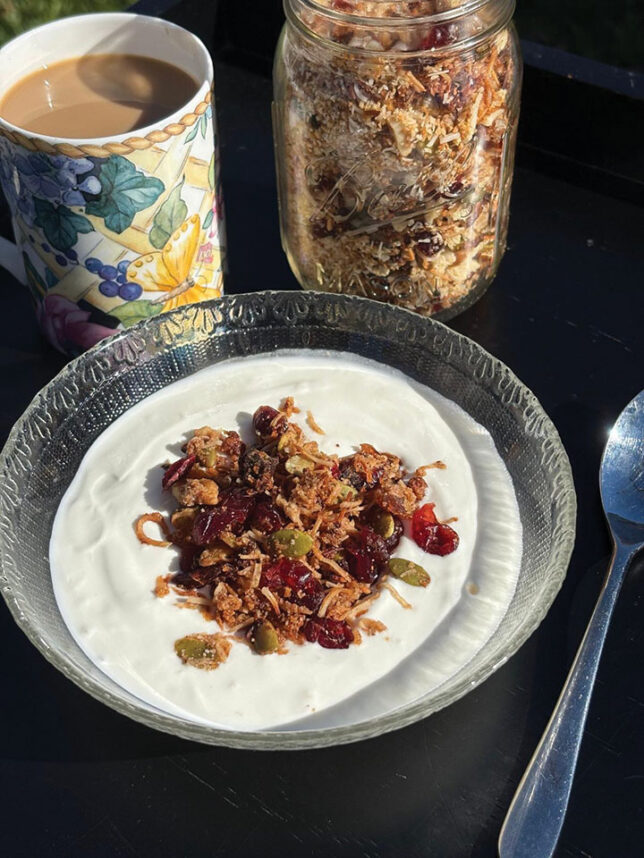
Every Passover, I prepare a truly delicious gluten-free granola. I use lots of nuts and seeds (pistachios, walnuts, almonds and pumpkin seeds) and dried fruits (apricots, dates and cranberries).

Pesach Reflections

How does the Exodus story, Judaism’s foundational narrative of freedom, speak to the present? We asked local leaders, including rabbis, educators and podcasters, to weigh in.

Rosner’s Domain | Be Skeptical of Skeptics, Too

Whoever risks a decisive or semi-decisive prediction of the campaign’s end (and there is a long list of such figures on the Israeli side as well as the American side) is not demonstrating wisdom but rather a lack of seriousness.

When We Can No Longer Agree on Who Is Pharaoh

The Seder asks us to remain present to the tension between competing fears and obligations. It does not require choosing one lesson over the other, but rather, it creates space for us to articulate our concerns and listen to the fears and hopes that shape others’ views.

Pesach at War. Leaving Fast, Leaving Slow.

Freedom, it would seem, is erratic; it happens in fits and starts, three steps forward and two steps back. Freedom is a leap into the unknown, driven by a dream. We will figure it out in time.

More news and opinions than at a Shabbat dinner, right in your inbox.