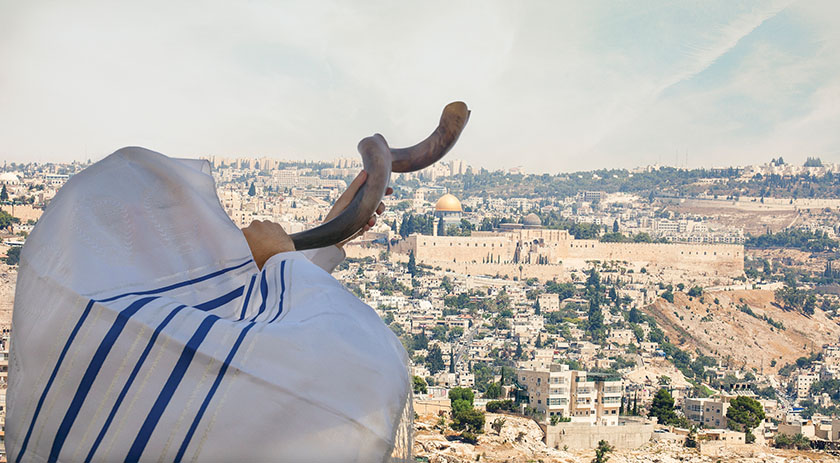
Rosh Hashanah is coming, so we must ask: Was this a good year for Israel? Before you answer, think about two perspectives. One could ask: was it a good year in general? Or was it a good year relative to your expectations? These are two different questions.
At the end of last year, a small majority of Israelis were “pessimistic” about Israel’s future. In other words, their expectations were low to begin with. Another year has passed. Suppose they are just as pessimistic as they were before. In that case, this was a year that neither made things worse nor improved them. Does that make it a “good” year — since a good year is one in which the situation does not deteriorate — or a “bad” year, since a good year is only one in which things get better?
Let’s consider another angle: suppose you expected, last year, that Israel’s security situation would be much worse. This year, perhaps because of the strike on Iran, you think the security situation improved. Does that make it a good year (because things improved) or still a bad year, because Israel remains at war, and an improvement in one area does not move it from the “bad” category into the “good” one?
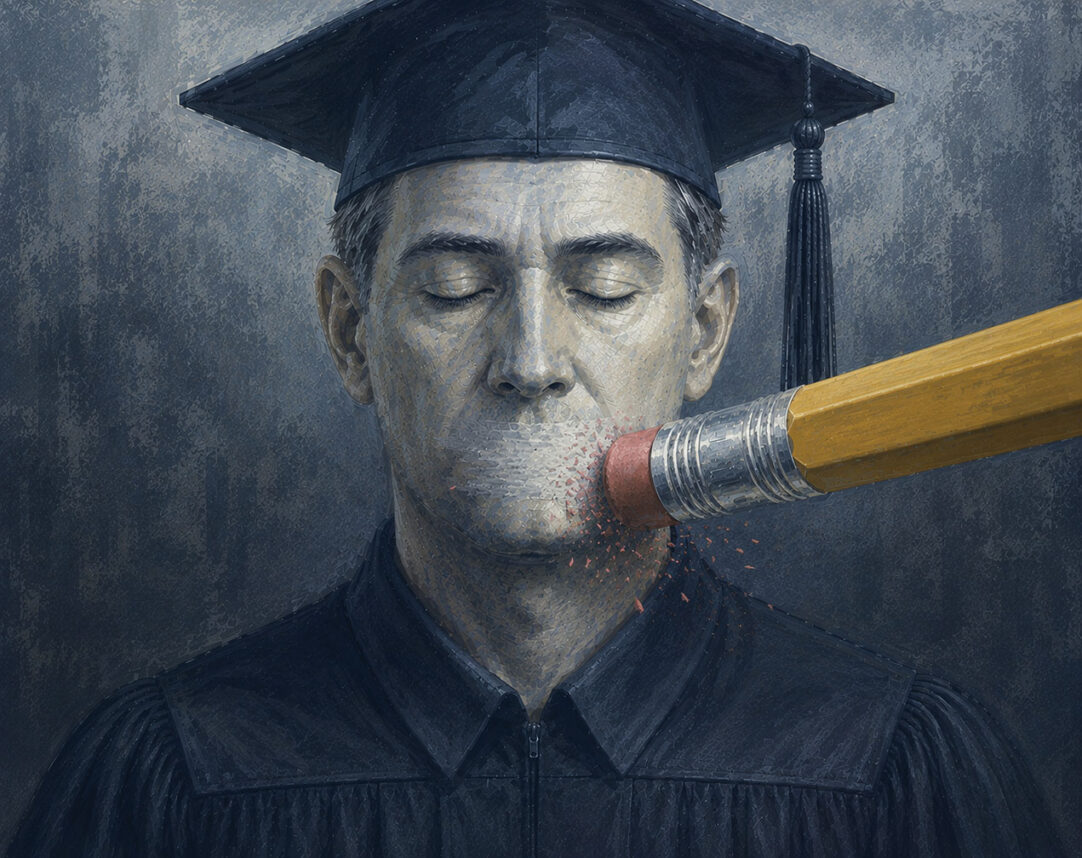
And another one: suppose you believe that the security situation improved, the economic situation remained stagnant and the social situation deteriorated (because polarization returned with full force). Would you call that a good year or a bad year? That would depend, of course, on a follow-up question: what is more important to you, security improvement or social decline?
These are not merely theoretical questions. We ask such questions all the time about economy, security and society. Respondents could say that it was a good year, an average year, not so good or bad. If we count “good” and “average” as satisfied responses, then 38% of Israelis think it was a satisfactory year when they consider security, 36% think it was satisfactory when they consider the economy, and only 20% think the year was socially satisfactory.
38% of Israelis think it was a satisfactory year when they consider security, 36% think it was satisfactory when they consider the economy, and only 20% think the year was socially satisfactory.
So — was it a good year? One can assume that most Israelis would say no. But that still doesn’t answer whether it was better or worse than expectations. Remember, last year a small majority of Israelis were pessimistic about the future, so a year that meets their low expectations is actually … exactly what they expected.
Still, it’s worth noting a few patterns that emerge from these end-of-Jewish year question.
First: About a third of the public supports the coalition. They are the ones who give satisfactory responses to the support question. Note how similar the numbers are: 37% of the public trust Netanyahu, and 36% and 38% respectively say the economy and security were satisfactory.
Second: Even coalition supporters are not particularly satisfied with the social situation. This is important. When we ask about economy and security, there are large gaps between coalition supporters and their opponents. When we ask about society, there is still a gap — but much smaller. And the bottom line is that no camp really thinks this was a good year socially. Example: almost identical shares of Ashkenazim and Mizrahim say it was not a good social year (82% vs. 79%). Nearly identical shares of center-right and center-left Israelis say the year was socially satisfactory (16% vs. 14%). There are differences, yes — but even among Likud supporters, 74% say the social year was unsatisfactory.
Third: Judging the social situation, responses are the clearest. We had four possible answers — good, average, not so good, bad. But so far, we have grouped the first two as positive and the last two as negative. But look closer: among those who give a positive answer on security, half say “good” and half “average” (19% each). Among those who give a negative answer on security, a majority say “bad” (36%) but many still settle for “not so good” (22%). That is not the case with our year of social tention. There, even among those who wish to be positive, almost all would only rank the year “average.” Only 4% of respondents say it was a “good” social year. And at the bottom end of the scale, a very clear majority say “bad” (50%) compared with “not so good” (29%). Four percent “good” versus 50% “bad” on the social issue is a significant and troubling contrast.
Shall we sum it up? Perhaps with one more finding, from a different question: on expectations. Slightly less than a third of Israelis think the country is “on an upward path and things will get better.” You already know who that third is, so we’ll leave them aside. More interesting are those who say Israel is “on a downward path.” Of these, about two-thirds think the decline will continue — they see a bad situation and expect it to get worse. Low expectations for next year. Twenty-two percent of all respondents see decline but expect it to reverse. They see a bad situation and hope it will improve. High expectations, in other words, for next year.
Maybe hope is a sign of the season.
Something I wrote in Hebrew
Thinking about a deal in Gaza isn’t easy. Israelis are as confused as you are:
Result one: 51% of Israelis say that, in their view, it is “more correct” for Israel to “seek to end the war and bring back the hostages even if that means Hamas continues to rule Gaza.” A slim majority, but still a majority. Result two: 55% of Israelis say that the possibility that “Hamas will continue to rule Gaza” is something they “would under no circumstances agree to.” Again — a slim majority, but still a majority. So, according to the first result, a majority of Israelis are willing to let Hamas continue to rule Gaza. And according to the second result, a majority of Israelis are not willing to let Hamas continue to rule Gaza. How can both be true?
A week’s numbers
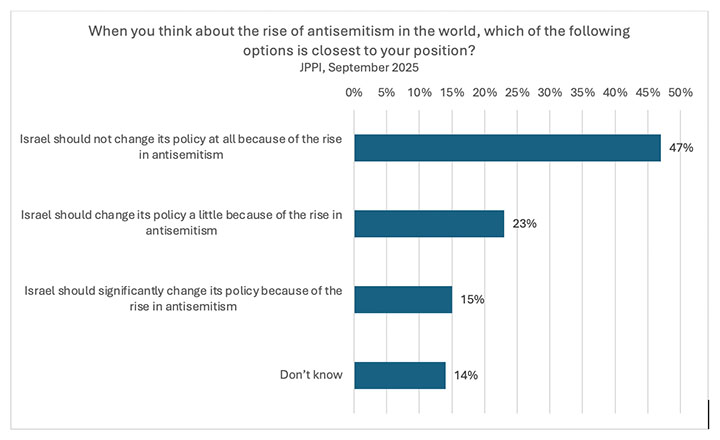
For now, antisemitism doesn’t much impact Israelis’ other considerations.
A reader’s response
Tamara Jacob writes: “Do you follow what they say about Israel killing Kirk?”
My response: Yes, they also say strange things about UFOs.
Shmuel Rosner is senior political editor. For more analysis of Israeli and international politics, visit Rosner’s Domain at jewishjournal.com/rosnersdomain.