fbpx

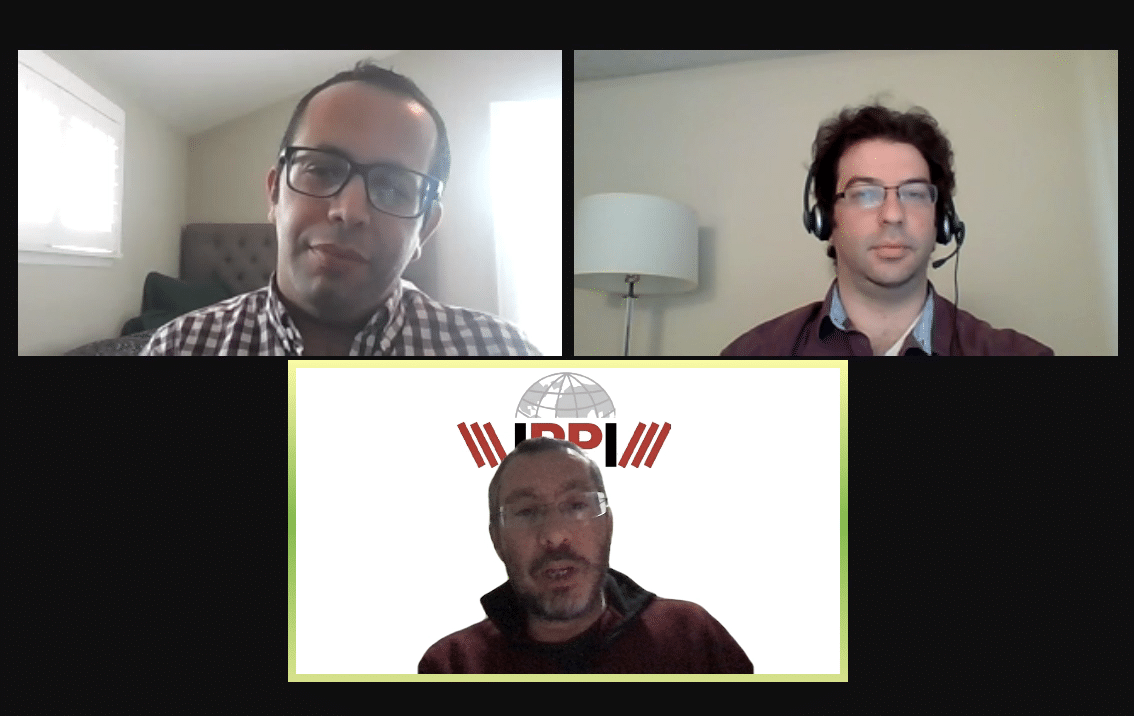
Rosner’s Torah Talk: Tazria-Metzora with Jonah Sanderson and Noah Pollock

[additional-authors]
April 15, 2021

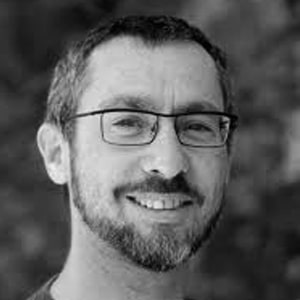
Noah Pollock and Jonah Sanderson attend the Academy for Jewish Religion in California. Pollock was drawn to be a chaplain from reading stories from his grandfather, Rabbi Hillel Silverman, telling about his time in the Navy as a chaplain. Jonah Sanderson’s goal as Jewish clergy is to bring suicide prevention, and disability advocacy into outreach spaces.

This week’s double parashah – Parashat Tazria-Metzora (Leviticus 12:1-15:33) – features rules concerning the purity and impurity of women and the horrible disease of Tzaraat.

Previous Torah Talks on Tazria and Metzora:

Rabbi Mark Sameth

Alan W. Bright

Rabbi Elie Weinstock

Rabbi Joshua Aaronson

Rabbi Hillel Skolnik

Rabbi Jonathan Aaron

Rabbi Sheldon Lewis

Did you enjoy this article?
You'll love our roundtable.

Editor's Picks

A Night of Gratitude Honoring Dennis Prager

Latest Articles

A Jewish Victory

In the face of growing anti-Israel and antisemitic conduct in public schools, the Los Angeles Unified School District has delivered an important victory for our community.

Unbreakable Blue Thread: Reclaiming Our Past and Our Future

I write to you, all you first and second generations, and I assure you from generations five, six and seven that if we keep doing what we need to do, if we stand together, keep our traditions, educate ourselves in our ancient wisdom, keep Hebrew spoken and sung in our midst, we will not only endure. We Jews will thrive.

Unstuck in the Middle with You

Kwall, the Raymond P. Niro Law Professor at DePaul University College of Law, argues for a center defined by enough common commitments to make communal life possible.

Sewage Without Borders

Israel’s water security depends on what flows into the sea on the other side of all of them, and our water policy should start from that reality.

Torah Portion: Vayera

The parsha ends with the binding of Isaac, the Akeida, probably the darkest chapter in the entire Torah.

Let Them Talk

If we want our younger generations to love our faith, our culture, and our peoplehood, we need to be welcoming when they show interest and have a spark of curiosity.

More news and opinions than at a Shabbat dinner, right in your inbox.