fbpx

Rosner’s Torah Talk: Parashat Tazria-Metzora with Rabbi Alan Bright

[additional-authors]
April 19, 2018

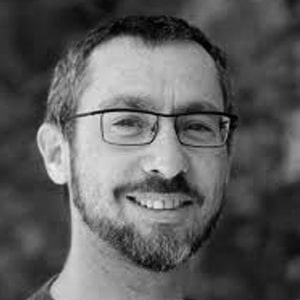
Our guest this week is Rabbi Alan W. Bright of Shaare Zedek Congregation in Montreal. He completed his education doing Jewish Studies from London School of Jewish Studies (London) and Concordia University. He was also at the Yemin Orde and became an active member of this Youth Village.

This week’s double parashah – Parashat Tazria-Metzora (Leviticus 12:1-15:33) – features rules concerning the purity and impurity of women and the horrible disease of leprosy. Our discussion focuses on the priests’ curious attitude toward people inflicted with skin disease.


Previous Torah Talks on Tazria and Metzora:

Rabbi Elie Weinstock

Rabbi Joshua Aaronson

Rabbi Hillel Skolnik

Rabbi Jonathan Aaron

Rabbi Sheldon Lewis


Did you enjoy this article?
You'll love our roundtable.

Editor's Picks

Latest Articles

The Joy Within

Sukkot asks us to receive the harvest that has actually come in—not the one we imagined or wished for.

A Bisl Sukkot ~ Don’t Be Afraid, Go Outside

The sukkah reminds us to go out into the world, especially when the comforts of insularity beckon us closer—to explore paths we have yet to take and seek journeys ready for wandering.

A Harira Hug in the Sukkah

I love making soup for this holiday because even if the days are still warm, the cooler evenings make you start craving something warm and comforting.

The Beat Goes On

While so much of the world seems obsessed with and consumed by its hatred of Israel and Jews, Israelis continue to build, create, work, celebrate, argue, raise families, and plan for the future.

Viral AI Video Targets Jewish Comedian

“The biggest concern is that people now have a pathway to shut down Jewish voices through complete falsities that people will believe. … For the future of Jewish entertainment, it’s very scary.”

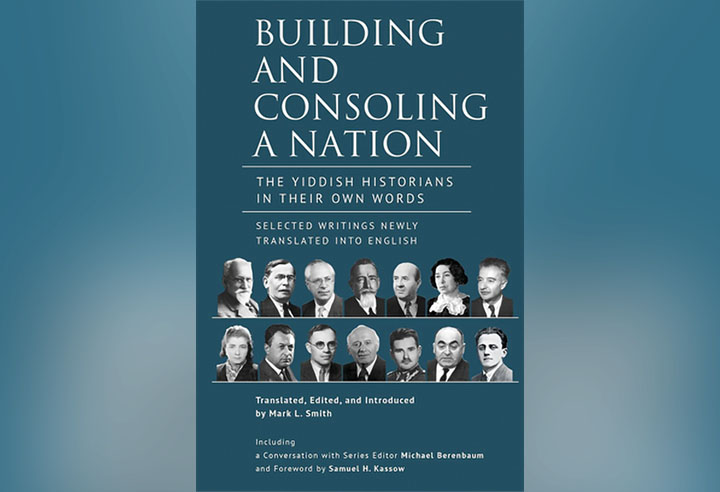
Yiddish Historians: Writing in Their Own Language for Their Own People

Mark Smith has compiled an important anthology of Jewish history using 49 works by Yiddish historians to recreate or at least open the door to a world of Jewish thought that was once almost mainstream, but which no longer exists, except in the minds of too few specialists.

More news and opinions than at a Shabbat dinner, right in your inbox.