Dear Deborah,
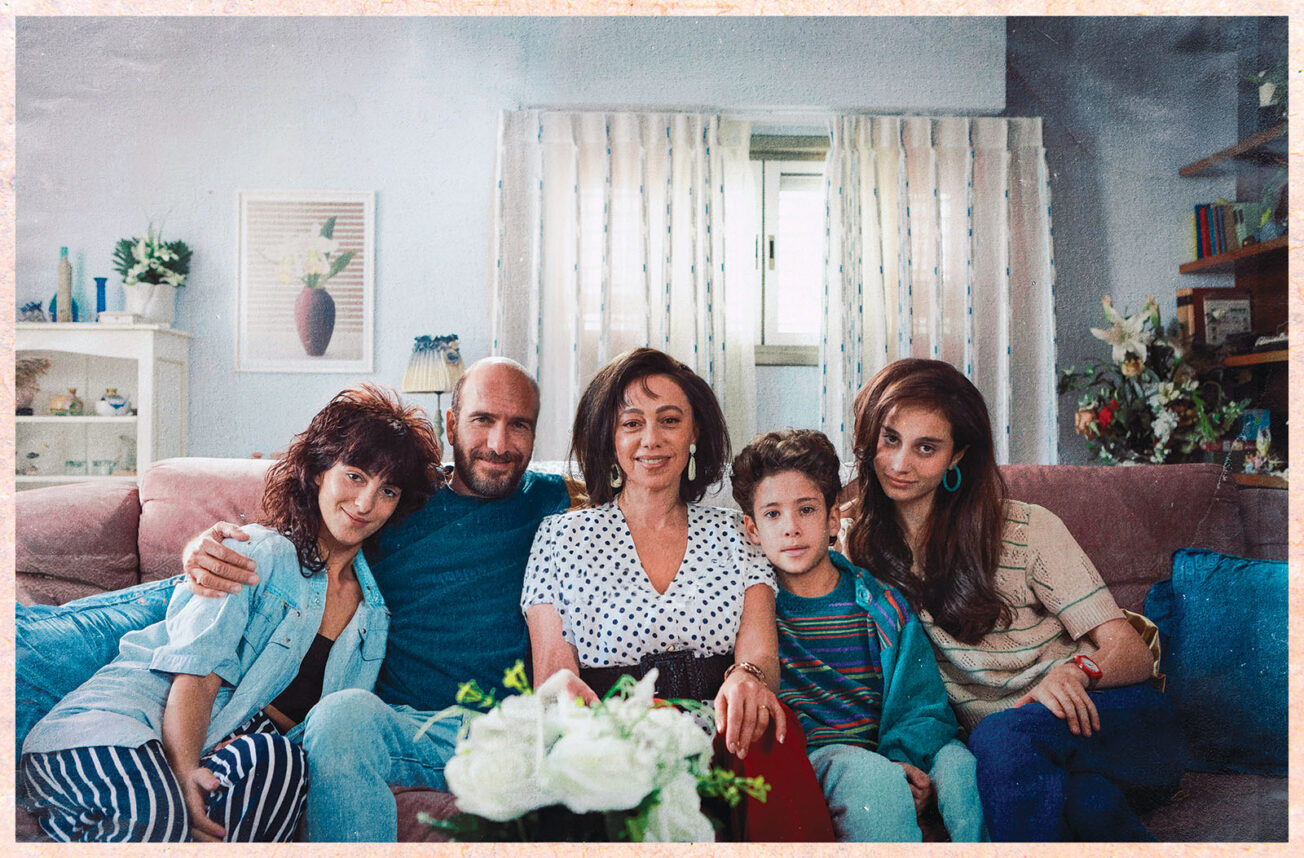
I read your column in The Jewish Journal and waswondering if you have any good advice on sibling relationships. Yousee, my three sons are always at war. Since they were small, myhusband and I had to pull them apart, and now that they are adults ithas only gotten worse.
They don’t go to each other’s homes, and theirchildren — all the little cousins — only see each other at formalevents. At these events, my children either ignore each other or afight erupts. They argue over silly things like who will get thisring, that fur or the silver. They still “tattle” on each other tous, and we are fed up. One day we will no longer be here to break upthe fights and we feel sad that when we pass away, they will have nothave one another.
Why are they like this? I appreciate any help youmight be able to give me.
B.
Dear B.,
From the beginning of time, siblings have foughtover one thing — their parents’ love. Even if there is enough loveto go around, children still need to feel like the sun rises and setsupon them in the eyes of their parents, and to feel adored,singularly, specially and above all others. Not an easy task whenthere is more than one child, even in the best and most lovingfamilies.
When parents do not take sides, and when theyencourage their children to resolve their conflicts together andnever interfere in children’s fights (unless, of course, blood hasbeen drawn), the children learn their parents do not choose one overthe other. When parents are able to attune to the individual needs ofeach child, sibling rivalry is minimized.
At this stage, your adult children may not wish toor be able to resolve their conflicts. From your end, however, youmight create some boundaries. Write a letter to all three sons andtell them you and your husband are no longer available to listen tocomplaints about each other. Tell them they will all be invited tofamily functions, and if there is any arguing, they will not beinvited back. As for your material possessions, tell your sons thatyou have clearly instructed your attorney that if any one of themcontests your will, he will instantly lose his portion of theestate.
Don Juan Woebegone
Dear Deborah,
I am a 44-year-old divorcee and belong to aprofessional organization in my field. We have classes, meetings,lectures and social events, and it really is like a second home. Manyof my friends are members and I have carefully dated one or two menthere. What I mean by “carefully” is that since these are people Isee regularly, I don’t want to burn bridges, so I date only men whoare mature and capable of staying friends if the romance doesn’t workout.
My dilemma is that I have been in love for twoyears with one of the men in my organization. He is 52, small and notparticularly attractive, and has been divorced at least once. Heflirts with me constantly, teases and seduces discreetly (never infront of others), but when I have invited him out to lunch or adrink, he has declined. Yet he constantly tells me I am compelling,sexy, brilliant and fabulous, commenting on my clothes, hair,perfume, legs, etc. The tension is building, yet he never acts on theattraction outside of the organization’s walls. I must say, he doeshave a bit of a heartbreaker reputation. But why would a man flirt,tease and seduce if he does not mean it? What on earth could he bethinking?
I know what you’d say, Deborah. You’d say: “Askhim.” I did. He said he never dates women in the organization for thesame reasons I date only with great caution. I then sent him a letterin response explaining my feelings of love and my thoughts aboutquitting the organization in order to date him. He never responded tomy letter, but then he is known for his flakiness. Plus, the flirtingcontinues.
This situation is making me so uncomfortable. I amat my wit’s end and practically ready to quit the organization. If Istay, I can’t date him and am faced with what constantly feels likerejection by the man I love. If I leave, I give up my second home fora shot at this relationship. What if it doesn’t work out with him, orworse, if he never asks me out once I leave?
I can’t think straight about this anylonger.
RS
Dear RS,
You are right. You cannot think straight. So heregoes:
A non-response is a response indeed. He’s notinterested in a real relationship or he’d have said so.
He sounds like a Don Juan. I’d wager that if heonly flirts with you when there are no others present, he does sowith others, whose broken hearts are the trophies he collects on hismantle and are evidence to him that he is desirable — small, not soattractive perhaps, yet nonetheless able to seduce.
You know, your rule about not, uh, soiling whereyou eat is a good one, and yet you are in danger of breaking it forthis heartbreaker. Why? What’s up? Sounds to me like it is you whomay not be capable of remaining “mature” or “capable of friendship”should things not work out.
Anyway, since you have never been intimate withhim, just how well could you possibly know him? Understand that it isnot him with whom you are in love, but rather how you feel aboutyourself in his presence. “Compelling, sexy, brilliant and fabulous”are strong aphrodisiacs. I suggest you put the little fellow in hisproper place — out of your heart and mind — and take yourbrilliant, sexy self out of the cloistered closet of yourorganization and into broad daylight.
Deborah Berger-Reiss is a West Los Angelespsychotherapist.
All letters to DearDeborah require a name, address andtelephone number for purposes of verification. Names will, of course,be withheld upon request. Our readers should know that when names areused in a letter, they are fictitious.
Dear Deborah welcomes your letters. Responses canbe given only in the newspaper. Send letters to Deborah Berger-Reiss,1800 S. Robertson Blvd., Ste. 927, Los Angeles, CA 90035. You canalso send E-mail: deborahb@primenet.com