About a decade ago, I was interviewing Professor Richard Hovannisian, the eminent UCLA authority on modern Armenian history.
He lamented the state of the Armenian Diaspora in Los Angeles, with its infighting and confrontations between church leaders, and its American-born generations forgetting the mother tongue and marrying out at an alarming rate.
“Hey,” I said, “that sounds exactly like the Jews.”
“Yes,” responded Hovannisian, “except you’ve got your country, and we haven’t.”
Since the breakup of the Soviet Union, Armenians, proud of the oldest civilization in Christendom — always conquered but never vanquished — have finally regained their own country.
But, judging by Leslie Ayvazian’s play, “Nine Armenians,” at the Taper Forum, the redeemed portion of the ancestral land is not a happy place.
Embroiled in constant warfare with its Moslem neighbor, Azerbaijan, and bedeviled by a stagnant economy, the Armenia presented to us is a country bereft of basic amenities, a place where starving citizens have burned their trees and furniture for some spark of warmth during the harsh winters.
As the fate of Israel and the memory of the Holocaust pervade the consciousness of American Jews, so do Armenia and the genocide of 1.5 million of their ancestors permeate the consciousness of American Armenians.
These twin markers of the Armenian experience are a constant underlying presence in the play, with the remembrance of the genocide as a festering wound. The scar has never healed, because the Turks have never acknowledged their guilt and the world — in contrast to the Holocaust — still largely ignores the deep tragedy.
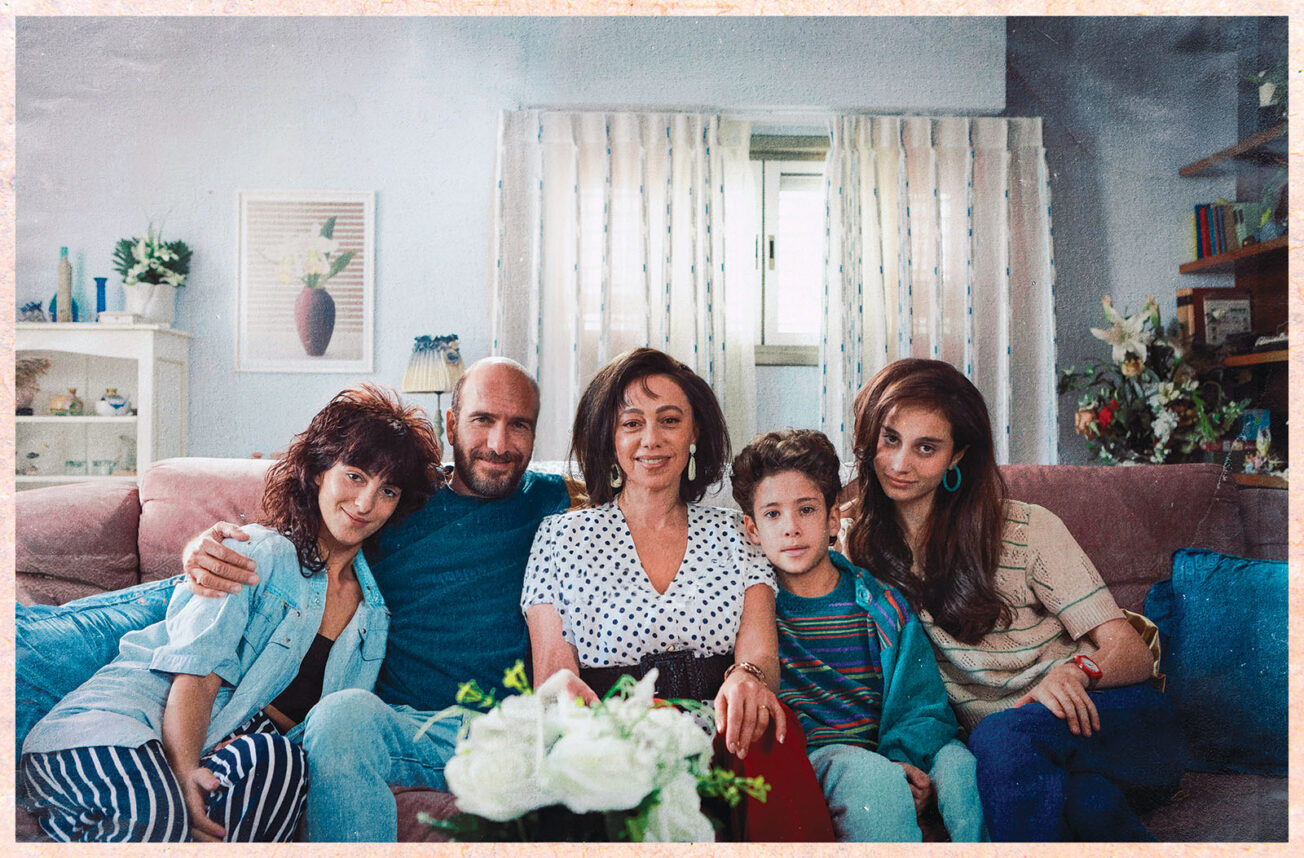
Playwright Ayvazian and director Gordon Davidson work hard to show that, otherwise, the three-generation clan of the play’s title leads a warm, haimish, American family life.
There is the normal quota of affection, bickering, humor, death and growth, and an extraordinary amount of hugging and yelling — apparently, two Armenian ethnic traits.
Yet, with all this, few of the characters are developed fully and deeply enough to warrant the full engagement of the audience or to transmit a distinctly Armenian persona and distinctiveness to the non-Armenian.
A laudable exception is the family matriarch, Grandmother Non, portrayed by Magda Harout. Whether imparting Old World wisdom, showing her granddaughter how to really express suffering, or leading a lively regional dance, Harout infuses her role with warmth and élan.
“Nine Armenians” ends on Aug. 31. For tickets and times, call (213) 628- 2772.