I love cookbooks, but on lazy summer days, I usually read fiction — few cookbooks are engaging enough to replace a good novel. And when I go into the kitchen at all, it’s usually just to stand in front of the open freezer. But when I do find a cookbook that captures me, cooking with it is just a plus.
Diana Shaw’s newest book, “The Essential Vegetarian” (Clarkson Potter, $22.50), meets all my foodie needs. Shaw, the author of the popular “Almost Vegetarian Cookbook,” is neither a complete vegetarian nor a professional chef. Writing in a relaxed, friendly manner, she makes it known early that she is not part of the food police. Many recipes feature eggs and dairy products, and some things include sugar. But everything is geared to a low-fat diet.
Eating about an 85-percent vegetarian diet myself — as do more and more people who keep kosher — I sometimes forget that there is more to meatless living than veggie burgers. Shaw gives many recipes for soups, risottoes, pastas and soufflés, and she makes them all sound incredibly easy. And her take on Jewish and Middle Eastern standbys such as baba ghanouj, borscht (both cherry and sweet-and-sour), pita bread, tabbouleh, blintz casserole, breakfast kugel and hummus emphasize low-fat, easy-to-follow preparations.
There are plenty of other recipes in this 600-page tome to entice you into the kitchen — Pumpkin Waffles, Artichoke Risotto and Sweet Potato Soufflé — even if, like me, you end up sprawled on the couch, air conditioner blasting, contentedly reading Shaw’s book.
— Tamara Liebman
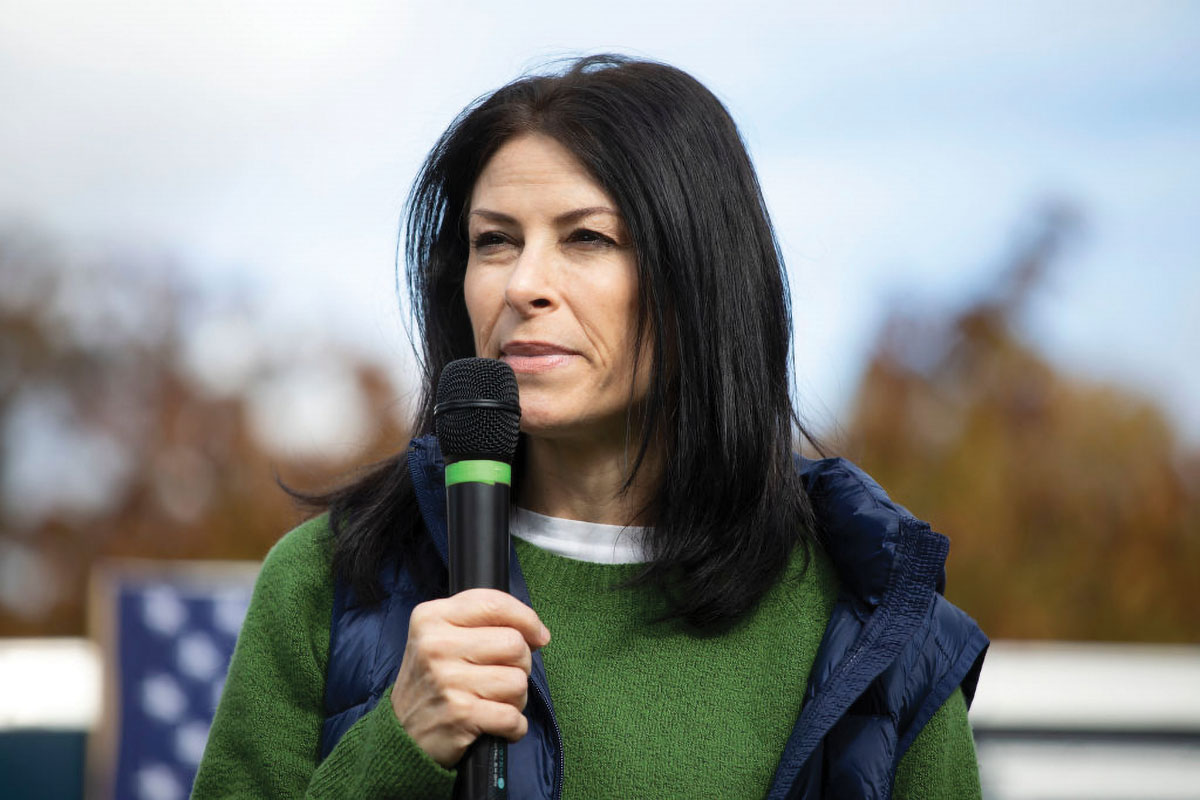
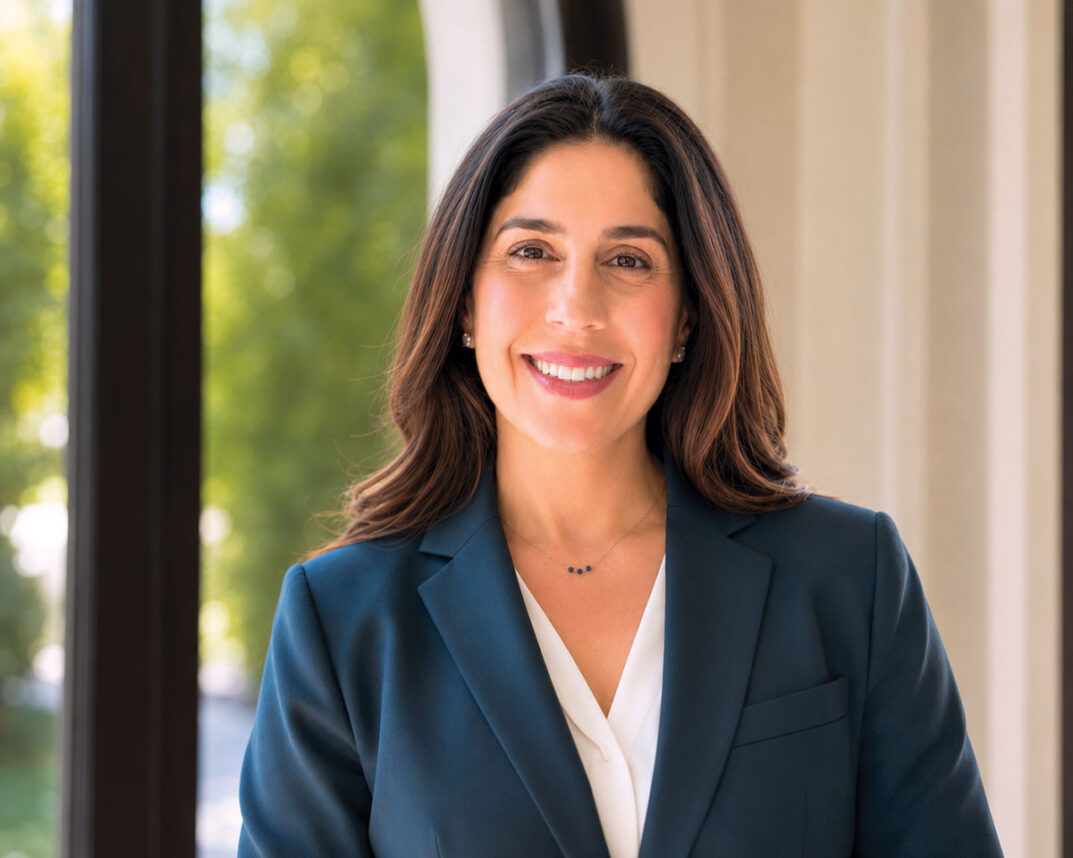
From top Sydney Weisman, Dr. Judith Reichman, and Dr. Judy B. Rosener.
Coincidence or…?
W
here do you turn if you really want to find out what’s happening in Los Angeles? Well, there’s “Which Way, L.A.?” on KCRW, there’s Bill Rosendahl’s round tables on Century Cable, and there’s “Life & Times” on KCET.
Now, three new commentators have been tapped to appear on the acclaimed talking-heads show “Life & Times,” joining regulars Hugh Hewitt, Patt Morrison and Kerman Maddox on a rotating basis. The new commentators are Dr. Judith Reichman, a gynecologist and women’s health advocate; entrepreneur Sydney Weisman; and Dr. Judy B. Rosener, professor at UC Irvine’s Graduate School of Management. Reichman will discuss health and medical issues, Weisman will focus on small business, and Rosener will examine issues relating to work.
Up Front can’t help but notice that the three commentators chosen by show producers to dissect modern-day Los Angeles all happen to be Jewish women. Producer Val Zavalla laughed off any notion of intention: These are just three highly competent experts. And congratulations to them.
JTN’s ‘Big Shots’
If Showtime can do it, why not JTN? The Jewish Television Network has taken a page from the book of Showtime, HBO and other cable channels and has begun producing its own made-for-cable movies.
Its original, four-part drama, “Big Shots,” debuted on July 22 and will continue through Aug. 11, with episodes airing on local cable channels each Tuesday evening.
“Big Shots” examines how five fictional characters combine their Jewish identities with their Hollywood careers. Cast members share memories from personal journals, providing insights, says the press release, “into characters’ thoughts, feelings and ultimate career path.” A kind of “Blue-and-White Shoe Diaries,” if you will.
The series stars Ed Asner, Bonnie Franklin, Steve Landesberg, Jonathan Prince and Larry Pressman. Al Rabin directed from scripts by Richard Allen. Funding came from JTN’s board of directors, which includes many people who know a thing or two about entertainment-industry success and being Jewish, among them Jeff Sagansky, Bruce Ramer and Danny Goldberg.
Headquartered in Los Angeles, the not-for-profit JTN is the only Jewish broadcast network in the United States. It is carried in 5 million homes across the country. Call your local cable company to find out when “Big Shots” airs.
An Israeli-Saudi Alliance?
Who wouldn’t want to live in John Briley’s shoes for a while? When a wealthy, well-connected Moroccan businessman commissioned the Academy Award-winning screenwriter (“Gandhi”) to write a sympathetic screenplay about the Arab world, he put at the writer’s disposal a twin-engine French jet, two Swiss pilots, a flight attendant, passport-less entry to every Arab nation and immediate access to everyone, from ministers to camel herders.
When a production company asked Briley to write a film adaptation of the classic story of Israel’s independence, “O Jerusalem!” Briley toured Israel with the book’s co-author, Dominique LaPierre, meeting everyone, from Binyamin Netanyahu to Teddy Kollek to Palestinian leaders to Legionnaires.
The result of all this research is combined in Briley’s just-released novel, “The First Stone” (Morrow, $24), the story of a Jewish UCLA student named Lisa Cooper, who becomes a Mossad mole by marrying into a Saudi family. The plot turns on Lisa’s efforts to bring Israel and Saudi Arabia together on the basis of shared interests and common enemies.
Briley latched onto the idea in a conversation with his father-in-law, who wondered aloud if Israel and the Saudi kingdom shouldn’t form a strategic alliance. Briley ran with it, incorporating insiders’ knowledge of life in a Saudi harem, on an Israeli kibbutz (his daughter spent time on Cabri, in the north) and as a Mossad mole (LaPierre introduced him to several).
But far from being a political treatise, Briley’s book is a quick summer read, as Frappacino-like as fiction gets. True, as Briley said in an interview with Up Front, the inevitable change in the Saudi regime will be a crisis for Israel and the world. And “The First Stone,” amid its double-dagger dealing and steamy desert sex, does make a case for worrying about it. And we will — when summer’s over.