Finally, it’s over: the first anniversary of the Sept. 11 terror attacks in Washington and New York was a media extravaganza that provided a blend of remembrance, healing and strong TV ratings.
But there was a glaring gap. Despite the somber patriotism of the day, there were few hints that the American people understand the very real difficulties ahead, or the huge sacrifices it will take if the Bush administration is serious about an all-out war against terrorism.
Those lessons are ones that Israel’s citizens learned long ago, but they have yet to penetrate the American consciousness, despite last week’s self-congratulatory ceremonies. And the nation’s leaders are doing nothing to correct that misunderstanding. On the contrary, their politics-as-usual focus is sending exactly the opposite message.
A year ago, as the World Trade Center lay in ruins and the Pentagon still smoldered, President Bush rallied the nation with a promise to fight terrorist groups around the world and the nations that support them. And he warned that this new kind of war will require real sacrifices from the American people — noble words, but ones that have not been backed up with action.
The Bush administration and Congress have been loathe to face the real costs of this war, and in doing so, they are making it much harder to fight and win it. Energy dependence is one glaring example. Some of the key financiers and shelterers of the terrorists who have declared war on America are among our biggest oil suppliers, starting with Saudi Arabia.
But the Bush administration, with deep ties to the oil industry, has steadfastly avoided telling the American people the obvious truth: our addiction to oil-guzzling vehicles and an energy-profligate way of life means that we’re starting the fight against terrorism badly hobbled. There isn’t a hint that the administration wants consumers to turn down their thermostats or give up their monster SUVs. Will there be gas rationing, like during World War ll? Perish the thought.
Instead, the administration’s only answer is to demand the opening of the Arctic National Wildlife Reserve to oil exploration and drilling, an action that even optimists concede would cut U.S. dependence on foreign oil only a little. But never mind, demanding sacrifice is politically risky.
The war on terrorism is also going to be extraordinarily expensive. But again, the message from the administration and Congress is: What, me worry?
Defense spending is soaring to pay for the current war in Afghanistan and the possible strike against Iraq. Spending on homeland security is putting another huge dent in the budget.
So are Americans being asked to support this war with higher taxes? Not on your life. In fact, Bush wants even deeper tax cuts, his all-purpose panacea for every economic problem.
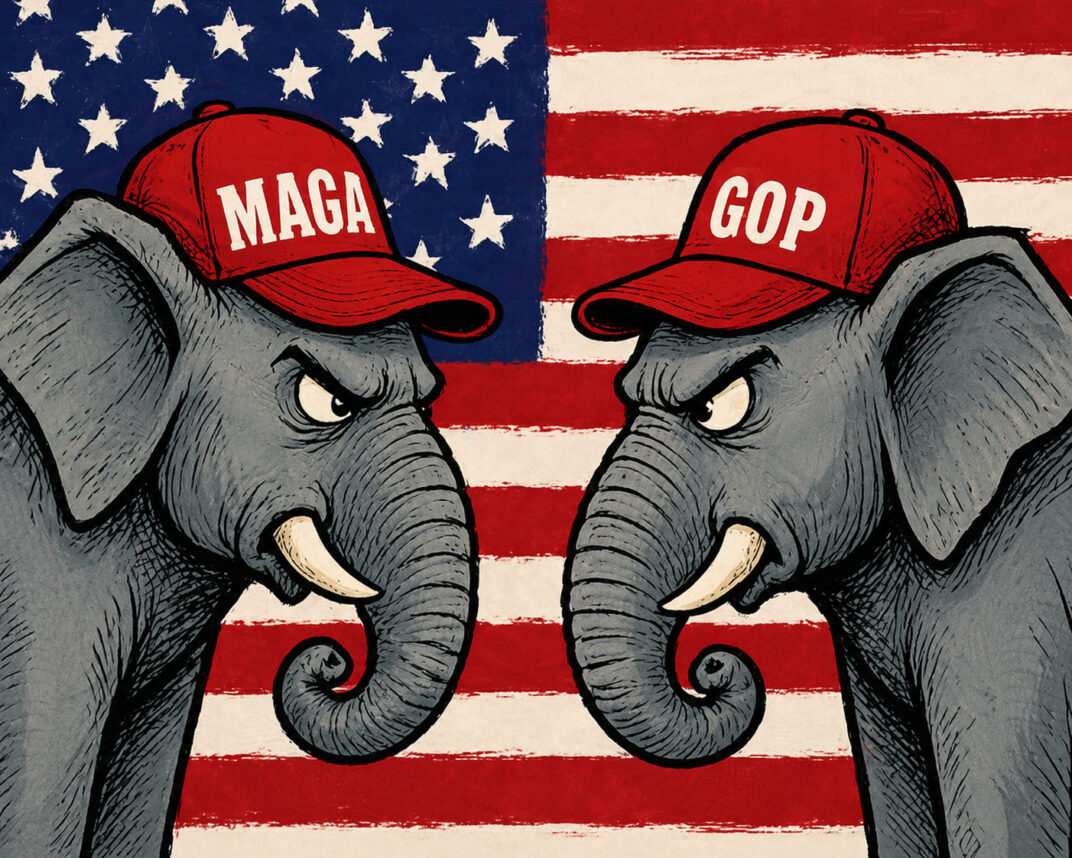
The administration and Congress — Democrats and Republicans alike — are engaged in massive economic denial reminiscent of President Lyndon B. Johnson’s claim during the 1960s that the nation could have both guns and butter, and that the Vietnam War needn’t produce any new economic strains.
All of this sends a crystal clear message to the American people: sacrifice is for speeches, not everyday life. When politicians are unwilling to take the slightest political risk to meet the realities of this new kind of war, they shouldn’t expect the American people to rise to the occasion when they are asked to bite the bullet.
The administration’s growing emphasis on Iraq amplifies the problem. What was once viewed as a years-long, multifront battle against an elusive enemy has been redefined as a much more conventional war against an easily identifiable bogeyman.
How much harder can it be to defeat Saddam Hussein in 2002 than it was in 1991, when the Gulf War was about as cost-free a war as can be, at least from the American perspective? The result: Americans may be even less inclined to expect personal sacrifice as one cost of victory.
After Sept. 11, it was common to hear Americans express a new sympathy for Israel, because “we’ve experienced it now, too.” Hardly.
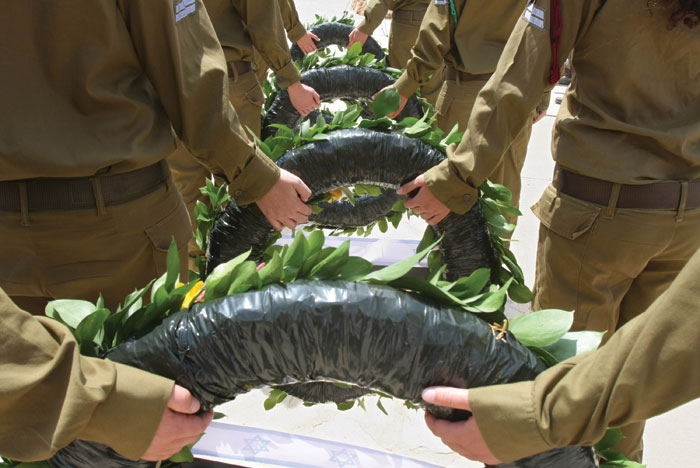
Virtually every Israeli knows someone personally touched by terror. Ordinary Israelis serve in the military reserves, and know that they will likely have to put their lives on the line to fight terror. They feel the pinch of a budget skewed to meet the demands of perpetual warfare.
Those are the realities of their fight against terror. In theory, America has launched an even more ambitious one. But the nation’s leaders, still consumed by politics as usual, are pretending otherwise. That refusal to be honest with the American people could seriously impede our war against terrorism, if, indeed, a serious war was ever their intent.