fbpx

Hitler bunker reconstructed in Berlin and tens of thousands have come to see

[additional-authors]
August 2, 2017
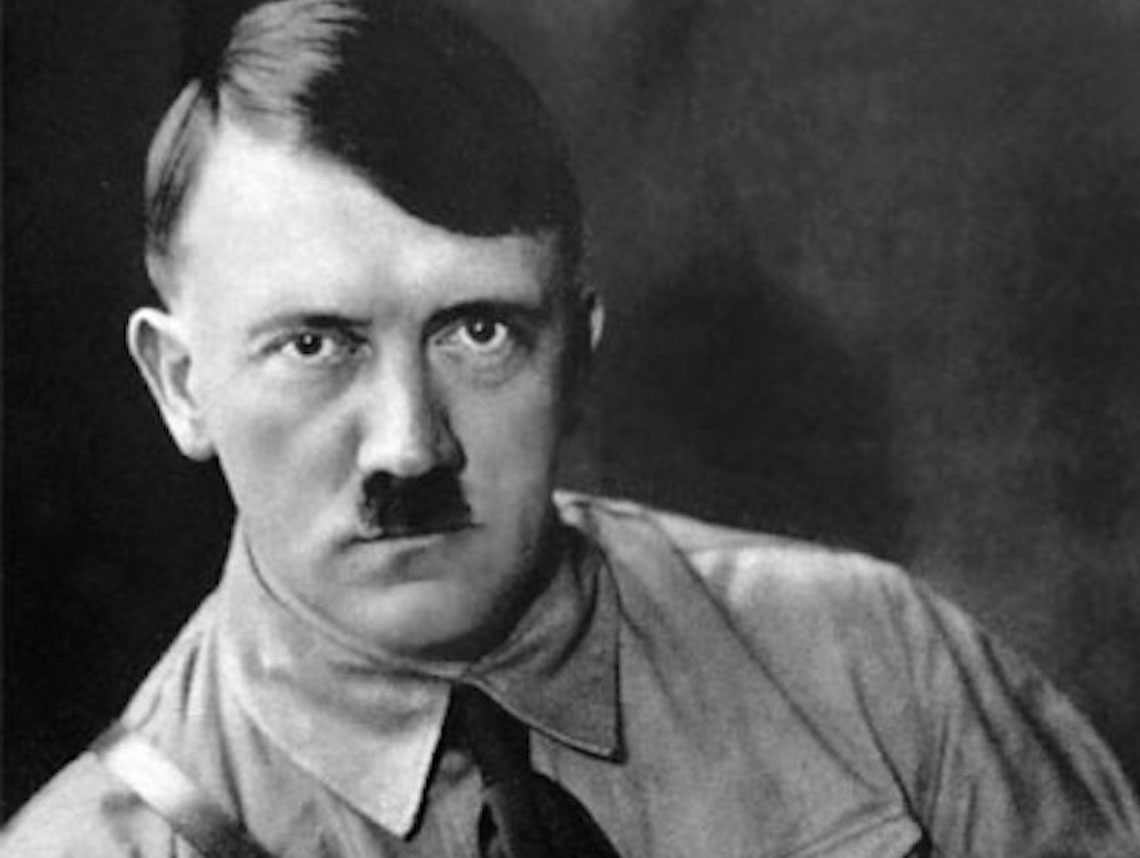
Adolf Hitler. Photo from Wikimedia Commons

Adolf Hitler continues to fascinate, and a new exhibition in Berlin is proof: a reconstruction of the bunker where the German chancellor took his life in April 1945.

More than 20,000 visitors reportedly have poured in to see the exhibition titled “Hitler: How Could It Happen?” since its opening two months ago. Billed as the “world’s largest documentation about Hitler,” the exhibition was created in four months at a cost of $1.5 million.

Meant to show the dangers of dictatorship, the exhibition also contains thousands of documents, photos and objects that tell the life story of the Nazi dictator, ending with his suicide.

Historian Wieland Giebel, the exhibition’s curator, and museum entrepreneur Enno Lenze told the German media that they wanted to show how low a society can go when it hands over the reins to a dictator. Their re-created bunker is behind glass and, like the wax figure of Hitler in the nearby Madame Tussauds, cannot be photographed by visitors.

Giebel, 67, told Reuters he has been accused of promoting a “Hitler Disney” for re-creating the bunker. His answer: “This room is where the crimes ended, where everything ended, so that’s why we’re showing it.”

Hitler’s actual underground bunker was destroyed in 1947; its site is marked by an informational sign. Several civilian bomb shelters — like the one used for this museum — still stand in the city, nearly indestructible by conventional means.

Before opening the new Hitler-centric museum, Lenze ceremoniously destroyed a clay bust of the dictator and added the shards to a pile of rubble in the exhibition.


Did you enjoy this article?
You'll love our roundtable.

Editor's Picks

Latest Articles

Lessons in Gratitude

The deepest expression of gratitude isn’t simply saying thank you for what we’ve received. It’s allowing what we’ve received to shape who we are, who we become, and how we treat others throughout our lives.

A Thanksgiving to Remember

The first holiday my family celebrated in Los Angeles was Thanksgiving. Although it was many decades ago, I can picture that day like it was yesterday and my heart bursts with gratitude for how meaningful and special that day was.

The Thanksgiving Parade and a Jewish Pennsylvanian

The Gimbel family had benefitted greatly from America, and for that they were grateful. A Jewish family, thankful for the freedom to pursue the American Dream, gifted the country, among its many contributions, its quintessential Thanksgiving public celebration.

From a Global People to a People of Israel

Today, 46% of world Jewry lives in Israel. In 2070, according to the forecast, 62% will live there. The U.S. share of world Jewry will drop from 39% to 26%, which numerically means 1.2 million fewer people.

Giving Thanks

Below are some of the things for which I am grateful.

The Magic Words

At every turn Judaism is a religion that is held up by gratitude. Our identity is linked with this most remarkable value, to be grateful.

An Attitude of Gratitude

I raise my glass of Martinelli’s and wish you all a happy, healthy, grateful Thanksgiving.

More news and opinions than at a Shabbat dinner, right in your inbox.