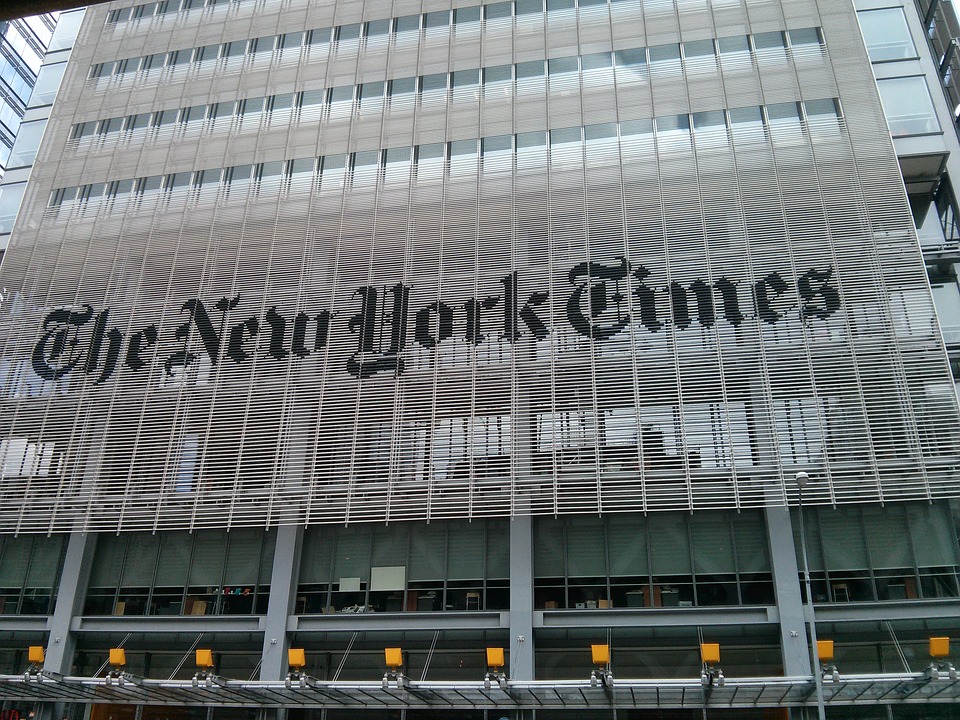
The New York Times has been criticized for running a March 21 article highlighting the role of Orthodox Jewish organizations in then-President Donald Trump’s pardons.
The story focused on two organizations — the Aleph Institute and Tzedek Association, both of which lobby for criminal justice reform — that helped get Trump to commute the sentences of several individuals. According to the Times, the Aleph Institute was successful in getting 27 sentences pardoned or commuted out of 238 total; four of those individuals were people who had donated to the organization. The pardons and commutations involved convictions of various white collar crimes, such as money laundering and health insurance fraud.
The Times also highlighted the two organizations’ connections to attorney and law professor Alan Dershowitz, who was part of Trump’s first impeachment defense team, as well as to the Kushner family. Jared Kushner, Trump’s son-in-law, served as a senior White House adviser during the Trump presidency.
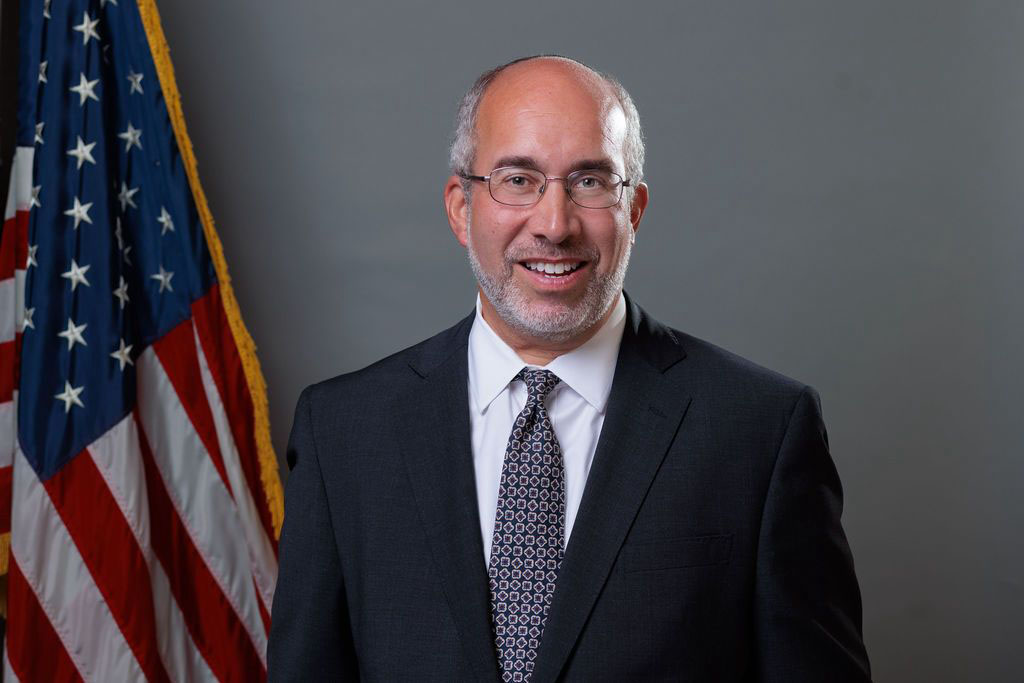
Anti-Defamation League (ADL) CEO Jonathan Greenblatt criticized the article in a Twitter thread, stating that while the issue of Trump’s pardons is important, the article “is problematic in its coverage of Orthodox Jewish organizations.” “What does the Orthodox Jewish nature of the [organization] have to do with the point of the story?” Greenblatt wrote. “Did the journalist identify the religion of every person exonerated and identify a pattern? This isn’t a wink and a nod toward some Jewish conspiracy, it’s outright misleading.”
Greenblatt added that the Times also depicted Orthodox Jews as “singularly spreading COVID-19” in early 2020. “So it begs the question, why are Orthodox Jews still singled out, almost as if they were a reasonable target for prejudice? Why is it OK for reporters to focus again and again to call out the level of observance of these groups? It has no bearing on the story and must stop.”
For example, what does the Orthodox Jewish nature of the org. have to do with the point of the story? Did the journalist identify the religion of every person exonerated and identify a pattern? This isn’t a wink and a nod toward some Jewish conspiracy, it’s outright misleading.
— Jonathan Greenblatt (@JGreenblattADL) March 21, 2021
And this isn’t the first time that Orthodox Jews have been called out by the @nytimes in questionable ways.
We saw it in the way they were portrayed by the paper early last year, as if they were singularly spreading #COVID19. And now we see this in the early days of 2021.— Jonathan Greenblatt (@JGreenblattADL) March 21, 2021
So it begs the question, why are Orthodox Jews still singled out, almost as if they were a reasonable target for prejudice? Why is it OK for reporters to focus again and again to call out the level of observance of these groups? It has no bearing on the story and must stop.
— Jonathan Greenblatt (@JGreenblattADL) March 21, 2021
Batya Ungar-Sargon, deputy opinion editor of Newsweek, also tweeted, “Anyone else who had done as much to mitigate mass incarceration would be lauder as a hero. But when Orthodox Jews do it, the whole enterprise is tainted by their ‘lobbying,’ their ‘lawyers,’ their ‘loose network’ and of course, the crime of being Orthodox Jews to begin with!”
Anyone else who had done as much to mitigate mass incarceration would be lauder as a hero. But when Orthodox Jews do it, the whole enterprise is tainted by their "lobbying," their "lawyers," their "loose network" and of course, the crime of being Orthodox Jews to begin with!
— Batya Ungar-Sargon (@bungarsargon) March 21, 2021
Ari Ingel, director of Creative Community for Peace, tweeted, “What does them being Jewish have to do with anything? Let alone Orthodox Jews? At a time when more than half of all hate crimes in NY are against Jews, this née article of yours makes you complicit in this.” He linked to a New York Times article from February 2020 about how Hasidic Jews are afraid of being targeted for their religion.
What does them being Jewish have to do with anything? Let alone Orthodox Jews? At a time when more than half of all hate crimes in NY are against Jews, this née article of yours makes you complicit in this: https://t.co/AJiwDSe6Yr
— Ari Ingel (@OGAride) March 22, 2021
Ilan Sinelnikov, founder and president of Students Supporting Israel, similarly tweeted: “This is how the New York Times helps and promotes the spread of Antisemitism. The same newspaper that pushed reporters on the Holocaust to its back pages.”
And this is how the New York Times helps and promotes the spread of Antisemitism. The same newspaper that pushed reporters on the Holocaust to its back pages.
— Ilan Sinelnikov (@ilan_sinelnikov) March 22, 2021
The Times did not respond to the Journal’s request for comment.