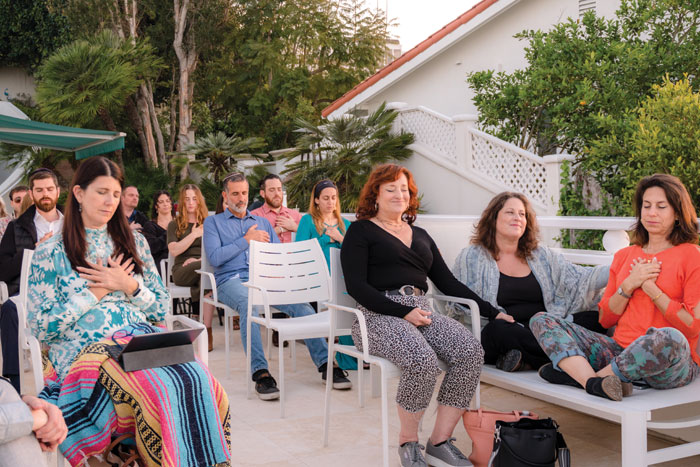
It could have been any yoga, mindfulness or spiritual gathering, but this crowd of young Jewish seekers came to hear the Millennial Rabbi, Daniel Bortz, and have him take them on a spiritual journey.
The springtime setting sun cast a golden glow across the gathering of women and men, most in their early twenties. This was not an ordinary gathering for the privileged set. Tonight’s event centered around the experiential meaning of freedom, a meditative Passover preparation for the soul led by Rabbi Bortz.
When I contemplate the spiritual moments that inspire me most, it’s those that touch my soul and are felt in the body.
When I contemplate the spiritual moments that inspire me most, it’s those that touch my soul and are felt in the body. Unlike most of my friends who were born Jewish, I converted in my late 30s, drawn to Judaism for personal reasons. In the years since my conversion, I’ve created many Jewish memories around the holidays and celebrations, the baking of challah, lighting shabbat candles, living in Israel, and instilling a Jewish identity in my children. Where I’ve struggled is in connecting spiritually in the synagogue setting, and like many Jews, have stopped attending services except for the high holidays or milestones such as bar or bat mitzvahs.
Through song, meditation, breath work, chanting and personal contemplation, he makes Judaism relatable to members of all ages, and particularly that cohort of millennials who identify as “spiritual” but have wandered away from their Jewish roots.
That is where Rabbi Bortz is making a difference with spiritual seekers. With his Soul X (short for Soul Experience), he’s creating the kind of experiential Jewish gatherings that bridge the intellect of Judaism with the yearnings of our hearts and souls to find a deeper meaning in our faith and teachings. Through song, meditation, breath work, chanting and personal contemplation, he makes Judaism relatable to members of all ages, and particularly that cohort of millennials who identify as “spiritual” but have wandered away from their Jewish roots.
I’ve attended several of his evening retreats in the San Diego area, his hub and childhood home, (through Soul X, Rabbi Bortz hosts events in New York, Miami, Los Angeles and San Diego). Each time I’m moved to see so many young people emotionally engaged.
The other night was no exception. The evening started with breathwork led by Joshua Church, a Jewish healer who led a guided session while the sun set. Breathing is a tool and technique to connect our mind, body and spirit, and yet for most of us, breathing is automatic without focus or intent. Rabbi Daniel explained that in Egypt the Israelites were said to have “shortness of breath” indicating their enslavement.
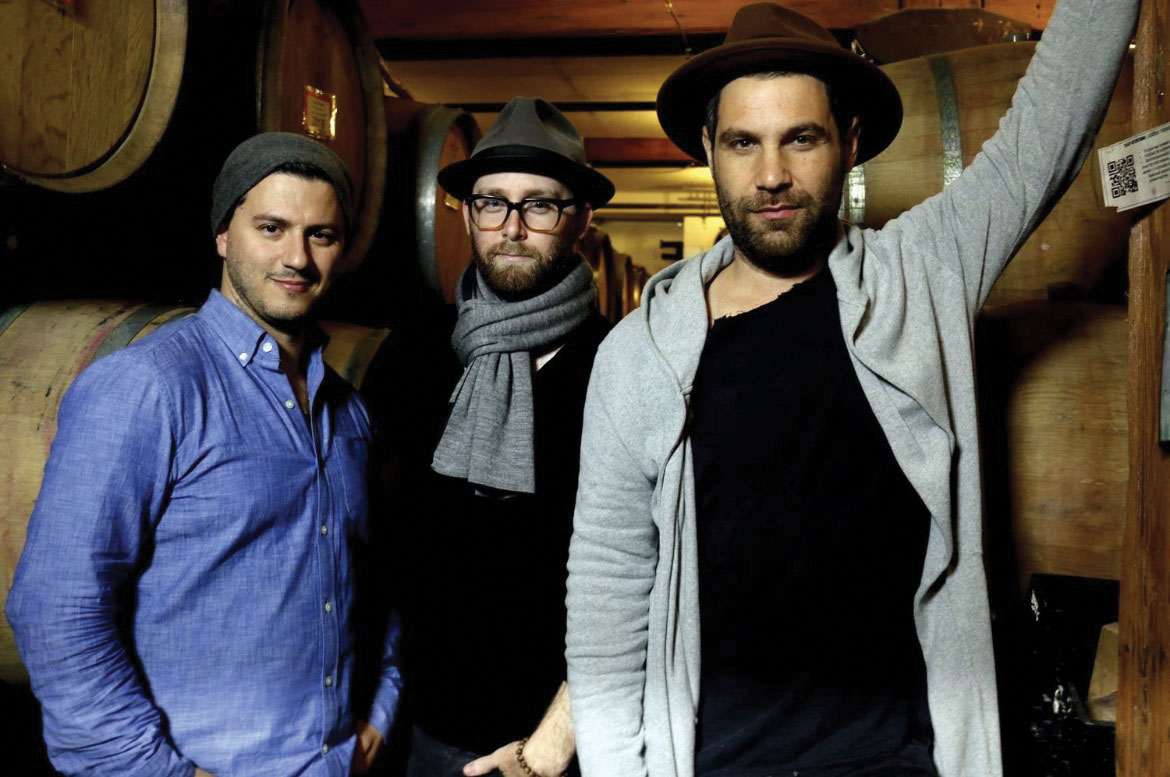
The evening also featured performances from the “spirit folk” band Cedars of Lebanon as well as a guided sound healing meditation, elevated with incense and essential oils based on the Biblical incense.
This all set the framework for the focus of the evening: exploring our personal journeys out of our inner Egypt, particularly “the doubts and negative self-talk” that keep us trapped in the past, “enslaved by our past actions and anxiety over the future” according to Rabbi Daniel.
This is where Rabbi Daniel truly shines, for he has a remarkable ability to relate the teachings of Torah and our history to the intentionality of mindfulness practices. Weaving stories about the Hebrew calendar and the sacredness of time, taking a pause from the busy-ness of daily living in spaces that allow for more soulful connections, he’s creating the sacred space for seekers to find the soul in their Judaism.
By marrying intentionality with Jewish intellect and prayer, he is showing us the way to touch the souls of those who seek a connection to the divine Jewishly, beyond the structure of traditional Judaism today.
Rabbi Daniel himself is a seeker. He came to be an observant Jew on his own at age 16. He became an ordained rabbi at age 23 and began focusing his efforts on teens and young adults. He understands that to make Judaism accessible and powerfully relatable he must meet young people where they’re at on social media with the intent to gather in person. Beyond his powerful videos and podcasts, he is most impactful through his Soul X experiences.
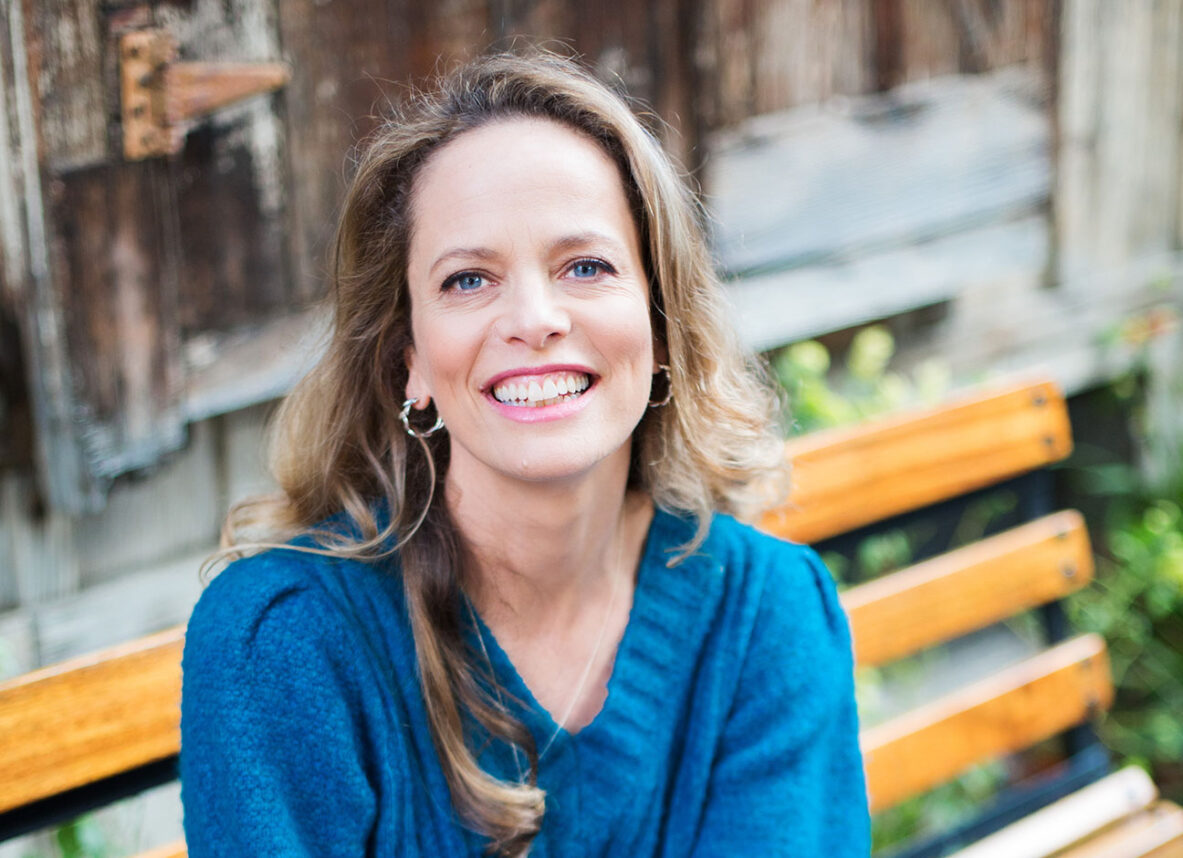
Tina Bernard converted to Judaism in 2009, and is a former staff writer for the San Diego Jewish Journal. This is her first piece in five years.