
It is late in the game for Pharaoh. Mitzrayim has just endured the penultimate plague: Dark. Pharaoh now knows he has little time left: It is, for him, the bottom of the ninth.
He summons Moshe, as he has done so many times before, and for the first time conducts an earnest negotiation. The king of Egypt now concedes the demand Moshe had made earlier — everyone may go, even the women and children. Only, says the Pharaoh, you must leave your cattle behind. Moshe declines the offer, and ups the ante. Not only are we going to take our cattle with us, he insists, but you must supplement the herd with some of your own.
Now, the Torah does not record this, but I imagine that there was, at this point, another negotiation. Pharaoh probably said: “Why do you need so many animals, and so many different kinds? I understand you are going to worship your god, and he will demand sacrifice. But come on, now! If your god likes goats, take goats; if he prefers cows, take cows; if it’s sheep he demands, take all the sheep you want. But why do you need to take them all? This makes no sense at all, and, moreover, it’s wasteful! Take only what you need.”
Now we understand Moshe’s reply. We must take it all with us, he says, because “we will not know how to serve the Lord until we arrive there.”
At last we have arrived at the real dispute between Moshe and Pharaoh, between God and Mitzrayim. Pharaoh, an Egyptian, knew what every god wanted — the exact method of honoring each idol and deity in the pantheon. Egypt was all about certainty and permanence. There was one eternal way, and nothing left to chance.
Moshe knew that when we serve God, we always live with uncertainty. How do we know for sure what God will ask of us? We know what He asked of our ancestors, but He might have a different plan for us. The answers of the past are a useful place to begin — an absolute requirement, actually — but that will not ensure success. In the worship of God, as in mutual funds, past performance is no guarantee of future results.
Ibn Ezra offers this: We don’t know if we will need to serve God with this or with that, or with much or with little. Sometimes a small quantity of one service will be more pleasing to God than an overabundance of another service. We must be spiritually alert, flexible and well supplied.
In Mitzrayim, in the place of no options, there was no room for doubt. The world order, including the spiritual order, was not subject to speculation. The answers had all been given, and our assignments were not subject to change. Slaves were slaves; masters were masters. Some enjoyed a life of luxury, others toiled in the pit. And each god was well known and predictable.
For Israel, doubt is not an enemy of service. When we stand before God, we do not come with perfect clarity. We bring to God’s service all our confusions and disappointments as well as our faith and commitment. We don’t have all the answers — in fact, we don’t know all the right questions — but this does not prevent us from serving God with joy.
It is because of our uncertainty that we must bring to the task of serving God all our resources: our intellect, our experience, our imagination, and our learning. We cannot do it alone; we need to take with us all the wisdom we can find. Some resources will come from unexpected sources, like Pharaoh. Some will come from study of Torah and commentaries, of Talmud and codes, of Jewish history and literature. Some will come from our family, friends, teachers and community. Some will be a gift from heaven.
In our journeys out of Egypt toward Mount Sinai — the place of encounter between God and Israel, the place of Torah and covenant — we are always in between. We have left the verities of Egypt, and have not yet arrived at the world of truth, the place where ambiguities will be resolved. Until then, until we arrived there, we must be clever. If we bring all we have and all we can obtain to the tasks of serving God in this world, we might, when called, be ready.
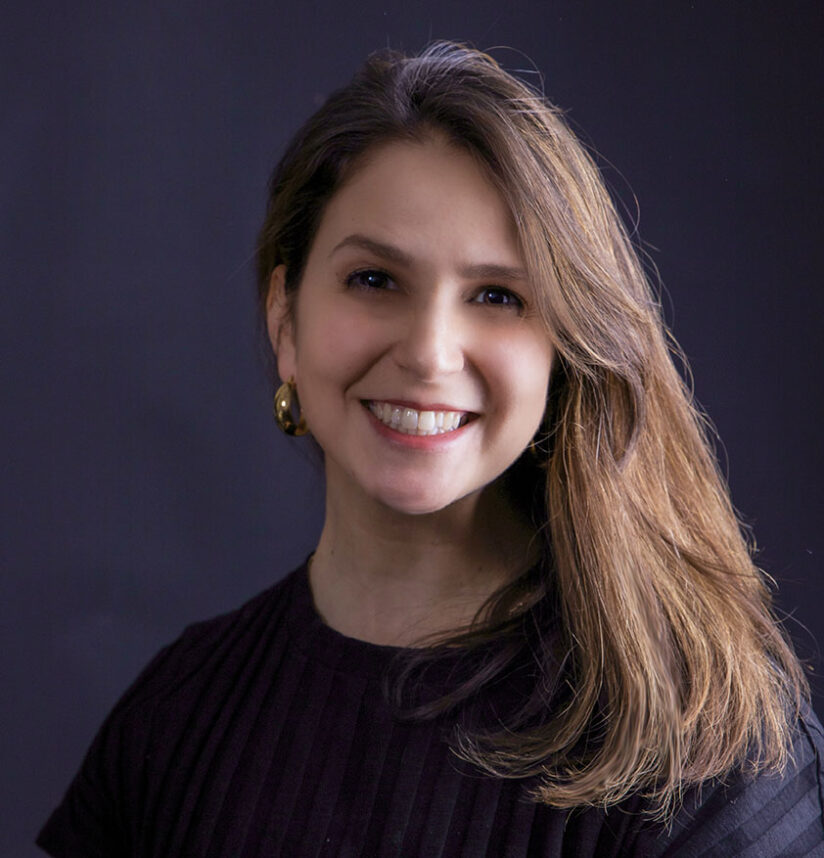
Rabbi Dan Shevitz serves Congregation Mishkon Tephilo in Venice and teaches rabbinical students at the American Jewish University.

















 More news and opinions than at a Shabbat dinner, right in your inbox.