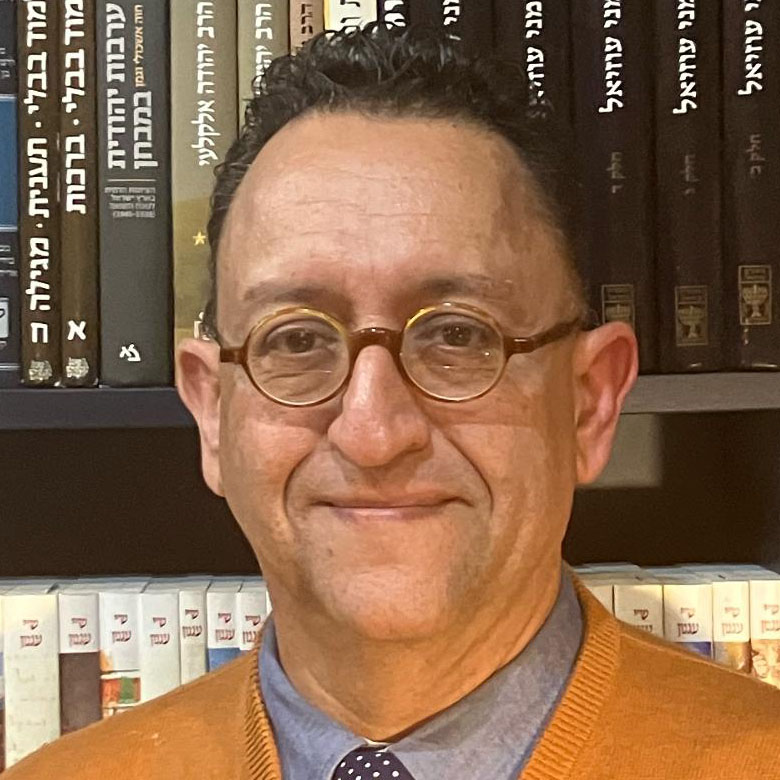

Does Judaism have a mission statement? Rabino Abraham Shalem – a distinguished rabbinic scholar who served Sephardic communities in Seattle, Peru and Mexico (hence “Rabino”) – told me it does.
I was privileged to know Rabino Shalem personally. For many years I would visit him regularly in his book-lined apartment in Jerusalem. It was my rabbinical “Tuesdays with Morrie.” I listened with love to his intriguing stories, but I especially loved hearing his gems of Torah wisdom.
As one of the last living students of Rabbi Benzion Uziel, Rabino Shalem upheld the universalist teachings of his master.
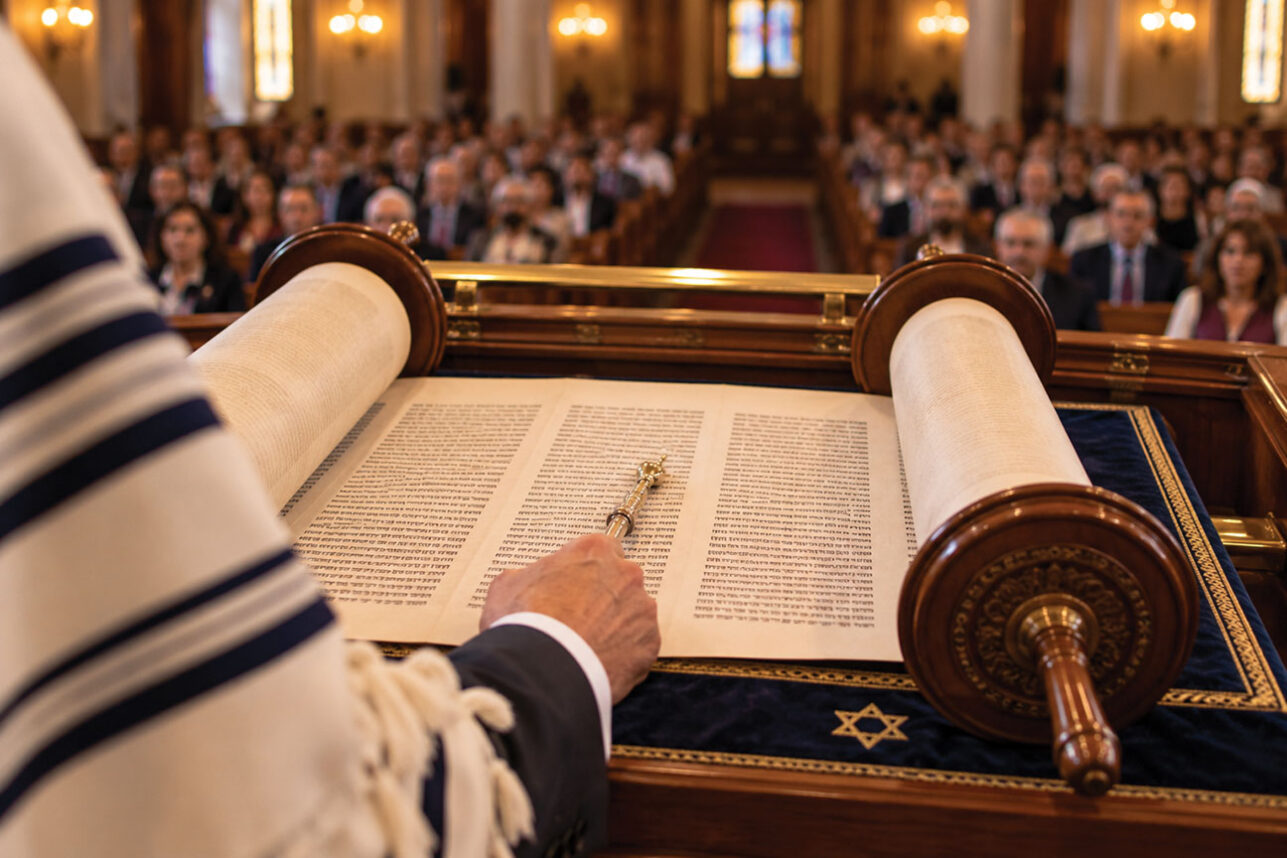
“The Torah is our constitution” he told me one Tuesday, “but how do we assure that it has an impact on the whole world?”
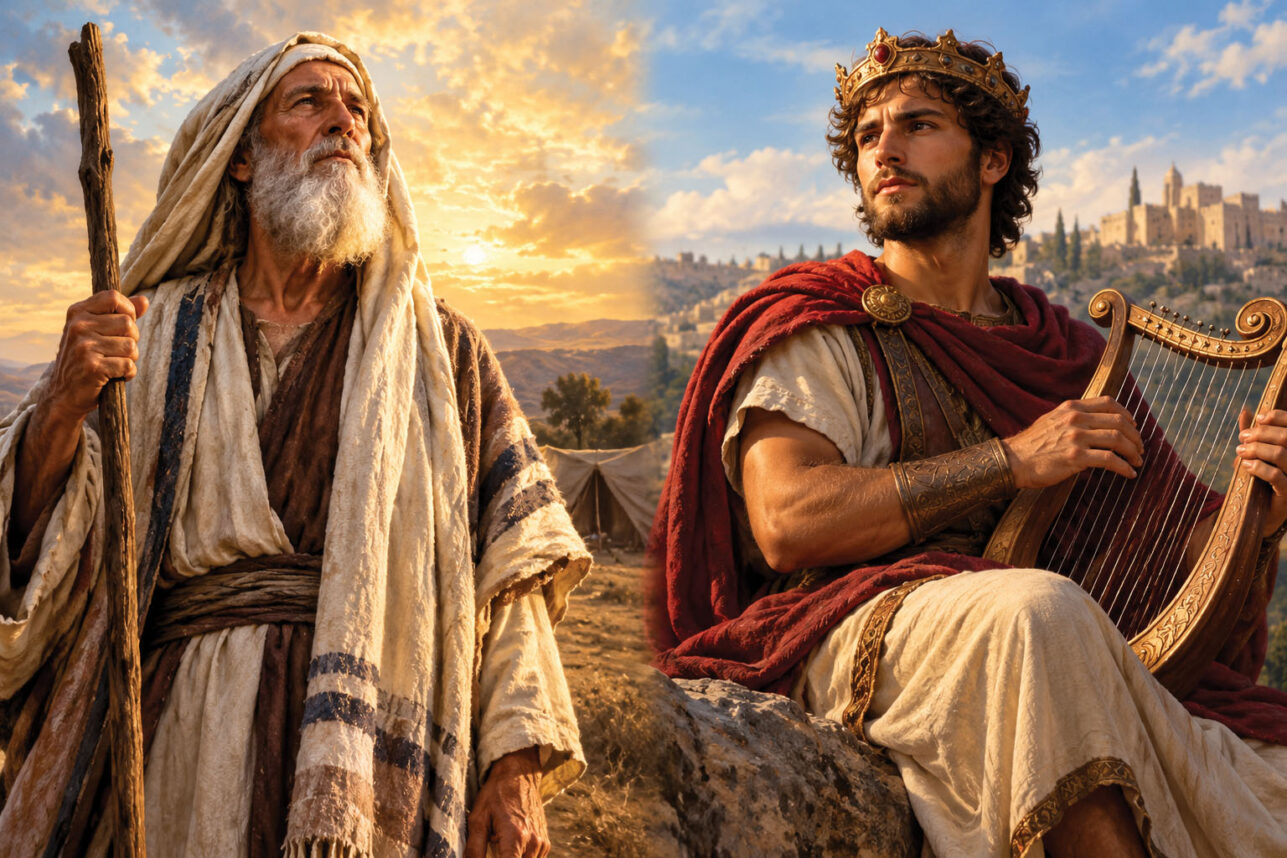
“Long before we came to Mount Sinai,” said Rabino Shalem, “God spoke to Abraham – not me, but our patriarch.” He winked and smiled with such charm.
“God wanted to make sure that Abraham and his descendants understood our larger purpose on earth. The world was already a broken place, in desperate need of repair. It still is.”
With great emotion, he then said to me: “God proclaimed that Abraham was chosen to teach his descendants ‘The way of God, performing acts of charity and justice.’ This is our larger purpose on earth as Jews – performing acts of charity and justice.”
Pointing to his bookshelf, he asked me to bring him a certain book with a green cover. He opened it and read a stirring passage to me in Hebrew (my translation below):
“It is not sufficient to treat the Torah as a dry constitution. If humanity will not blend the ethics of charity and justice into our intellectual and scientific achievements, and if humanity will not work towards assuring truth, equality and the right of existence for all beings created in God’s image, without discrimination based on creed, color or religion, then humanity will impose upon itself and the world a devastating and destructive holocaust. Repairing the world under Divine Providence is only possible when human beings love one another and preserve one another’s rights. All of this can be achieved by performing acts of charity and justice.”
I was mesmerized.
“Who wrote this book?” I asked Rabino Shalem.
With a beautiful blend of humility and pride, he responded: “I did.”
I asked him where I could get a copy. He took that one, wrote me a personal inscription, and handed it to me.
I cherish that book, those “Tuesdays with Rabino Shalem,” and the compelling vision for Judaism he taught me – and all of us – that Tuesday.
Shabbat Shalom