“To be stringent in the laws of conversion is to be lenient on assimilation.”
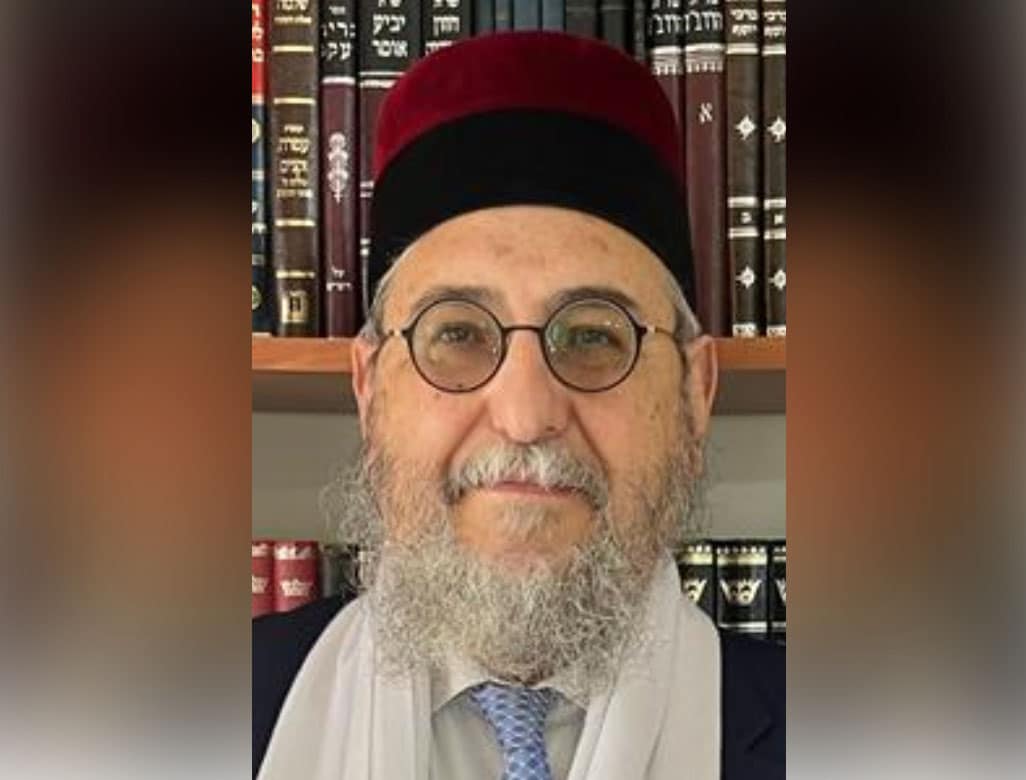
This clever play on halakhic lingo is the brainchild of Rabbi Haim Amsellem, this generation’s leading rabbinic scholar on conversion to Judaism. Born in Algeria and raised in Lyon, Rabbi Amsellem descends from a long line of Sephardic rabbis. His family made aliyah when he was eleven. A Talmudic prodigy who was ordained at a young age, Rabbi Amsellem’s public service includes prominent rabbinic positions and three tours as a member of the Israeli Knesset in the Shas party.
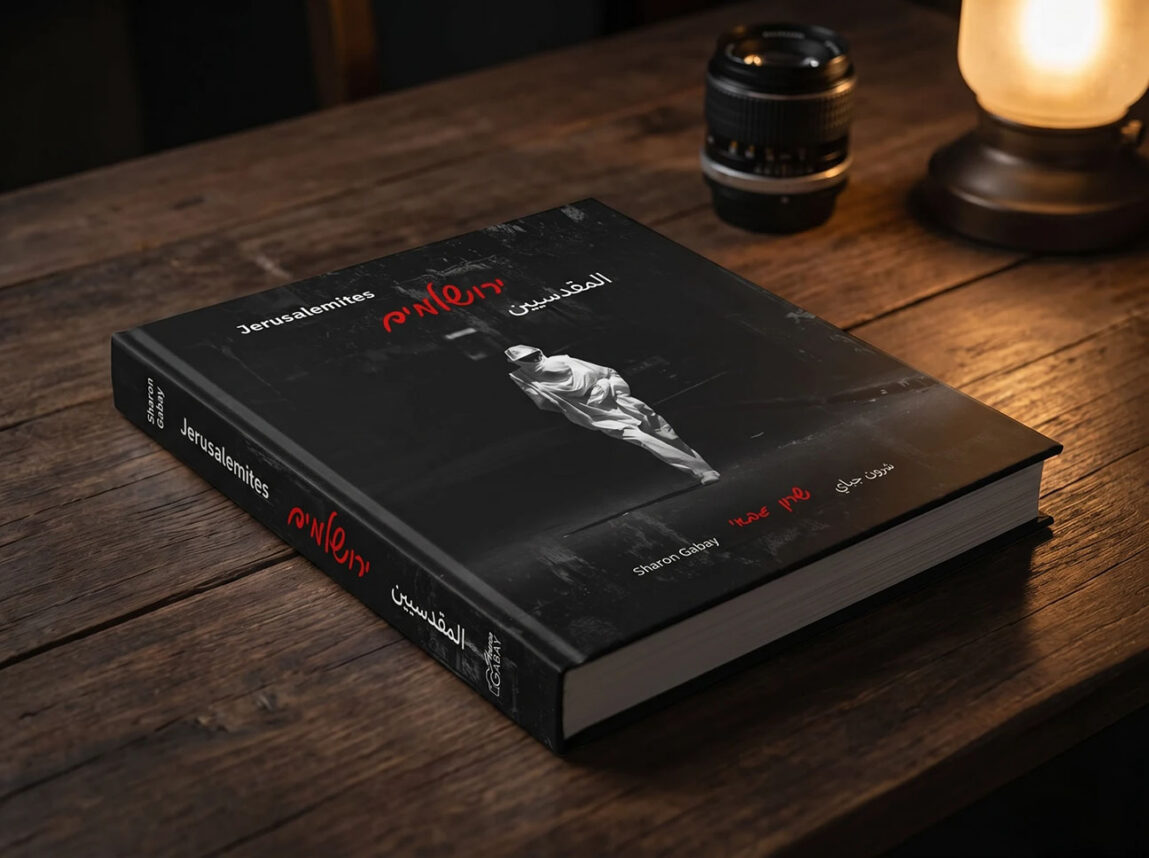
But his true passion is books – reading and studying them – and especially writing them. The author of over 40 books on Torah literature, his standout achievement is Zera Yisrael, the most important halakhic book on conversion in over 100 years.
A two-volume work of immense halakhic scholarship, Zera Yisrael – which means “From the Seed of Israel” – is Rabbi Amsellem’s brilliant contribution to help solve Israel’s ongoing conversion crisis. There are close to half a million Israelis living in Israel who are not recognized as having Jewish status. But they do have Jewish lineage – Zera Yisrael. Enter Rabbi Amsellem, who feels strongly that if something is not done to change their status to Jewish, then intermarriage and assimilation rates in Israel will be much higher – a paradox for a Jewish state.
Rabbi Amsellem spent years researching halakhic texts on conversion, both from Sephardi and Ashkenazi scholars. His motivation was finding a viable halakhic solution to this crisis. His extensive research found that one who is of Zera Yisrael – of Jewish lineage – has a different halakhic status than a complete non-Jew, and should therefore undergo a less demanding process of conversion.
Beyond the Zera Yisrael crisis in Israel, Rabbi Amsellem also helps converts all over the world enter the Jewish people. His halakhic research rules that even if the rabbinic court (Beit Din) knows the convert will lead a “traditional Jewish lifestyle” and not be “strictly observant,” this fulfills the halakhic requirement of “accepting the mitzvot” for conversion. His own Beit Din for conversion – Ahavat Ha-Ger (Loving the Convert) – includes several rabbis who follow his visionary path.
Undeterred by naysayers or politics, Rabbi Amsellem persists in his sacred work. By fulfilling the Torah’s commandment to “love the convert,” he is the shining example of a problem-solving halakhic scholar who loves and cares for his people.
For the sake of the Jewish future, more power to him.
Rabbi Daniel Bouskila is the director of the Sephardic Educational Center and the rabbi of the Westwood Village Synagogue.