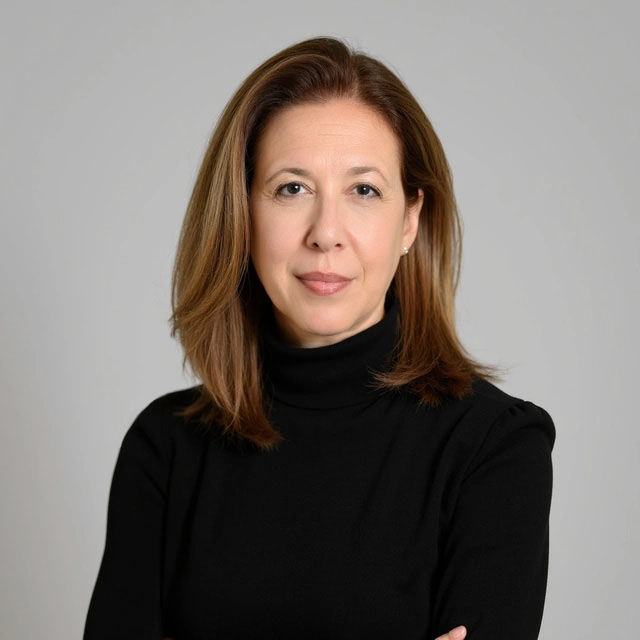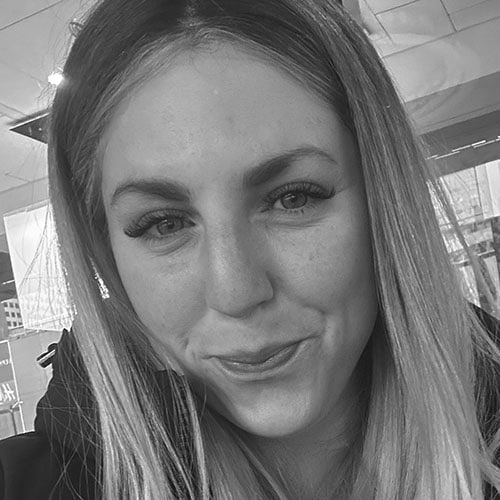

This past New Year’s Eve, I was with my husband, Daniel Lobell, in the living room of our good friend, talking with him about our struggles with Judaism. We were lonely and lost. It felt like I was hitting rock bottom with my spirituality.
I had become increasingly disenchanted with my Orthodox Judaism. I was sick of hearing criticism of the #MeToo movement at the Shabbat table. I was tired of seeing unabashed support of President Donald Trump.
I also felt very out of place in my community, because I had just turned 29 and couldn’t afford to have children yet, while many of my peers had at least two kids and a mortgage. I couldn’t see any future where we’d be able to afford a house or send our future kids to a Jewish school in Los Angeles.
It had been 2 1/2 years since my conversion through an Orthodox beit din. But before dipping into the mikveh and signing my conversion papers, I’d been living an Orthodox life for years. I’d gradually given up treif food, observed Shabbat, prayed frequently, learned at least once a week and moved into the religious community in Pico-Robertson. I was becoming more observant and it was easy; I had an end goal to look forward to.
Even though I already went to the mikveh, every day that I get up and decide to live another day as a committed Jew, I convert all over again.
After I dipped in the mikveh, and got married, I finally took a breather. For years, I had imposter syndrome, and for once, I could just “be Jewish.”
I kept the laws but ceased learning regularly. I began going to synagogue on Shabbat later and later and skipping it some weeks. Our best friends, with whom we had spent every Shabbat, moved to New Jersey. People’s lives were progressing all around us, and Daniel and I seemed stuck in the same place.
This all led to me breaking down at the end of last year. Not knowing where else to turn, we called our friend for advice. He listened patiently and said Orthodox Judaism is something that he has struggled with, too. We were so surprised. Daniel and I looked up to him and thought that he had it all together. But even he had challenges.
Our friend encouraged us to build our own community by going to different synagogues, seeing what we liked and appreciating each one for what it had to offer. He talked about how he learns regularly with a few inspiring rabbis around town. He invited us for a Shabbat lunch, introduced us to new people and took Daniel to a local minyan, where they had a spiritually uplifting experience.
Thanks to our friend, I realized that just because I was feeling low it didn’t mean I had to throw it all away. There were always solutions.
We started to visit different synagogues. We met more people, received invitations to meals and felt less alone. I started learning with a chavruta (study partner) and going to shul earlier.
I took on additional mitzvot and began to daven consistently. As for the political and cultural issues within Orthodoxy, I discovered a movement called Open Orthodoxy that has similar views to mine. Strengthening my spirituality has helped me have faith that Daniel and I will be able to make it in L.A.
Today, I am stronger in my Judaism than ever before. The more I learn, the more I want to learn. The earlier I go to shul, the more I want to attend. If I do more I feel connected, and want to only increase that connection.
Just like any Jewish person, I need constantly to take on more mitzvot, study and try to be better. And the politics and customs in my community shouldn’t discourage me, because it’s not about that. It’s about putting faith in HaShem and doing what is right and true to myself.
Even though I already went to the mikveh, every day that I get up and decide to live another day as a committed Jew, I convert all over again.