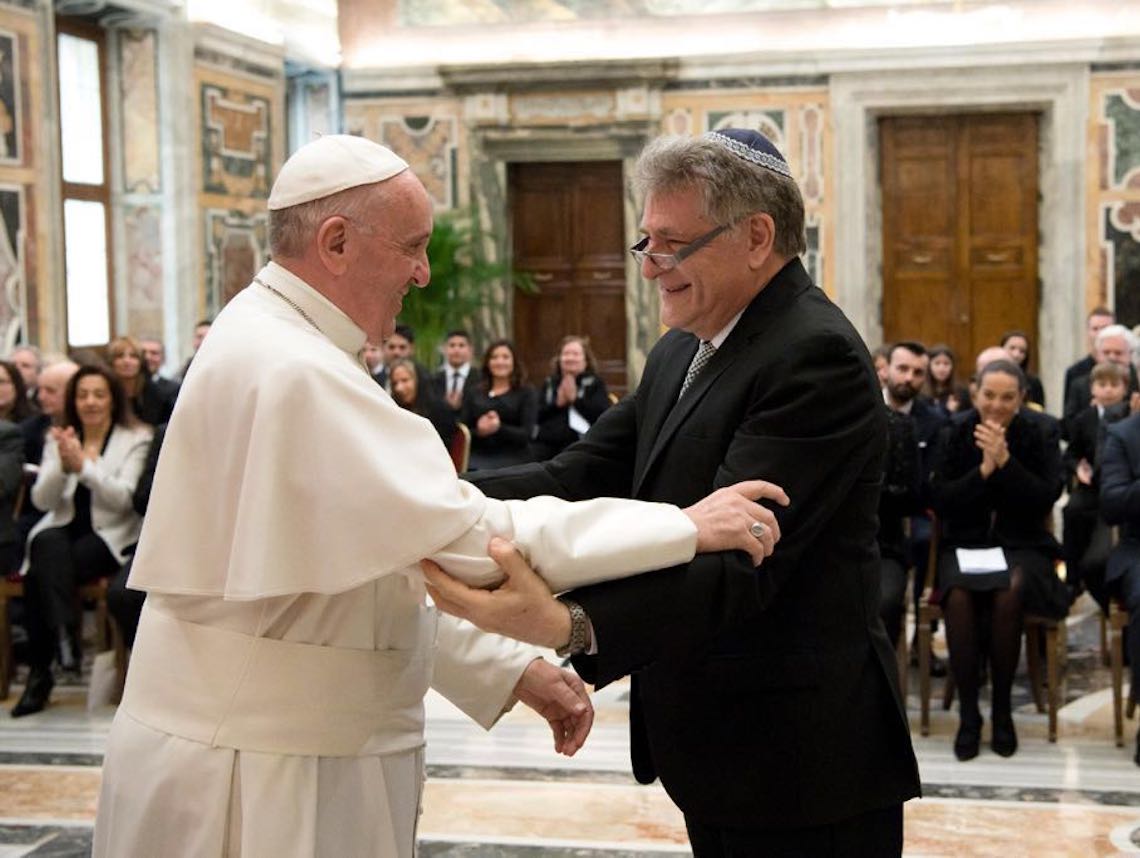
Pope Francis on Thursday received a newly published version of the Five Books of Moses during an event hosted by the Vatican, part of a campaign to engage people around the world into interfaith dialogue.
“The extensive introduction to the text and the editor’s note emphasize this dialogical approach and communicate a cultural vision of openness, mutual respect and peace that accords with the spiritual message of the Torah,” Francis said during the ceremony, according to Vatican Radio.
Those behind what is known as “The Torah Project” are Italian-Spanish publisher ACC Arte Scritta and Dan Tartakovsky, a Mexican-Jewish businessman, who oversaw the creation of the annotated and illustrated edition of the Five Books of Moses. It contains commentary in four languages — English, Spanish, Italian and German — and each copy includes a hand-written blessing by the pope.
Francis said the Torah presents “the paternal and visceral love of God, a love shown in words and concrete gestures,” according to Vatican Radio. The book he received is the first copy of 126 editions that will be shipped to museums and universities around the world, according to a press release.
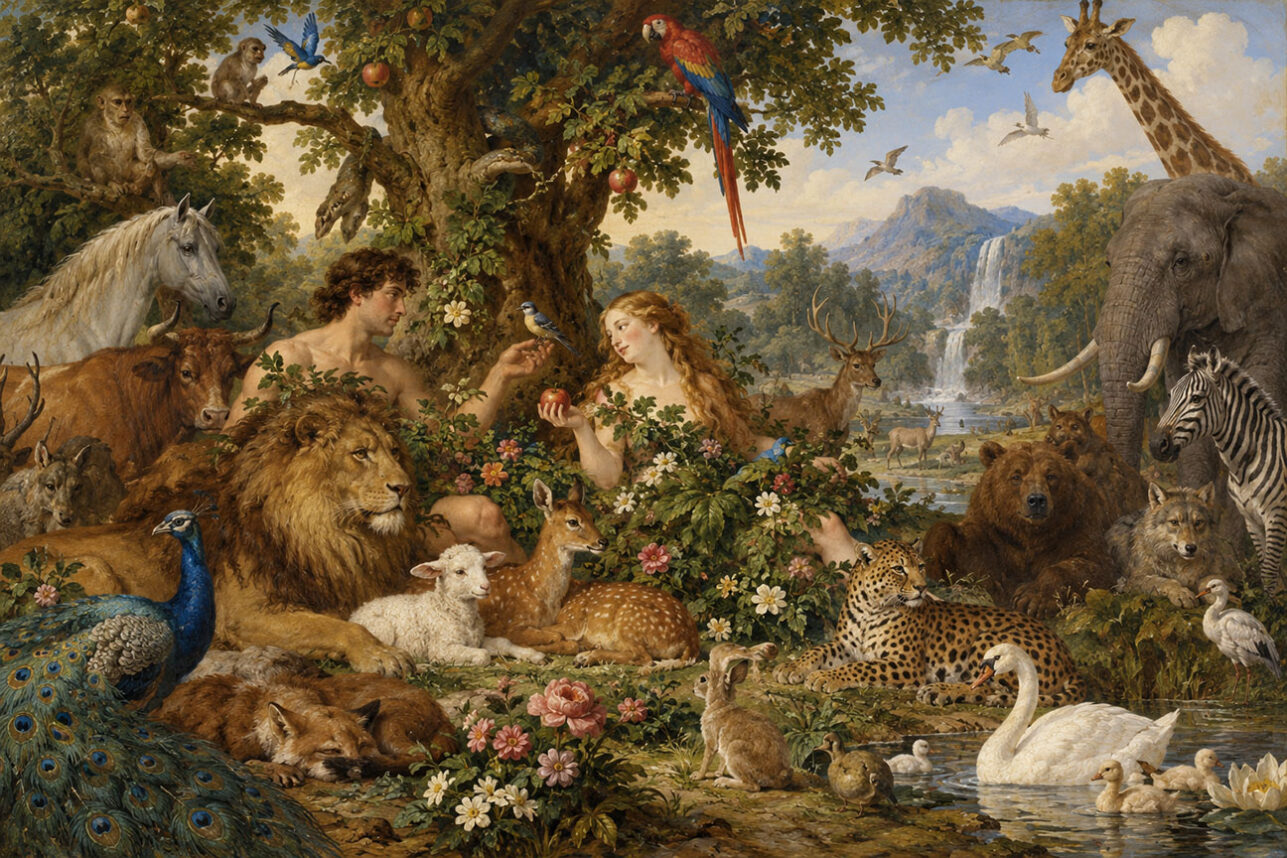
The cover of the Chumash, which features the city of Jerusalem, is made out of wood and pearls. The text is accompanied by 27 lithographs created by Baruj Salinas, a Cuban-born American artist. The piece will be added to the Vatican’s art collection, according to the press release.
Among the guests at the ceremony Thursday were an Argentine-based biophysicist Rabbi Abraham Skorka and Adolfo D. Roitman, a curator of the Shrine of the Book, which houses the Dead Sea Scroll collection at the Israel Museum in Jerusalem.
The Torah Project started at a book fair in Mexico in 2013 when Tartakovsky met Ricardo De La Fuente and Maria Cecilia Braschi, the founders of ACC Arte Scritta, who connected over their passion for artisan art and traditional craftsmen. Back then, the trio came up with an idea of creating a Torah project that would feature creative and inspirational artworks.
“Both art and religion provide emotional, spiritual and aesthetic resources which enable us to connect with the divine and generate thought-provoking realisations,” The Torah Project’s website states (torah-project.com). “It is hoped that this Jewish book will not only motivate people and strengthen their faith, but also enable them to reflect on interfaith dialogue, its problems and the ways to overcome them.”