fbpx

Sides dispute cause of Palestinian mosque fire

The cause of a fire that heavily damaged a mosque in a Palestinian village near Nablus is under dispute.
[additional-authors]
May 4, 2010

The cause of a fire that heavily damaged a mosque in a Palestinian village near Nablus is under dispute.

Israeli officials say the fire early Tuesday morning at the mosque in Luban al-Sharqiya was due to an electrical short, while Palestinian officials are blaming it on settlers. Muslim holy books were burned in the blaze.

Israeli security forces on Tuesday said it was an electrical short after originally blaming the fire on “price tag” reprisal by settlers against the 10-month building freeze in Jewish West Bank communities. No graffiti or signs of vandalism were found at the site, according to reports.

Palestinian leaders have rejected the finding of an electrical problem, placing the blame on area settlers. Village residents heard a vehicle near the mosque at 3 a.m. Tuesday, Ynet reported. The fact that a stack of Korans was also burned is further proof, Palestinian sources told Ynet.

“The IDF rushed to blame settlers for setting the mosque ablaze, but from the investigation currently taking place, no signs of arson have been found, certainly not by settlers,” read a statement from Binyamin Regional Council. “This constitutes slander and defamation of an entire community that requires an immediate apology.”

Last month, graffiti was spray-painted on a mosque in a village near Nablus and three Palestinian vehicles were set on fire. In a second Nablus-area village, two Palestinian vehicles were torched and the words “price tag” and a Star of David were spray-painted on a village building. In December, a mosque was torched in the Yasuf village and the words “price tag” sprayed on the wall.

Meanwhile, three synagogues in Jerusalem have been set on fire in the past week. The fires appear to be deliberately set, according to reports.


Did you enjoy this article?
You'll love our roundtable.

Editor's Picks

Latest Articles

Who’s Really the Victim?

Those who would revel in Israel’s demise are claiming victimhood on every front and denying attacks on us in the same breath.

Biblical Deterrence

After Oct. 7, the sentiment in Israel toward the Iranian leadership was unequivocal: You went medieval — so we will go biblical.

How Sukkot Makes Us Whole

This year, I bless us that we open our eyes to truly see the beauty and the holiness of the world, and of the person before us at each and every moment, and to see the godliness of their aspirations and their fears.

The New Ushpizot

Ushpizin invite us to “welcome in our ancestral constellation and dwell amongst them.” This year, it’s Ushpizot, for the women. It’s the year of the Feminist Visitation.

Macklemore, Or Less

In between his songs, he proclaimed, “Free Palestine,” which is fine, asserted that opposing Israeli military actions is not antisemitic, which is accurate, and accused Israel of apartheid and genocide, which is offensive, untrue and hateful.

The Rokeach’s Remarkable Sukkah

To Rabbi Eleazar ben Judah of Worms (1176-1238), the medieval German pietist known as the Rokeach, the sukkah symbolized Jewish military might.

The Sukkah and the Power of Endurance

They can destroy our Temples, demonize us in social media, shower us with hate, but they can’t destroy a spirit that never stops building. That enduring spirit is the power of the sukkah.

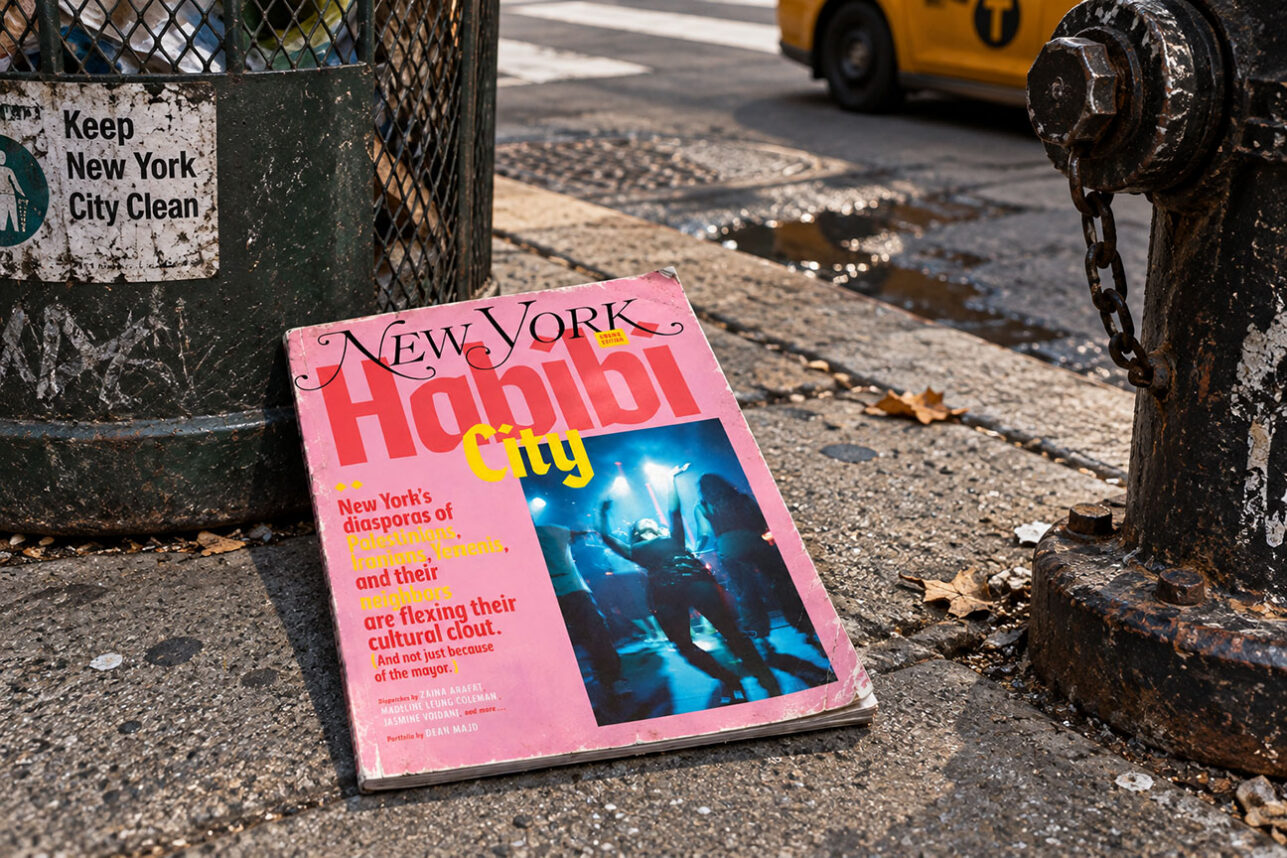
NY Mag’s Habibi City

A satirical response to Zaina Arafat’s erasure of Jews in her New York Magazine article “Habibi City,” written as Zaina Arafat.

The ‘Fauda’ Enigma

In many of the nations that believe Israel has no right to exist and routinely root for terrorists to slaughter Jews, a TV show that depicts Israeli covert operatives outsmarting and dispatching Arabs has an inexplicably loyal global audience.

Jewish Democrats Cave to Anti-Semites

Those of us who are not of the Democrat politic party have believed that the Democrats have done little to stop the disease of Jew hatred from infiltrating their party.

More news and opinions than at a Shabbat dinner, right in your inbox.