The US
Headline: Turkey leader to press Obama for greater U.S. role on Syria
To Read: Aaron David Miller criticizes the incessant demands for Obama to 'demonstrate his leadership' in the Middle East-
We have a ridiculously cardboard — even cartoonish — view of leadership. The great leader acts, wills this or that his or her way, and everything else falls into place.
Wrong. It's always been the crisis — whether it's Anwar Sadat's visit to Jerusalem or Saddam Hussein's invasion of Kuwait — that sets the stage for smart and determined leaders to act.
The Middle East has plenty of crises. But these are slow, complex bleeds — historic conflicts not ready for resolution, nation-building enterprises among ethnic and sectarian groups too busy trying to get a leg up on their rivals to worry about reaching truly national solutions. Indeed, the Middle East today offers up only varying degrees of risk and traps, none of which are material for presidential glory and dramatic action.
Quote: “It's inexcusable and Americans are right to be angry about it and I am angry about it”, President Obama condemning the alleged IRS misconduct.
Number: 44, the percentage of Americans who are following the Benghazi hearings closely.
Israel
Headline: OECD report: Israel the member with highest poverty rate
To Read: Jonathan Spyer examines Israel's options in the Syrian conflict-
Ultimately, Israeli policy on Syria derives from the familiar combination of limited political/diplomatic possibilities and military superiority. The deep-rooted rejection of the legitimacy of Israel’s existence is common to both sides of the Syrian civil war and is ubiquitous in the Arabic-speaking world and among the Iranian leadership. This rejection shapes and limits Israel’s options as an actor on the regional stage. Even with the leading Sunni states opposed to Iran, interaction and cooperation are necessarily covert and limited—and the growth of Sunni political Islam as a result of the “Arab spring” has only exacerbated this reality.
In such circumstances, Israeli options are reduced to the basic need to ensure the security of its citizens and deter enemies. It appears that Moshe Dayan’s famous dictum that “Israel has no foreign policy, only a defense policy” continues to hold, at least in Israel’s immediate neighborhood.
Quote: “The Israeli side raised the issue of the S-300 missiles once again, and we presented our stance on the matter. They are familiar with it and have heard it once again”' Kremlin Spokesman Dmitry Peskov reporting about Netanyahu's meeting with Putin.
Number: 75, the number of people injured in the West Bank during Nakba-day demonstrations.
The Middle East
Headline: Islamist rebels execute 11 Syrian soldiers for 'massacres'
To Read: Fouad Ajami takes a look at the disparity between Erdogan's position on Syria and Obama's-
The regime change in Syria that Turkey is committed to is not Washington’s program. Two secretaries of state, first Hillary Clinton, then John Kerry, have petitioned Russia to abandon Assad. At the core of Obama’s Syria policy is an unstated commitment to a negotiated settlement between the Alawite regime and the Sunni rebellion. The Turks know there can be no middle ground between the two.
The Turkish leader who will meet Obama this week is politically weakened; the Arabs he bet on appear in no need of a new Ottoman sultanate. And the American leader he will sit down with has shown a disturbing ability to avert his gaze from the pain and the ordeal of Syria — and from Turkey’s stakes in that conflict.
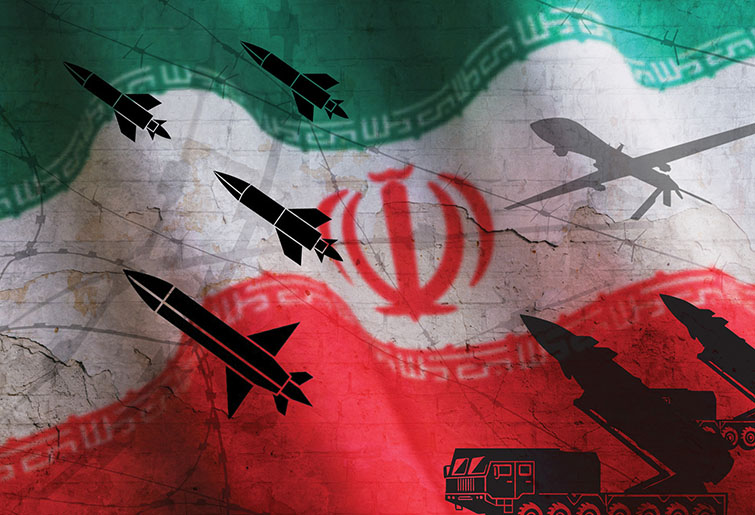
Quote: “We are ready to continue our talks with the (six powers) whenever they are ready, before or after the presidential election in Iran… Talks will take place soon”, chief Iranian nuclear negotiator Saeed Jallili, declaring that Iran is ready for nuclear talks.
Number: 4, the number of hours a KFC delivery to Gaza usually takes.
The Jewish World
Headline: 'Robinson's Arch construction plans must be held'
To Read: Rabbi Michael Bernstein writes about the special role of the Torah's x-rated sections-
The Torah, as award winning educator Barbara Rosenblit has said, is not really a story for kids. Many sections of the Torah are at least PG-13, if not R or even MA. The erotic intrigue between Tamar and her father-in-law Judah, the laws in Leviticus detailing the impurity of bodily fluids, and the swift justice meted out to an Israelite Prince getting busy with a Midianite princess in public all lurk in the pages of the Torah portions read each week.
But those stories, while complicated and open to various interpretation, regard sex and sexuality as part of a bigger picture including societal status, power dynamics, fidelity and purity.
Quote: “The British Academy need to be able to ascertain how exactly its partners are spending their funding donations. The government should not be directly or indirectly funding the BDS movement and I hope that after further investigation this will come to an end”, British MP, Pauline Latham, about a British backed Jerusalem based institute slammed for hosting a BDS event.
Number: 2,500, the number of Jews who were saved by Irena Sendler, a Polish woman who was recently honored by Polish officials.