
I grew up worshipping The New York Times. To this day, I live on the paper’s home page. Only lately, as much as I still enjoy much of its cultural reporting, my jaw drops when I see the homogeneity of opinion.
Virtually every op-ed and regular columnist goes in the same narrow, progressive direction. The net effect is mind-numbing. You could strongly agree with every opinion and still feel the dullness.
When it comes to diversity of thought, The Times has become all the boredom that’s fit to print.
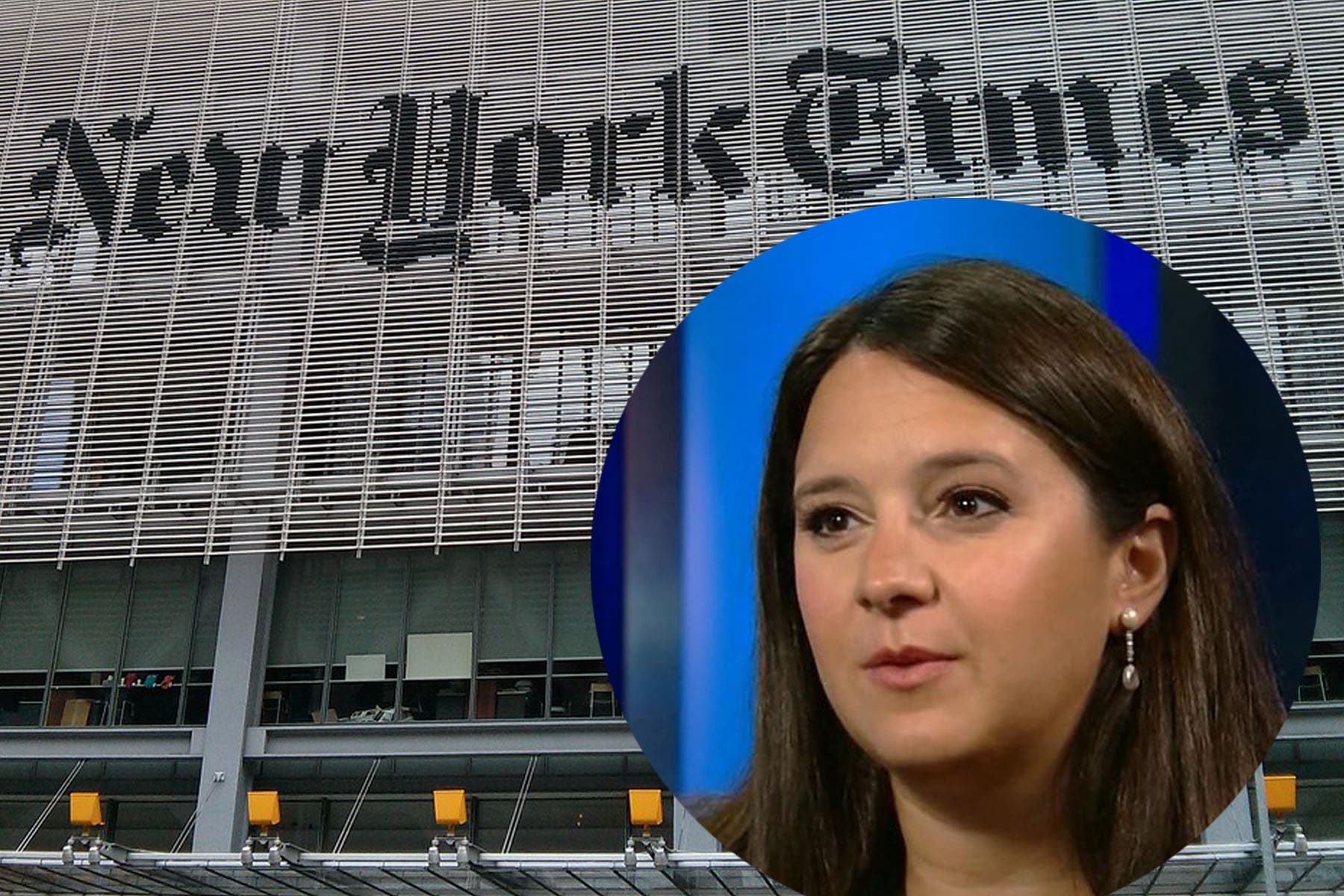
That’s why it was fascinating to read Bari Weiss’ letter of resignation today from The Times. It made me realize I wasn’t delusional.
“The lessons that ought to have followed the election — lessons about the importance of understanding other Americans, the necessity of resisting tribalism, and the centrality of the free exchange of ideas to a democratic society — have not been learned,” she wrote. “Instead, a new consensus has emerged in the press, but perhaps especially at this paper: that truth isn’t a process of collective discovery, but an orthodoxy already known to an enlightened few whose job is to inform everyone else.”
Weiss was brought in three years ago to help fix that, to bring in voices, she says, “that would not otherwise appear in your pages: first-time writers, centrists, conservatives and others who would not naturally think of The Times as their home.”
To her credit, she brought in many of those voices. She listed some of them: “The Venezuelan dissident Wuilly Arteaga; the Iranian chess champion Dorsa Derakhshani; and the Hong Kong Christian democrat Derek Lam. Also: Ayaan Hirsi Ali, Masih Alinejad, Zaina Arafat, Elna Baker, Rachael Denhollander, Matti Friedman, Nick Gillespie, Heather Heying, Randall Kennedy, Julius Krein, Monica Lewinsky, Glenn Loury, Jesse Singal, Ali Soufan, Chloe Valdary, Thomas Chatterton Williams, Wesley Yang, and many others.”
Maybe in the age of Twitter mobs, groupthink and political ultra-correctness, it was too good to last.
“Twitter is not on the masthead of The New York Times. But Twitter has become its ultimate editor,” she wrote. “As the ethics and mores of that platform have become those of the paper, the paper itself has increasingly become a kind of performance space. Stories are chosen and told in a way to satisfy the narrowest of audiences, rather than to allow a curious public to read about the world and then draw their own conclusions.”
This is not the assessment of an outsider. This is the candid take of a person who’s been in the weeds of the story.
It’s clear from the resignation letter that the very phenomenon Weiss describes made it exceedingly difficult for her to stick around. She writes:
“My own forays into Wrongthink have made me the subject of constant bullying by colleagues who disagree with my views. They have called me a Nazi and a racist; I have learned to brush off comments about how I’m ‘writing about the Jews again.’ Several colleagues perceived to be friendly with me were badgered by coworkers. My work and my character are openly demeaned on company-wide Slack channels where masthead editors regularly weigh in. There, some coworkers insist I need to be rooted out if this company is to be a truly ‘inclusive’ one, while others post ax emojis next to my name. Still other New York Times employees publicly smear me as a liar and a bigot on Twitter with no fear that harassing me will be met with appropriate action. They never are.”
Instead of rushing to take sides and pouring more oil on this journalistic bonfire, it’s worth taking a step back and reflecting on the very value of press freedom.
I hope Weiss’ candor and cry from the heart will lead to an honest discussion of ideological diversity in journalism.
When it comes to ethnicity, race and gender, we have elevated values like “diversity” and “inclusion,” which I applaud. But what about diversity and inclusion for views and opinions we may not agree with?
Why does diversity seem to hit a full stop at ideology? It’s one thing to see groupthink at a political action committee, but at a major newspaper?
Here’s the ultimate irony: If The Times does an honest assessment of its viewpoint diversity in the wake of Weiss’ letter, they’ll probably conclude they need to hire someone just like her.
































