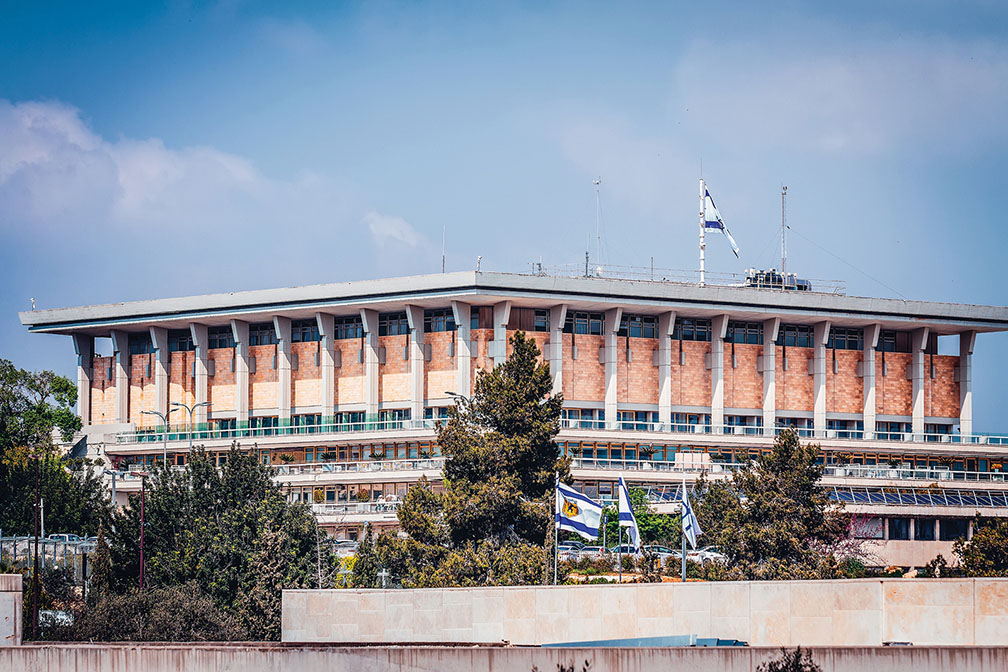
Ray Mallel is passionate about connecting Sephardic Jews with Sephardic culture. The 82-year-old is the co-founder of the Sephardic Educational Center (SEC), leads operations of the SEC board in Los Angeles and serves as vice president of the Israeli-based SEC nonprofit. Headquartered in Jerusalem and with branches in the United States, SEC offers Diaspora rabbis and young people the opportunity to experience educational programs in Israel and enjoy local learning events.
“Sephardic culture is Jewish culture,” Mallel said in a phone interview from Israel, which he visits two or three times a year. “If we’re going to be this beautiful coat of colors, we have to have our own identity because we have differences amongst ourselves.”
Mallel also is a supporter of the Israeli organization Mashev L’kol Yeled (Computers for Every Child). Established in 1996, Mashev attempts to close Israel’s digital divide by distributing computers to disadvantaged families from all sectors of Israeli society, including the ultra-Orthodox, Bedouins, Druze, Arabs and new immigrants.
To date, more than 74,000 computer kits have been delivered to 360,000 children and parents, according to the website of the Israeli Prime Minister’s Office, one of the project’s funders. Serving as the chairman of the recently launched U.S.-based fundraising arm of Mashev, Mallel has raised nearly $1 million for the effort.
“The fire department said they were grateful for our firefighting ability. I was grateful she called.”
Mallel speaks fluent Ladino and traces his family’s history to Spain and to the nascent State of Israel. During the fledgling days of the Jewish state, the Turkish military hung Mallel’s uncle from a scaffold at the Jaffa gate in the Old City. A photo of his execution appeared in the Palestine Post, the precursor to the Jerusalem Post.
Mallel’s father was born 120 years ago in the Old City of Jerusalem and came to the United States at age 16, finding work in concessions in the cabaret business. Mallel was raised in a predominately Sephardic Brooklyn neighborhood. The family went on welfare after Mallel’s father was diagnosed with Parkinson’s disease and had to stop working. “It was not easy to be in a Jewish neighborhood and be on welfare,” Mallel said.
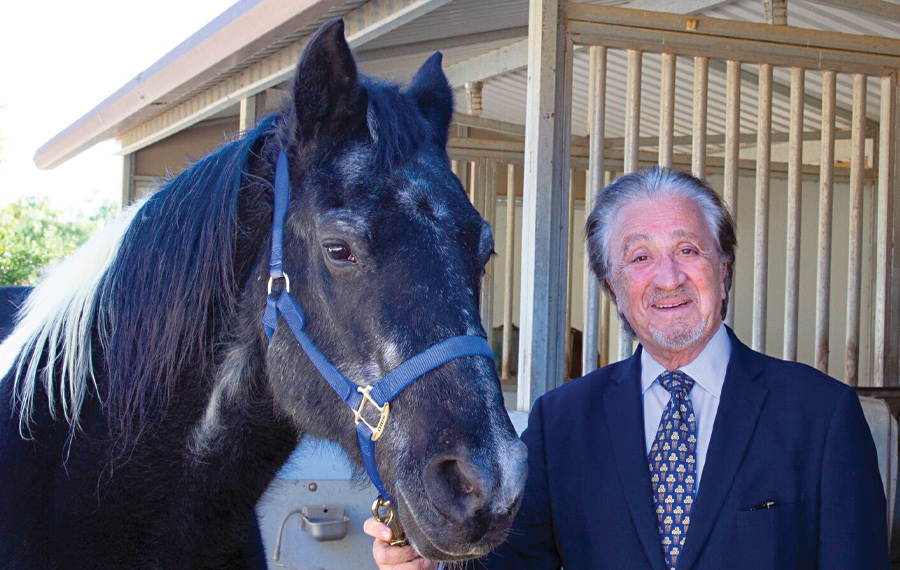
Mallel moved to Los Angeles in 1972 to work in the clothing business before joining the banking industry. Today, the father and grandfather of two, Mallel lives on a sprawling property in Agoura Hills that was threatened during the recent Woolsey fire. As the flames reached within 300 yards of his home, Mallel packed up his dogs, loaded his horses in a trailer and evacuated.
He spends his rare free time traveling, enjoying good food and reading The Wall Street Journal cover to cover, preferring the print edition to the digital version, saying, “I’m old school.”
But most of his day is devoted to assisting fellow Jews. “It is the responsibility of the Jewish people to help other Jews,” he said. “That’s our mantra. That’s what we believe in.”
Read more about our 2019 mensches here.