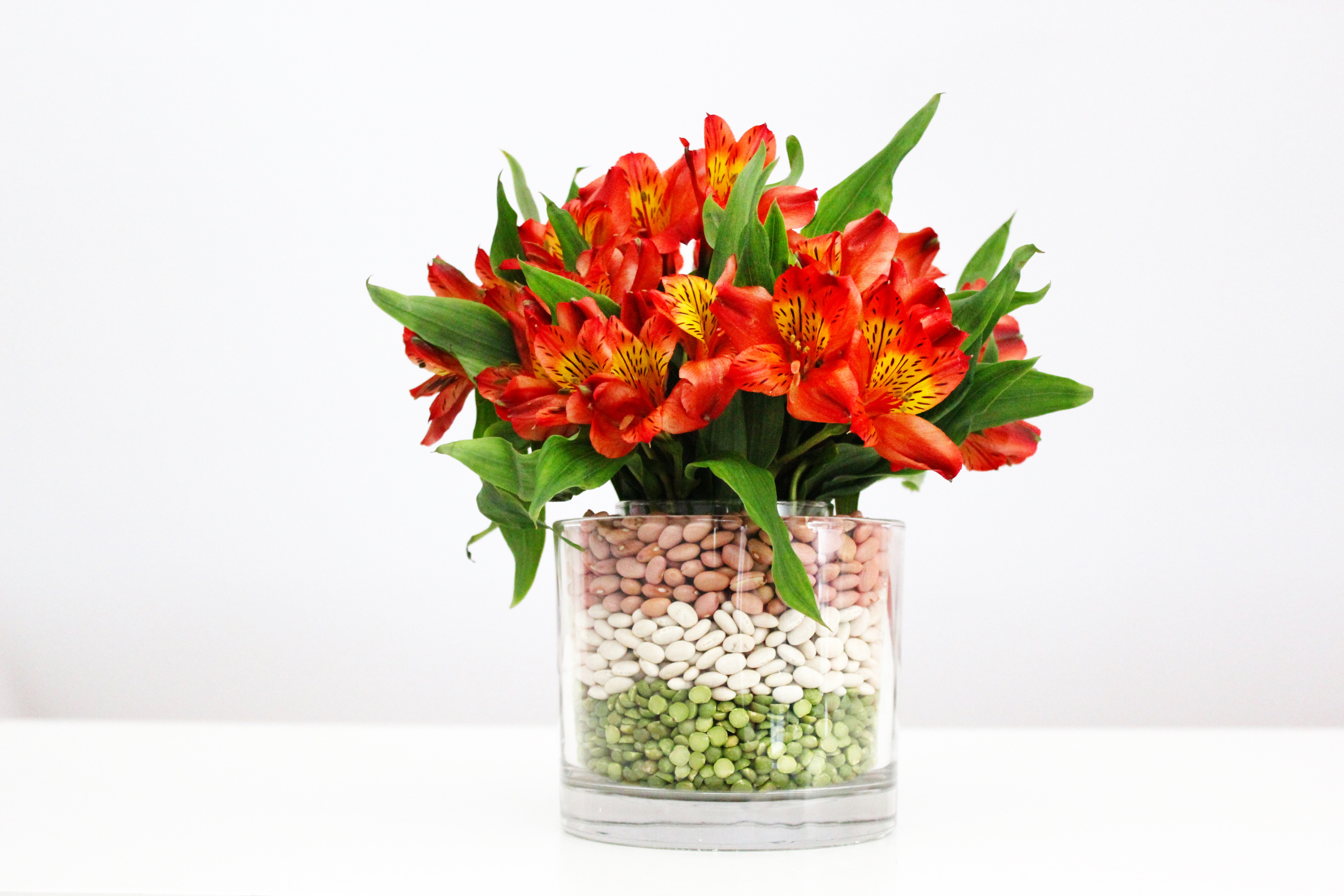
Legumes, including beans, peas and lentils, have a storied association with Jewish history. In the “Encyclopedia of Jewish Food,” historian and food writer Gil Marks notes that “the longstanding significance of beans to Sephardim may be seen from their Spanish name, judia.” He even adds that “purportedly, the favorite food of the Baal Shem Tov, Israel ben Eliezer, founder of the Chasidism, was black bean soup.” In appreciation of their history in Jewish food, I decided to create a floral arrangement featuring a legume-filled vase.
By using a vase-in-vase technique, we’re able to fill the space between the two vases with legumes of different colors, creating a lovely foundation to add flowers. They actually look like pebbles. I layered split peas, white northern beans and pink beans (that’s actually what they’re called), but you can also use any legumes that strike your fancy. These vases are perfect for fall because of the legume’s natural colors, which lend a rustic, homey feel to your décor.
What You’ll Need:
Large vase
Small vase or drinking glass
Legumes
Flowers
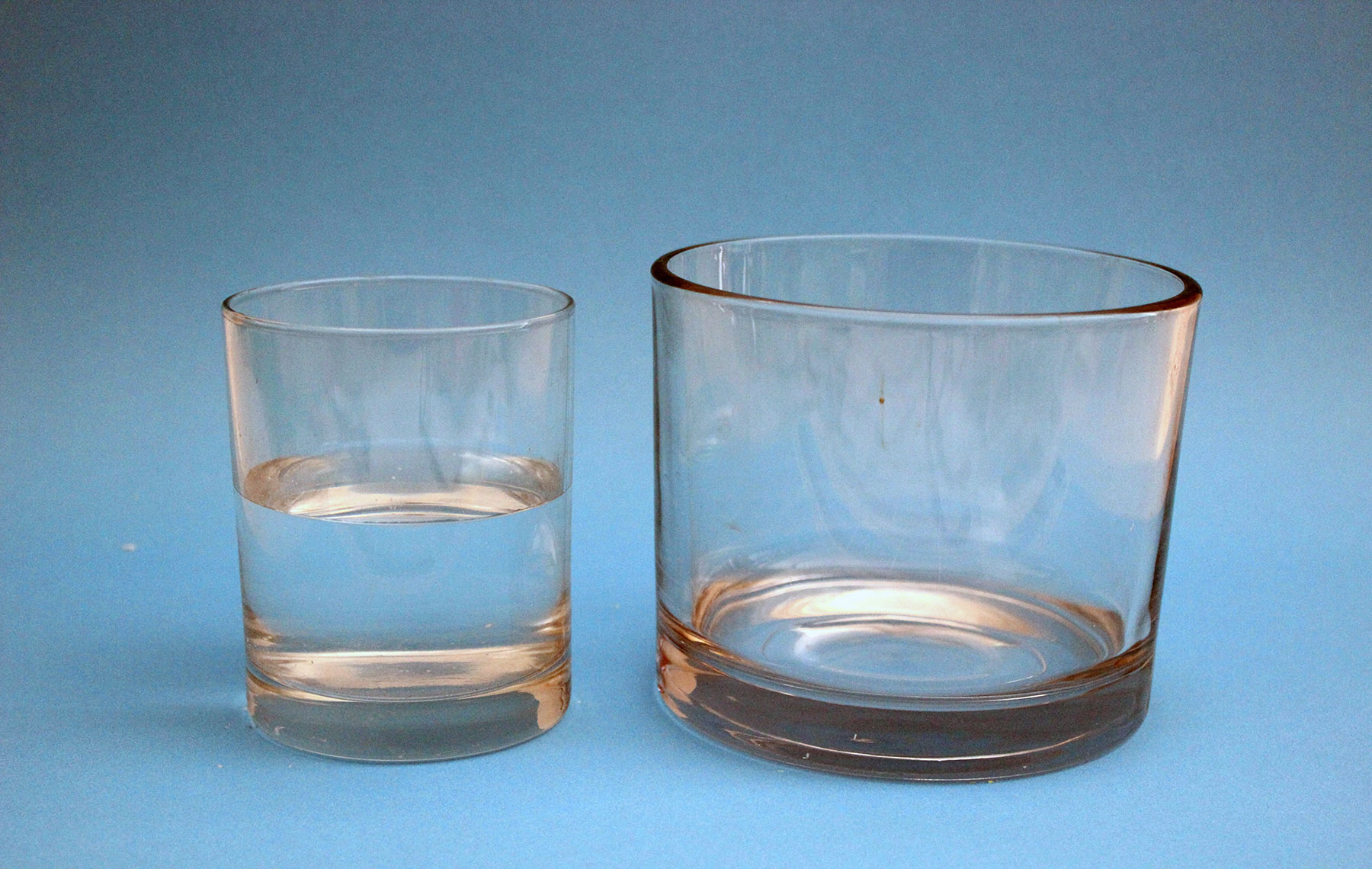
1. To create the vase-in-vase arrangement, gather two vases — one of a large diameter and one of a smaller diameter. A short drinking glass can work as the smaller vase. Fill the small vase half way with water.

2. Place the small vase inside the larger one. The rim of the smaller vase should not extend too far above the larger one.
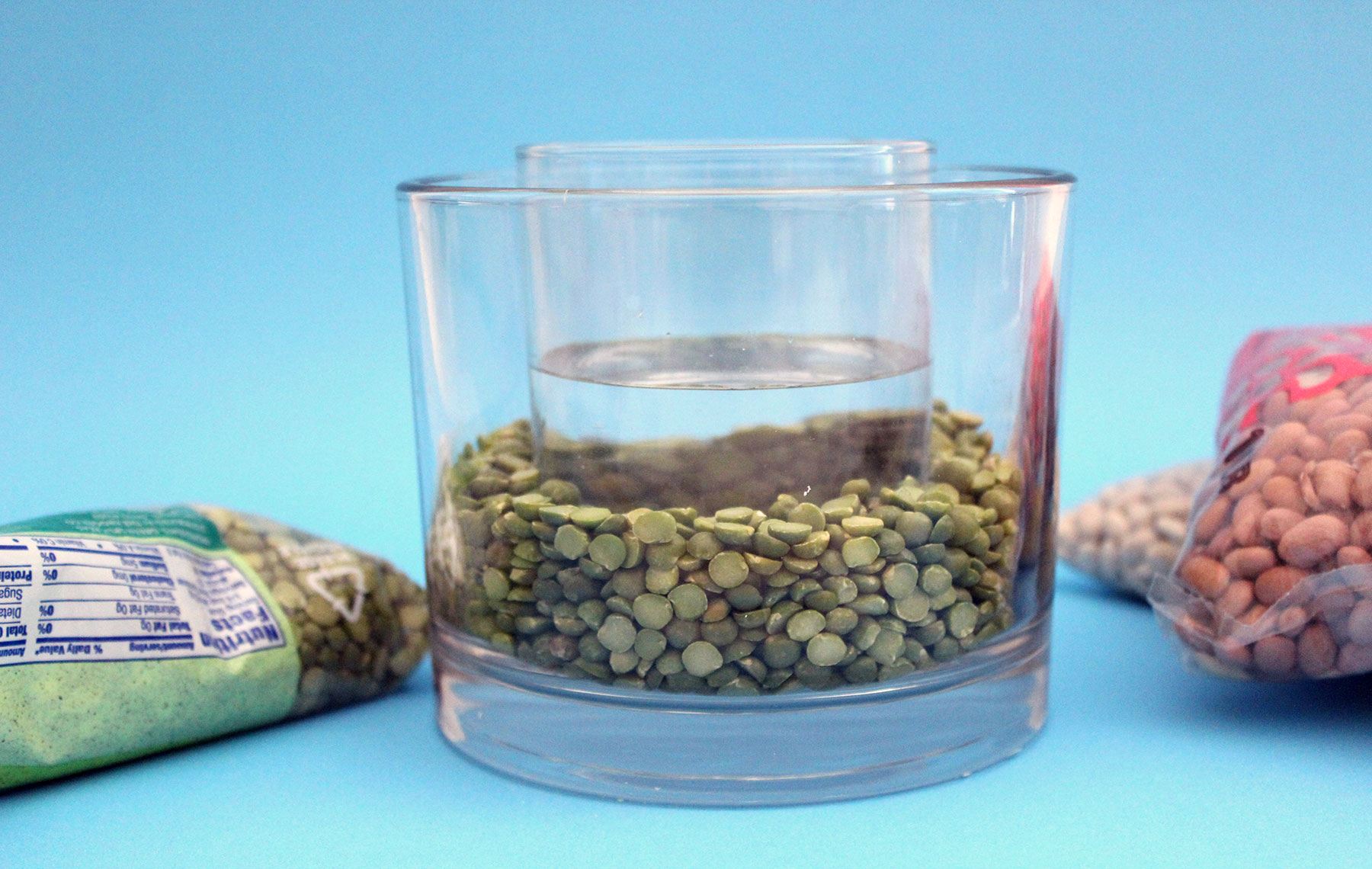
3. In the gap between the vases, place your first layer of legumes. My bottom layer was green split peas.
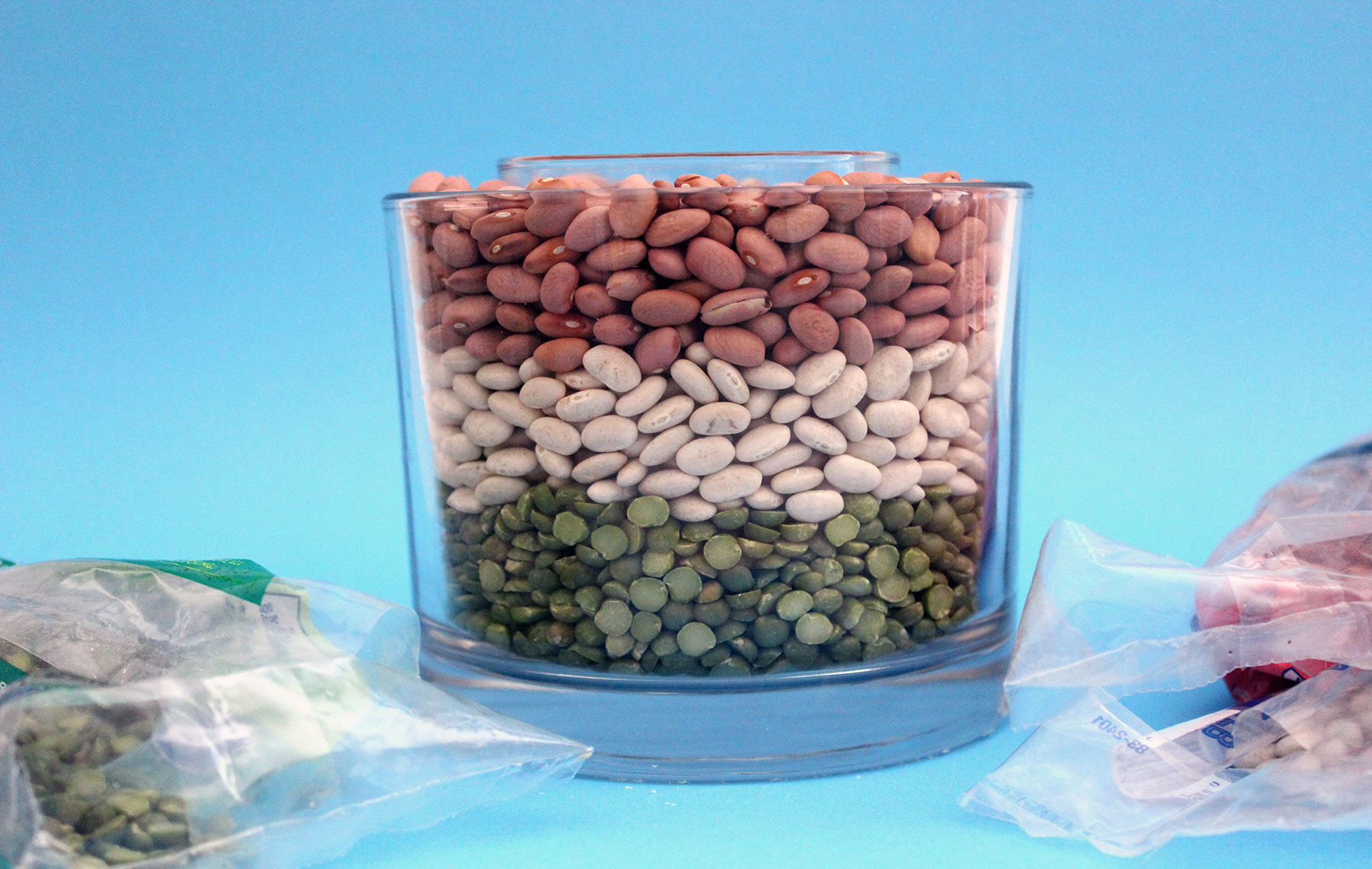 4. Continue adding layers of legumes until they reach the rim of the vases. It’s perfectly fine to only use one element instead of several. It just depends on what you have on hand. Then place cut flowers in the inner vase to complete the arrangement.
Jonathan Fong is the author of “Flowers That Wow” and “Parties That Wow,” and host of “Style With a Smile” on YouTube. You can see more of his do-it-yourself projects at jonathanfongstyle.com.